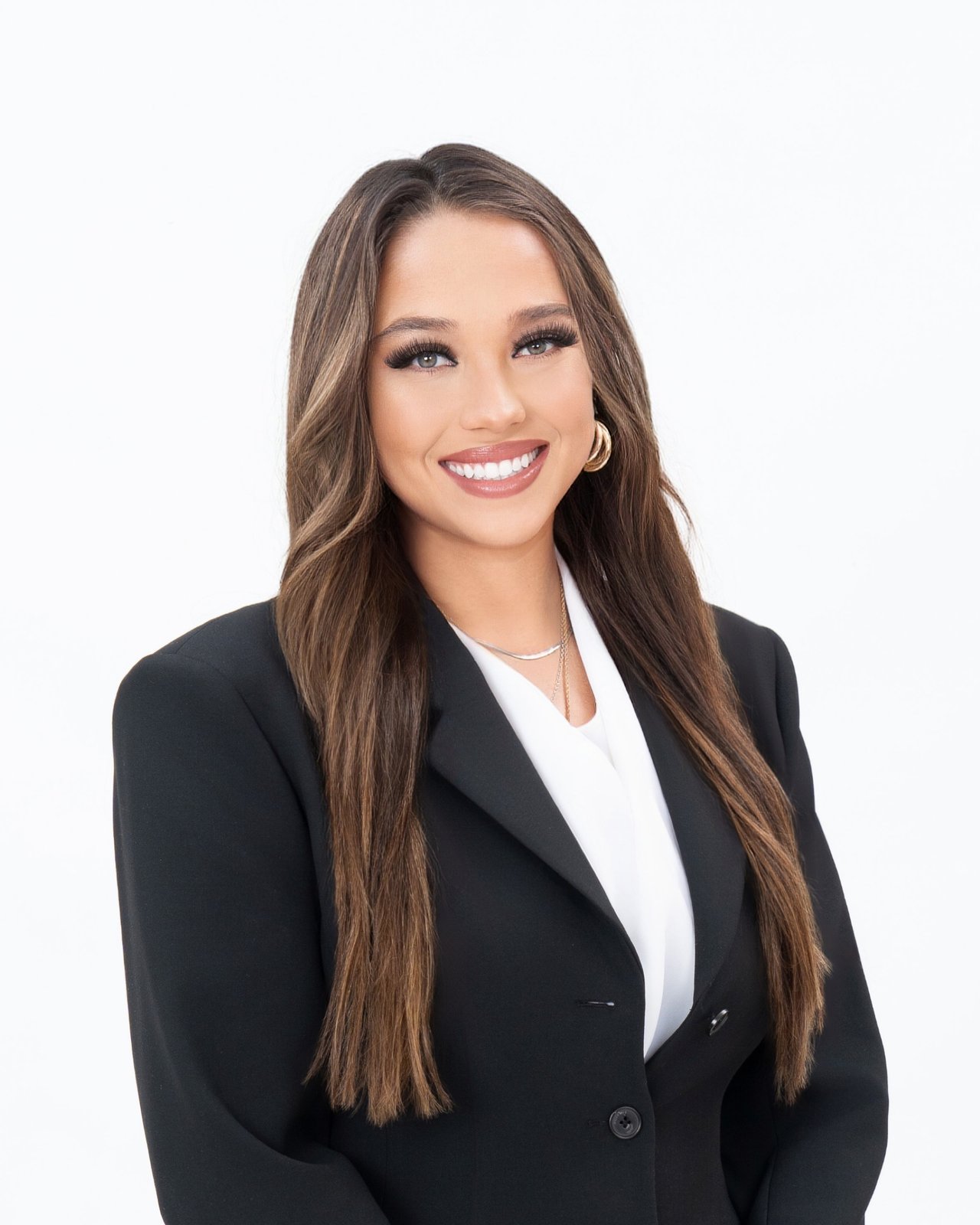
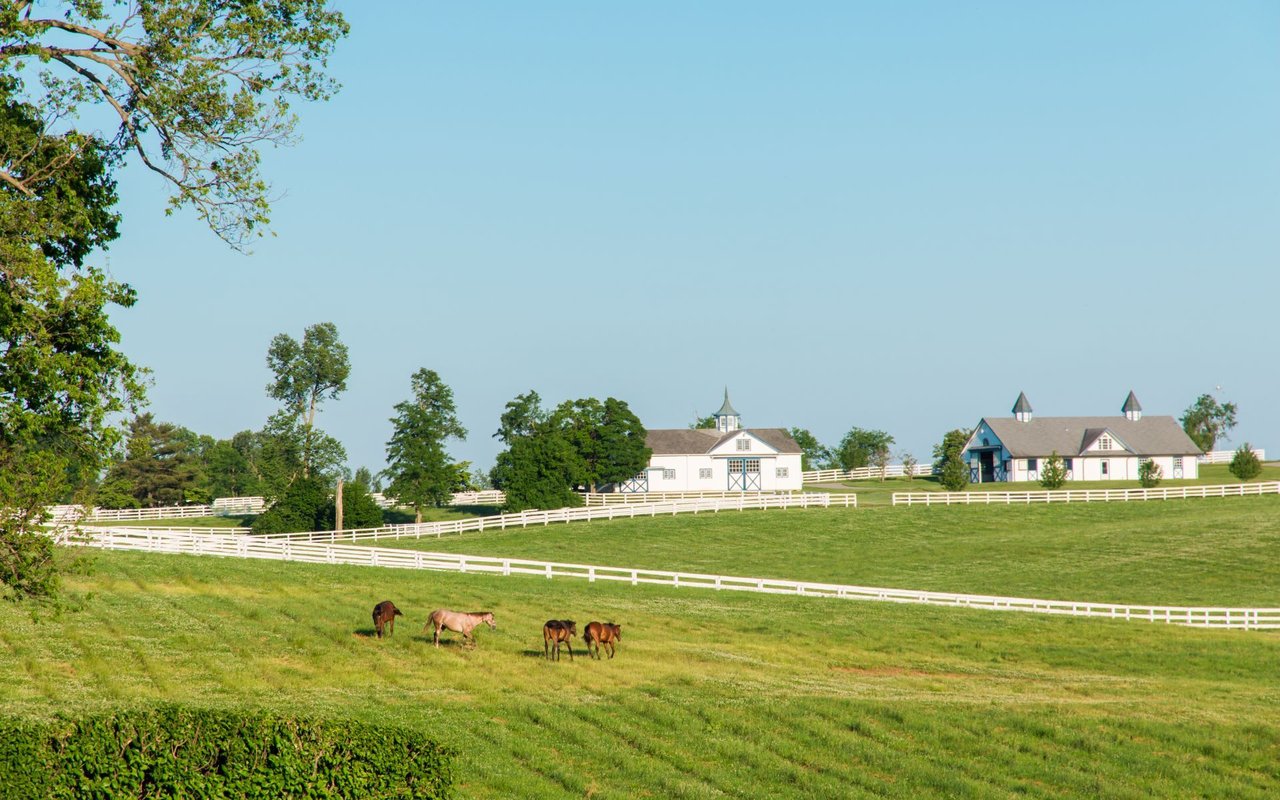
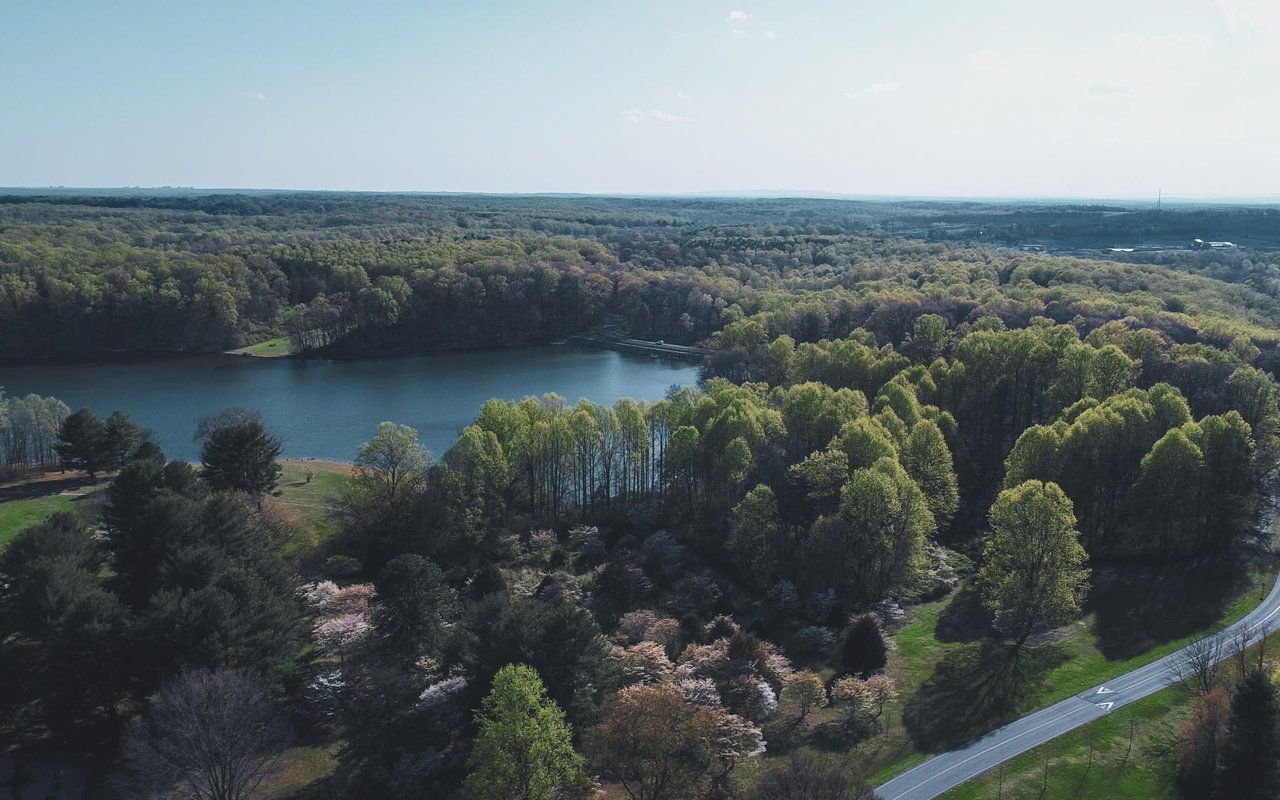
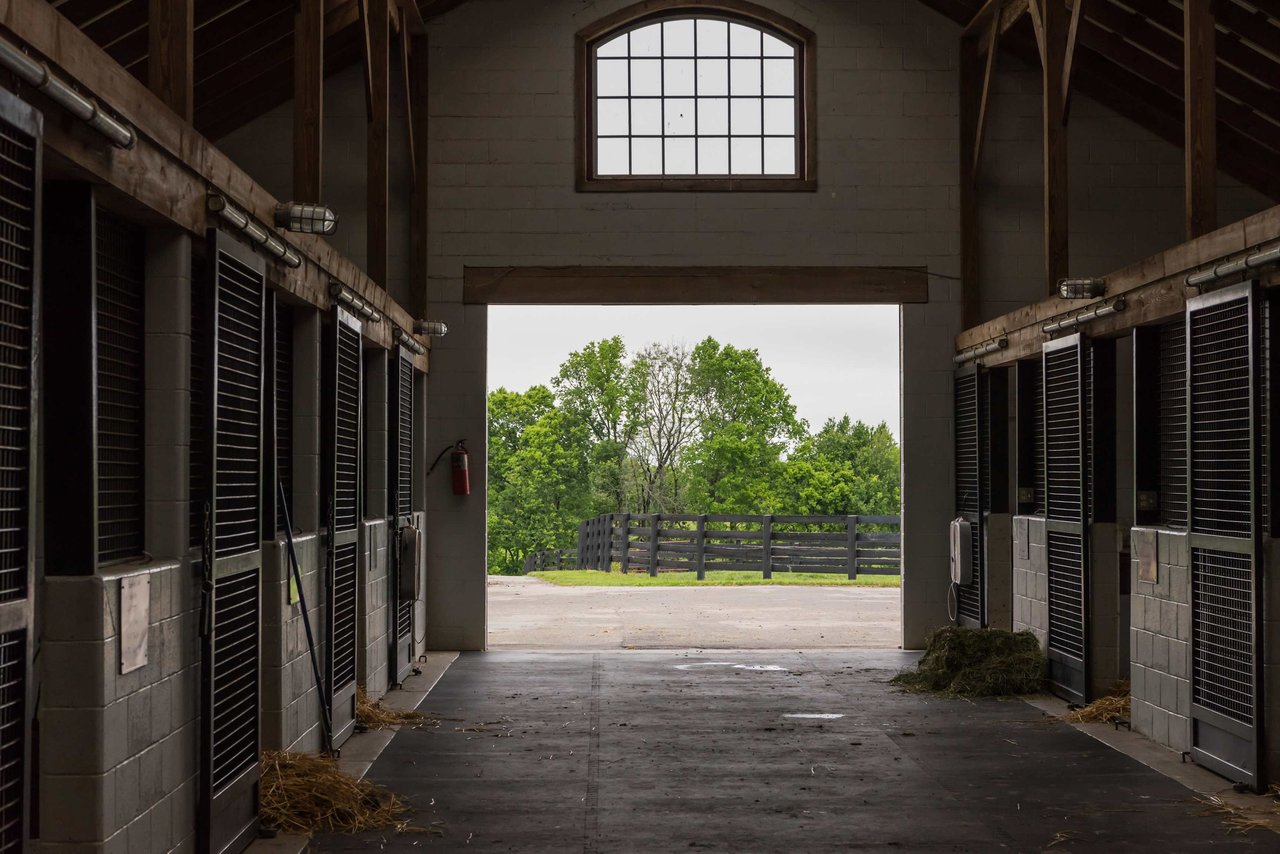
As a Certified Equestrian Property Specialist and Global Equestrian Advisor with E&V Land and Ranch, Lisa Bricker works with buyers and sellers across Upper Golf Coast Texas
The Upper Gulf Coast is unlike any other Texas equestrian market. Thirteen counties surrounding Houston — from the piney fringe of Walker County in the north to the coastal prairie of Matagorda County in the southwest, from the Brazos River bottomlands of Fort Bend and Austin counties to the pine-and-pasture transitional zone of Liberty County in the east — form a region defined by one overwhelming fact: it sits next to the largest city in Texas.
Houston's 7-plus million residents generate a buyer pool for horse properties that no other Texas region can match. The equestrian community here is enormous — the Houston Livestock Show and Rodeo is the world's largest, barrel racing and rodeo culture runs through Waller and Montgomery counties, and the Katy and Cypress corridors have developed one of the most active reining, cutting, and performance horse communities in the state. For buyers who want a working horse facility within commuting range of a major city, the Upper Gulf Coast is the answer Texas delivers.
As a Certified Equestrian Property Specialist and Global Equestrian Advisor with Engel & Völkers Land and Ranch, Lisa Bricker works with Upper Gulf Coast buyers and sellers across the Houston metro fringe — from Waller County (Hempstead, Brookshire) and Austin County (Bellville) to Montgomery County (Magnolia, Montgomery), Fort Bend County (Fulshear, Richmond), Colorado County (Columbus), and the rural western tier reaching to Wharton and Matagorda. If you are searching for a Houston-commutable horse property, or looking to sell your Upper Gulf Coast equestrian property to a buyer you cannot find on your own, the conversation starts here. |
No other Texas horse property market is surrounded by 7 million potential buyers. Houston's professional class — attorneys, physicians, engineers, executives — consistently represents the most financially qualified pool of equestrian property buyers in the state. Sellers of Upper Gulf Coast horse properties benefit from this demand in ways no Central or East Texas market can replicate.
The Houston Livestock Show and Rodeo sets the tone: this is a city where horses are embedded in the culture, not imported from outside it. The barrel racing community in Waller County, the reining and cutting horse facilities in the Katy and Cypress corridors, and the working ranch heritage of Fort Bend, Austin, and Colorado counties create a genuine equestrian buyer community that does not need to be educated on what a horse property needs to function.
The core appeal of Upper Gulf Coast horse properties is proximity to Houston's commercial, medical, and professional infrastructure without sacrificing acreage or horse keeping capability. US-290 through Waller County, US-59 through Fort Bend and Wharton counties, and US-290 into Austin County all deliver buyers who can be in downtown Houston or the Texas Medical Center in 60 to 90 minutes while living on 10 to 50 acres with a barn and pasture. That combination is not available in Central Texas at the same price point.
The Upper Gulf Coast runs a steep price gradient from the Houston core outward. Inner suburban acreage in Katy, Fulshear, and Cypress commands premium prices per acre. Move 30 minutes further out to Waller County, Austin County, or Colorado County, and land prices drop dramatically while property character becomes genuinely rural. Buyers have real choice within this region depending on how they weight commute distance against budget and acreage.
Unlike some emerging markets, the Upper Gulf Coast has decades of equestrian infrastructure investment behind it. Commercial training facilities, boarding operations, feed and farrier networks, equine veterinary clinics, and rodeo and show arenas are abundant across the northwest and west Houston corridors. Buyers moving to this region from elsewhere do not need to build a support system from scratch.
Counties: Waller, Montgomery, Fort Bend
Anchor cities: Hempstead (Waller County), Magnolia and Montgomery (Montgomery County), Fulshear and Richmond (Fort Bend County), Brookshire and Katy (Harris/Waller County line)
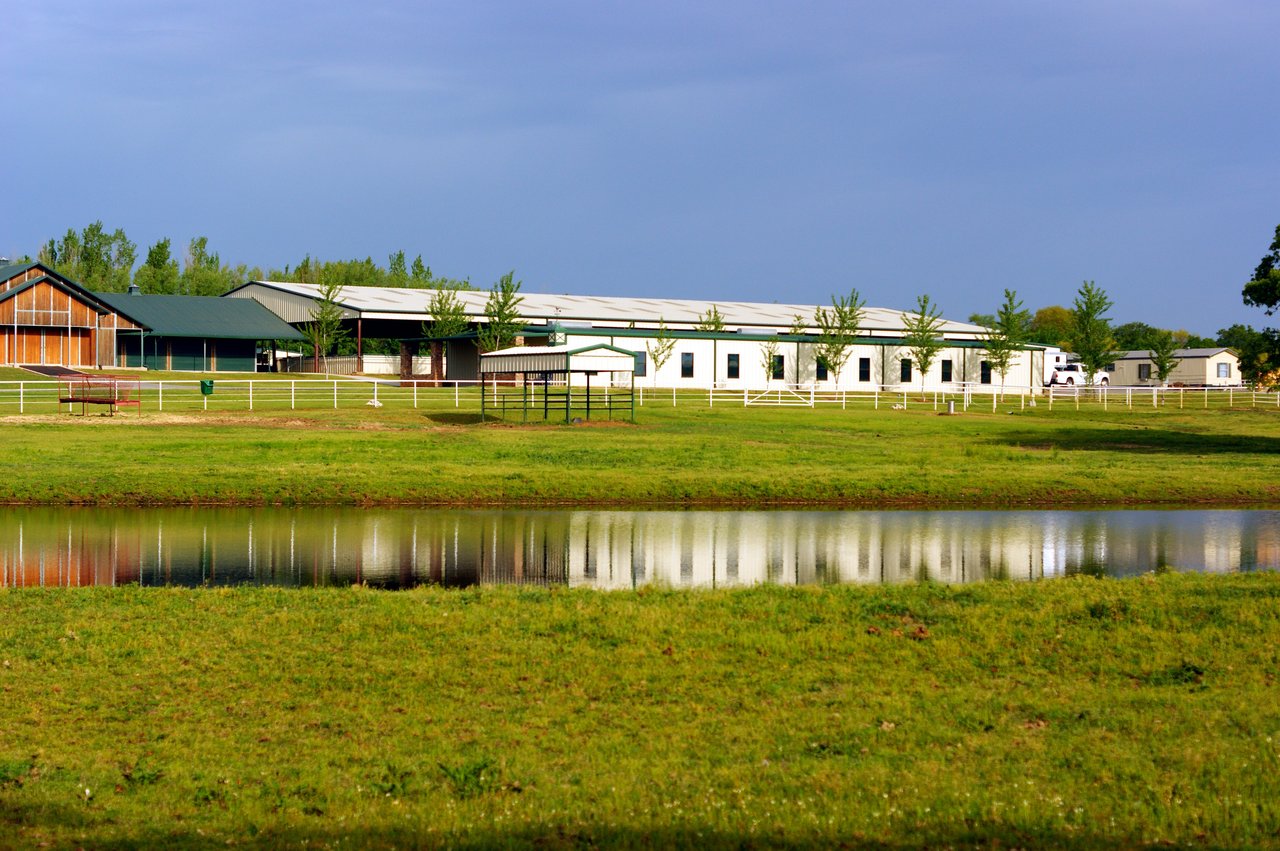
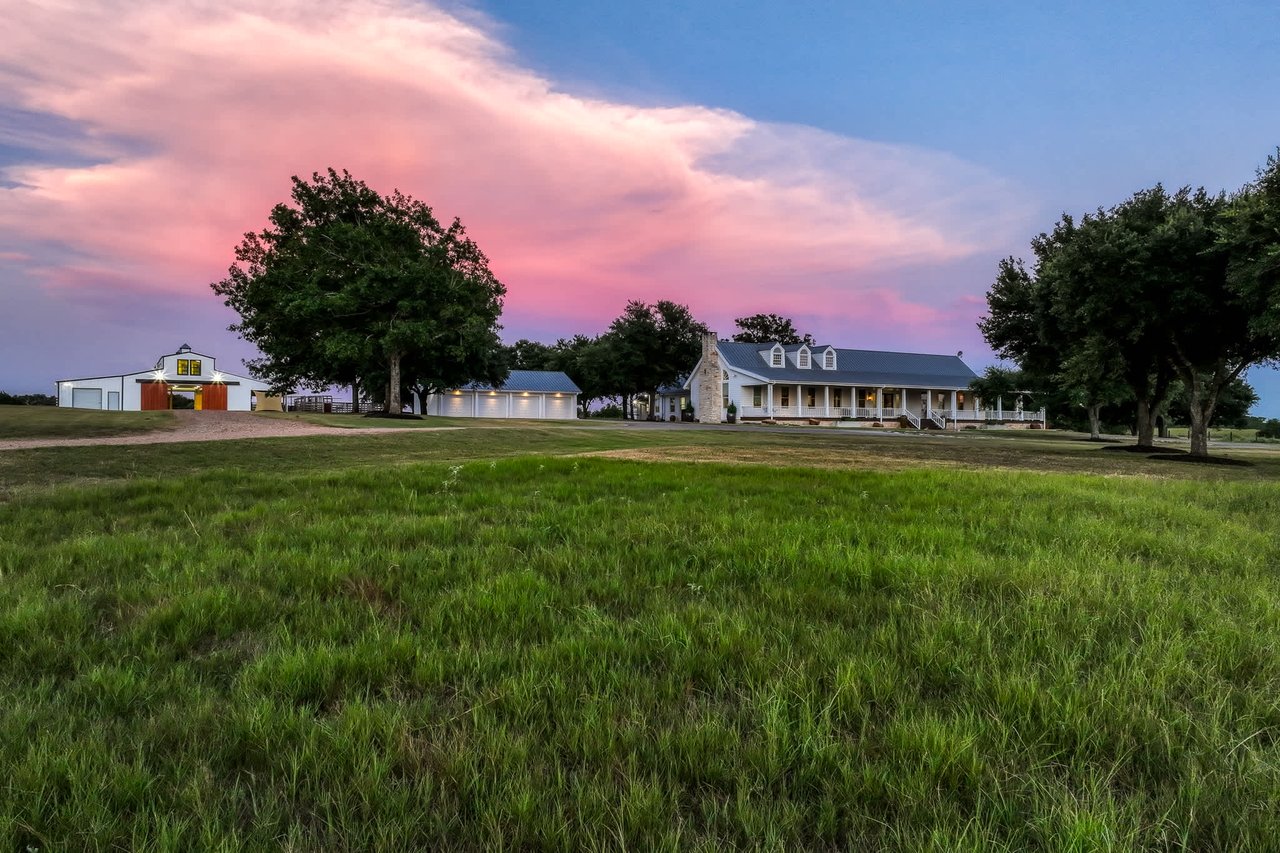
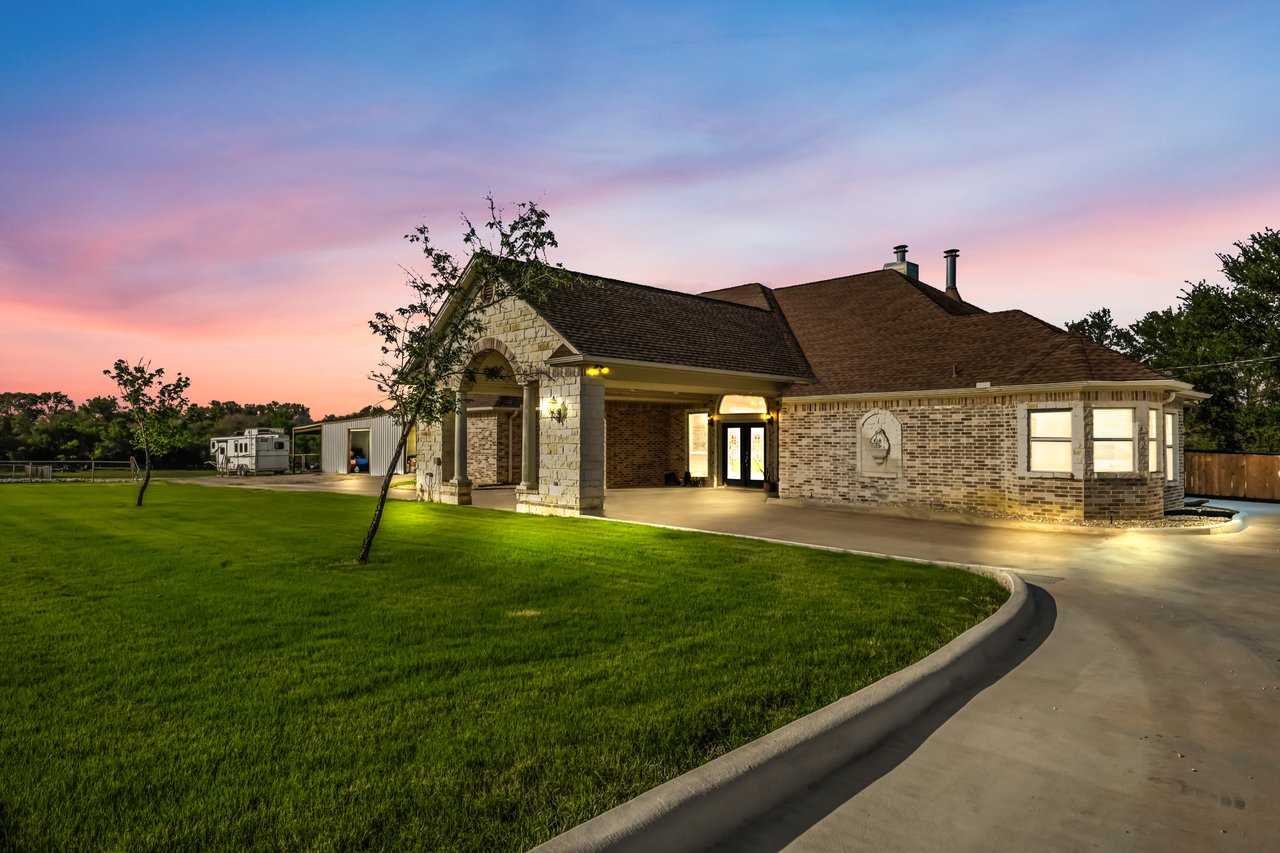
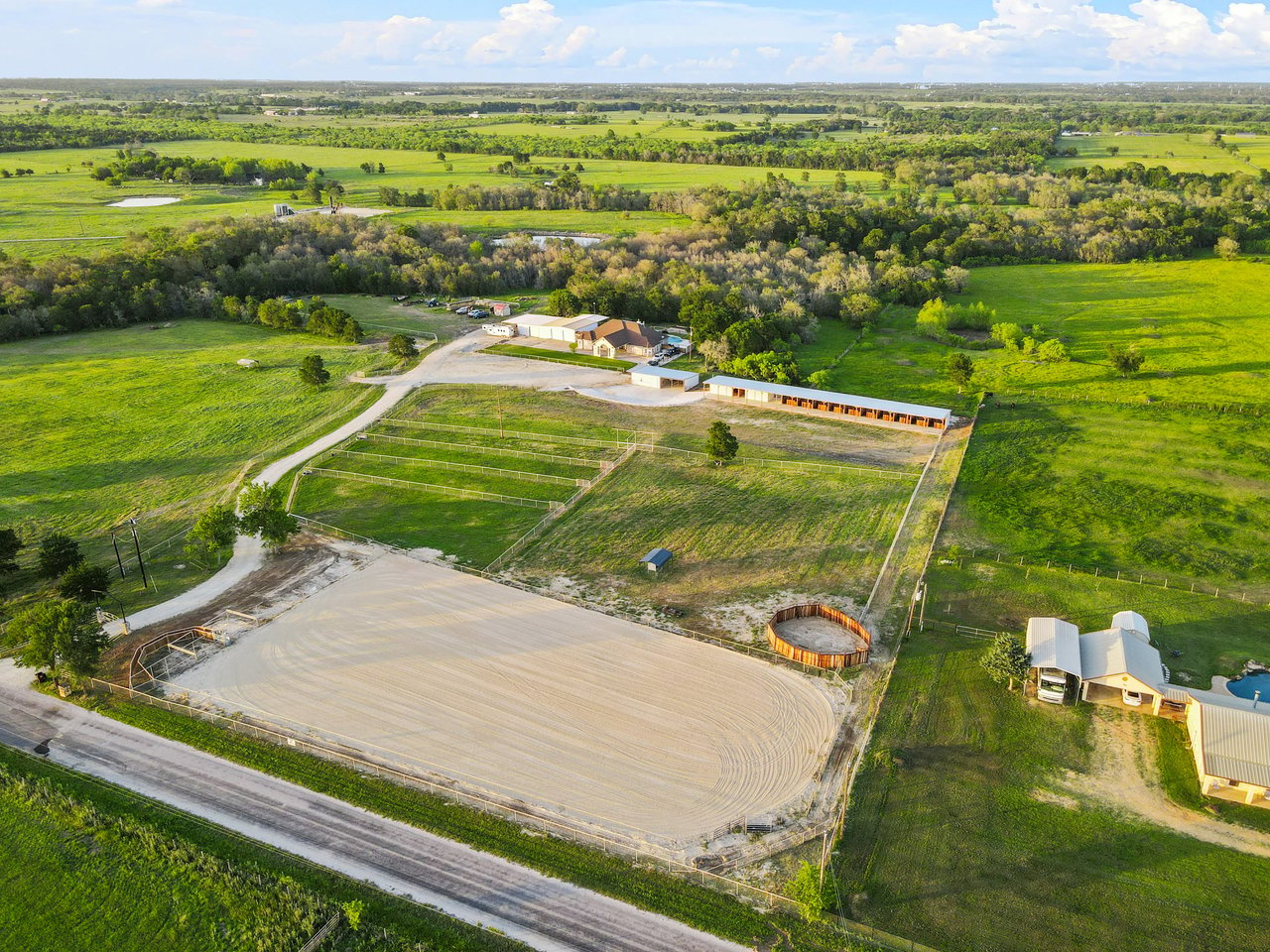
This zone is the heart of Upper Gulf Coast horse country. Waller County's Hempstead corridor, accessible via US-290, is one of the most active barrel racing and working horse communities in Texas. Sandy loam soils drain well by regional standards, making it far more suitable for arena footing and turnout management than the heavy clay counties closer to the coast. Properties in the 10 to 50-acre range with existing barns, covered arenas, and improved coastal Bermuda pasture represent the most sought-after inventory type in the Upper Gulf Coast — and they move quickly when priced correctly.
Montgomery County's northwest quadrant (Magnolia, Plantersville, Montgomery) has developed into a significant horse property market over the past decade. Buyers from The Woodlands and north Houston have pushed into this zone seeking acreage they cannot find closer to the city. The terrain here is gently rolling post oak and pine, and the community has a strong rodeo and equestrian event calendar that draws buyers specifically for the lifestyle.
Fort Bend County's western edge — Fulshear, Simonton, and the FM 359 corridor into Austin County — has seen sustained demand from buyers priced out of the inner Katy suburbs. Properties in this zone offer the Fort Bend County school district access and reasonable Houston commutes alongside genuine rural character. The Brazos River bottomland runs through the southern part of this zone, and river-adjacent properties carry both scenic appeal and flood risk.
What to know: The northwest corridor is the most competitive horse property submarket in the region. Properties with covered arenas, quality barn construction, and established pasture rarely sit more than 30 to 60 days. Buyers who wait for the perfect property to appear publicly often find it under contract before they tour. Working with an agent actively sourcing off-market is essential here.
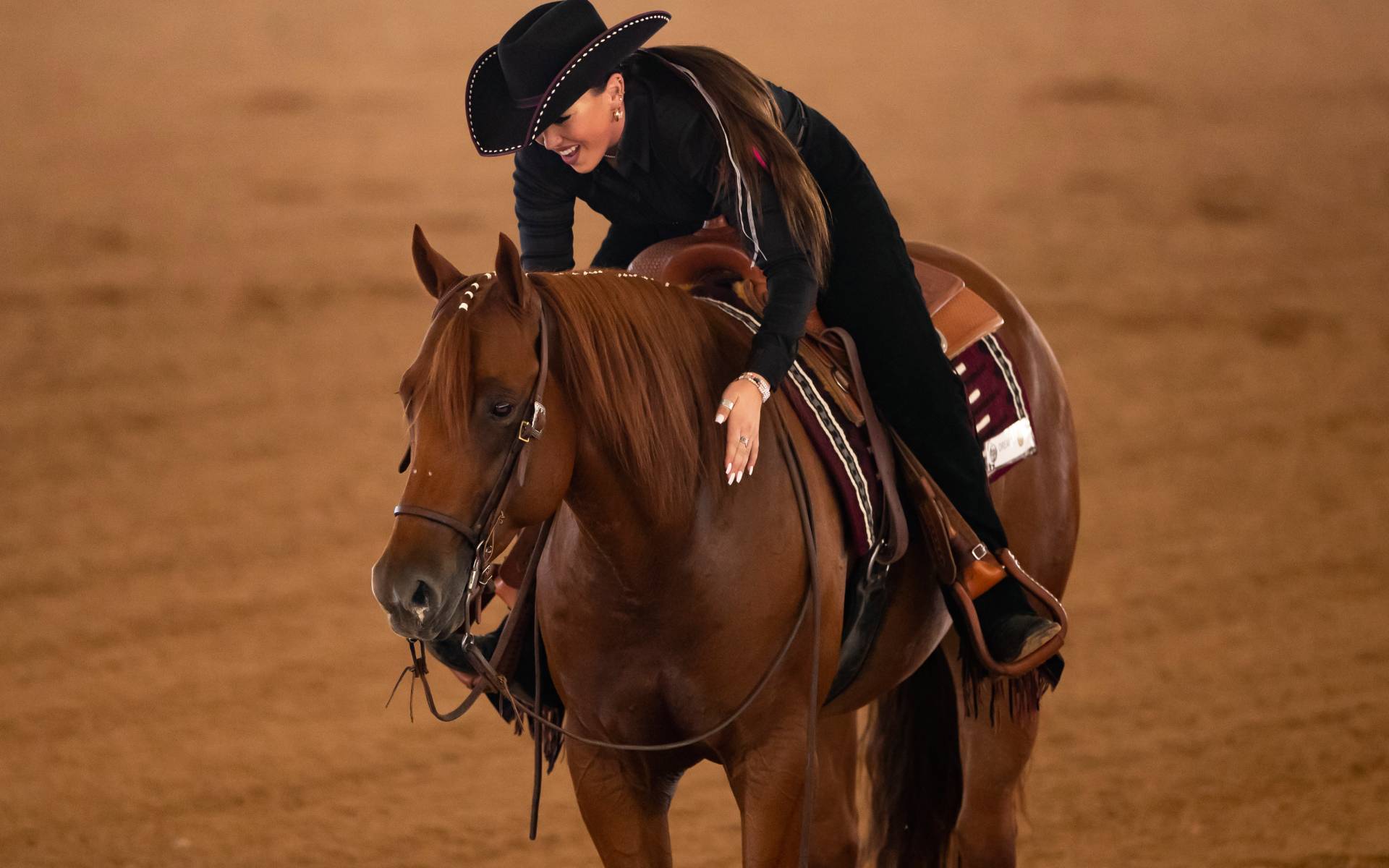
Counties: Austin County, Colorado County, Wharton County, Matagorda County
Anchor cities: Bellville (Austin County), Columbus (Colorado County), Wharton (Wharton County), Bay City (Matagorda County)
The rural western counties of the Upper Gulf Coast represent the region's best value for buyers prioritizing acreage over proximity to Houston's amenities. Austin County (Bellville, Sealy, Wallis) sits at the junction of I-10 and the Brazos Valley, roughly midway between Houston and San Antonio, and has historically attracted buyers seeking working agricultural properties with good highway access. The terrain is a mix of post oak uplands and Brazos River bottomland.
Colorado County (Columbus) and Wharton County offer flat, open prairie terrain — the agricultural working landscape that predates Houston's suburban expansion. Properties here run larger, pricing is more favorable per acre, and the buyer community skews toward working cattle and horse operations rather than suburban hobby farms. If your priority is 100-plus-acre properties with genuine agricultural infrastructure at prices below the inner corridor, Colorado and Wharton counties deliver.
Matagorda County (Bay City, Palacios) is the most coastal and southernmost county in this zone. Its proximity to the Gulf of Mexico creates hurricane exposure considerations not relevant in the northern zones, but it also produces a landscape of open coastal prairie and rice fields that attracts buyers seeking large acreage with waterfowl hunting access alongside horse keeping.
Counties: Harris, Brazoria, Galveston, Chambers
Anchor cities: Houston (Harris County), Pearland and Angleton (Brazoria County), League City and Friendswood (Galveston County), Anahuac (Chambers County)
This zone encompasses Houston proper and its immediate southeastern suburban counties. Harris County has active equestrian communities in the Cypress, Katy, and Spring corridors, and Sam Houston Race Park in northwest Harris County is a commercial horse racing anchor. But most horse property buyers outgrow Harris County's available acreage quickly — the suburban density makes true horse properties rare and expensive.
Brazoria County (Pearland, Angleton, Alvin) and Galveston County (League City, Friendswood) serve buyers who commute south and southeast from Houston and want nearby acreage. Horse property inventory here is limited relative to the northwestern corridor, and the flat, clay-heavy coastal soil creates drainage challenges. Chambers County (Anahuac, Baytown area) is transitional toward East Texas and is considered by some buyers to be part of that region.
What to know: This zone is better suited to buyers whose commute or family roots anchor them to the southeast Houston metro rather than buyers seeking optimal horse property terrain and infrastructure. For the latter, Waller and Austin counties consistently outperform.
Counties: Walker County, Liberty County
Anchor cities: Huntsville (Walker County), Liberty and Dayton (Liberty County)
Walker and Liberty counties sit at the northwestern and northeastern edges of the Upper Gulf Coast region and are commonly considered part of East Texas as well as the Houston region — a transitional zone where the coastal prairie gives way to pine and hardwood forest. Walker County (Huntsville, home of Sam Houston State University) offers genuine Piney Woods character with Houston commute access via I-45. Property prices here are among the most accessible in the region, and the terrain is better suited for horse keeping than the flat clay counties closer to the coast.
Liberty County (Liberty, Dayton) borders the Trinity River and is prone to significant flood risk, particularly in its lower-lying areas. Buyers here benefit from lower prices and East Texas aesthetic appeal but must prioritize flood plain due diligence above almost any other consideration.
Hurricane Harvey (2017) demonstrated comprehensively that flood risk in the Houston region is not confined to obvious waterways. Properties that had never flooded in living memory took water in Harvey. Before making any offer on an Upper Gulf Coast horse property, obtain a current FEMA flood zone determination, review the property's Harvey flood history specifically, and ask the seller for disclosure of any historical flood events affecting structures, barns, or pasture areas. Flood insurance premium estimates should be factored into carrying cost calculations before you close.
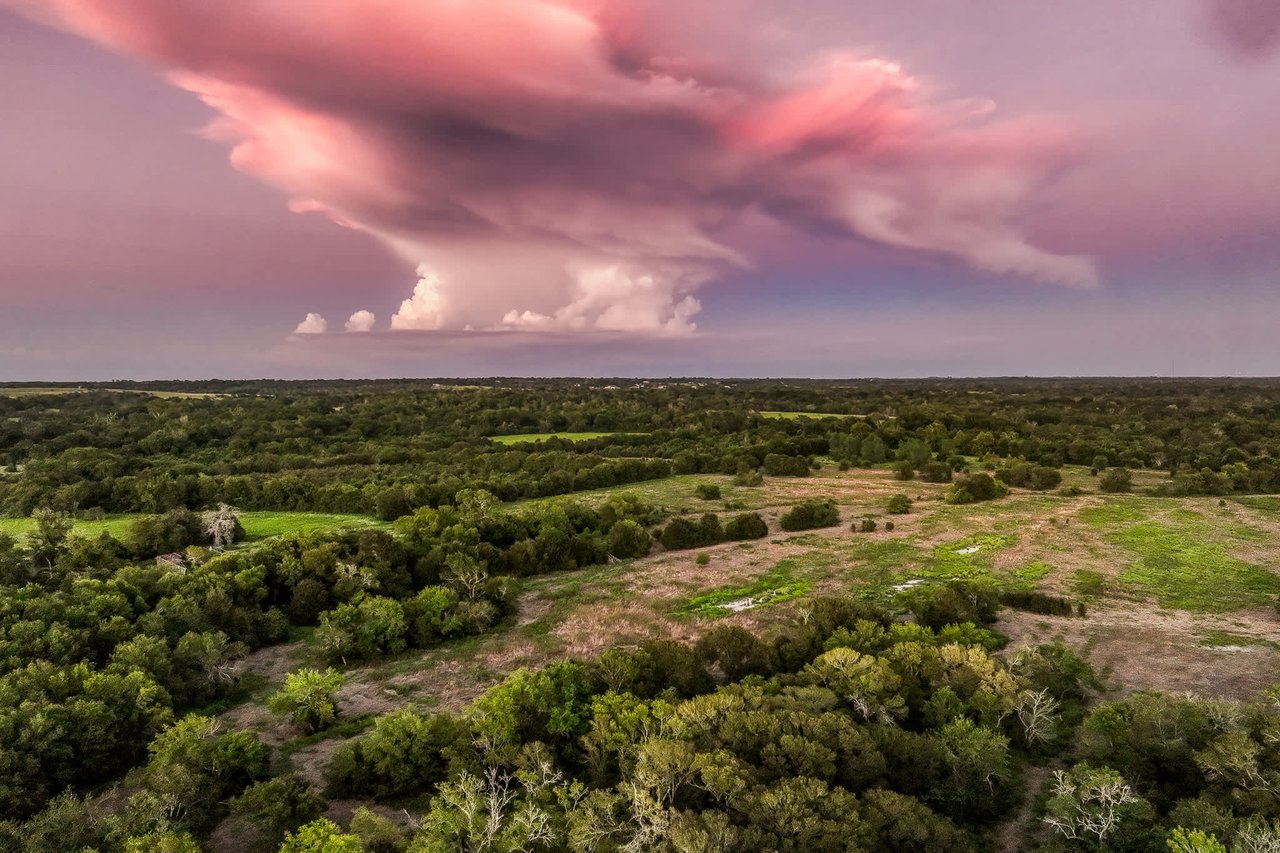
In a region that averages 50 to 60 inches of rainfall annually — among the highest in Texas — even modest elevation advantages matter. Barns, arenas, and homes built on elevated pads with engineered positive drainage outperform flat-sited structures significantly over time. Look for evidence of engineered drainage under covered arenas, graded approaches to barn and feed storage areas, and well-maintained perimeter ditches on properties with agricultural drainage infrastructure.
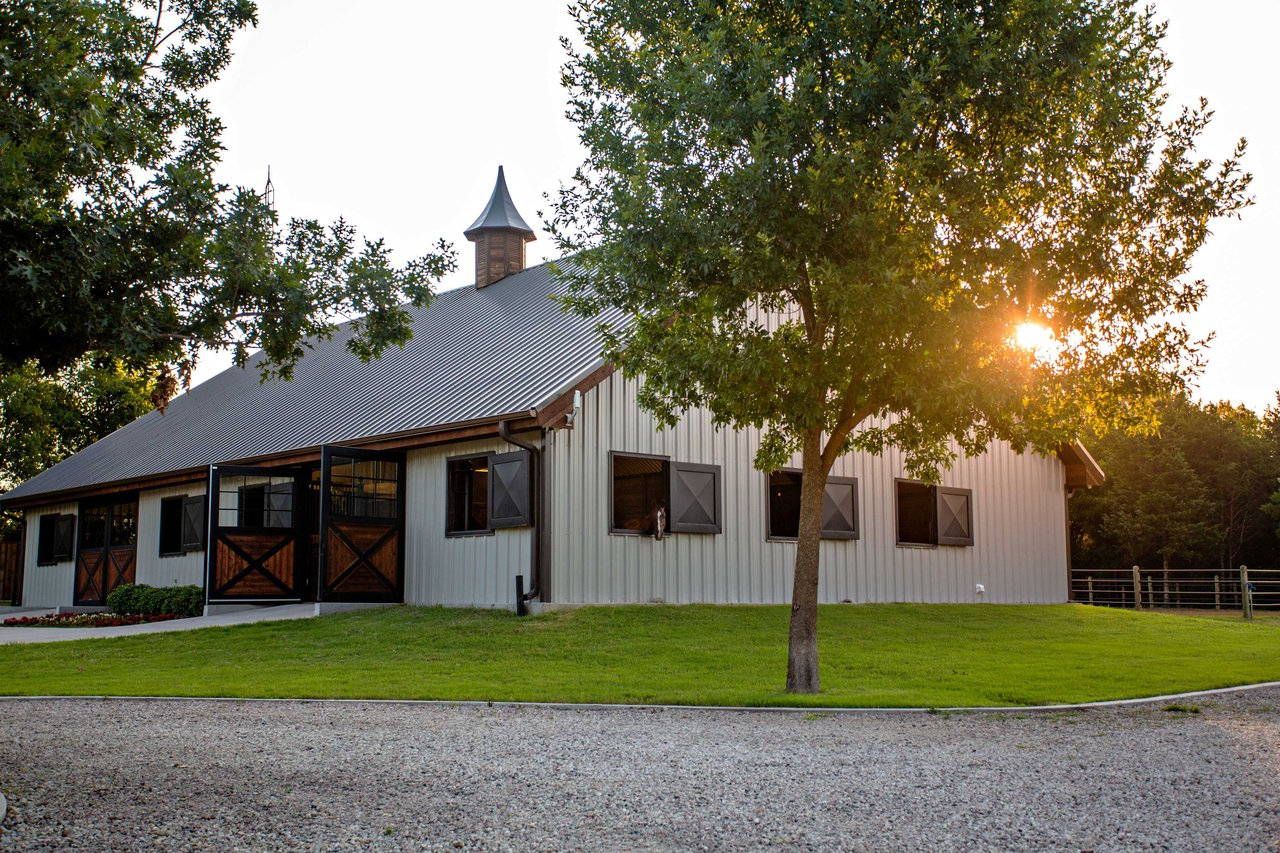
Soil quality varies significantly across the Upper Gulf Coast. Waller County's sandy loam uplands are among the best-draining soils in the region — a primary reason the Hempstead corridor has developed as the horse property core. Moving south and east toward the coast, soils become progressively heavier clay — productive for rice farming but challenging for arena footing and high-traffic turnout. Confirm soil type on any property you are seriously considering.
Given the region's rainfall and clay soil prevalence, covered arenas in the Upper Gulf Coast require more substantial base engineering than equivalent arenas in drier Texas regions. An uncovered arena on heavy clay soil in a wet year can be unusable for weeks. Inspect base depth and composition, drainage infrastructure, footing material quality, and roof structure condition. In a hurricane-adjacent region, roof construction quality has practical consequences.
The Upper Gulf Coast lies within the historical Texas hurricane impact zone. For properties in Brazoria, Galveston, Matagorda, and Chambers counties, hurricane risk is a genuine factor in barn and arena construction quality, insurance availability and cost, and property siting. Verify that barns meet local wind load standards and that structural engineering accounts for tropical storm wind exposure.
Texas AG exemption is available across Upper Gulf Coast counties but qualification requirements and minimum acreage vary. Fort Bend and Montgomery counties have seen significant development pressure that has affected AG exemption access in some areas. Confirm current AG exemption status on any property and verify the rollback tax amount — in high-value suburban counties, rollback can represent a significant liability if the exemption lapses after purchase.
Much of the Upper Gulf Coast horse property market is explicitly commuter-driven. Before committing to a property, drive the actual commute at the actual time of day during a normal work week. The difference between a 45-minute drive and a 90-minute drive is often a single highway interchange. Properties on the favorable side of a major highway corridor consistently outperform those requiring county road navigation on resale.
The Upper Gulf Coast is a high-volume, fast-moving market where the quality difference between an experienced equestrian specialist and a general residential agent is most visible. The market's scale — Houston's buyer pool is enormous, the price range is wide, and properties range from suburban hobby farms to working 200-acre operations — requires an agent who understands both ends of that spectrum.
Lisa Bricker is a Certified Equestrian Property Specialist and Global Equestrian Advisor with Engel & Völkers Land and Ranch. She evaluates horse properties the way a horse owner evaluates them: drainage, soil, arena, pasture carrying capacity, water infrastructure, and commute reality — not square footage and bedroom count. For Upper Gulf Coast buyers relocating from Houston or from out of state, that evaluation expertise protects you from purchasing a property that looks right in photographs but fails in the first wet season.
For Upper Gulf Coast sellers, Lisa's national marketing reach through ADTV Selling Texas — generating more than 100 million video views per quarter — and the Engel & Völkers global platform means your property reaches buyers across Texas, nationally, and internationally. Houston horse properties attract buyers from major metro areas across the country who want Texas land with big-city infrastructure nearby. Those buyers are not browsing local MLS feeds.
For Upper Gulf Coast buyers and sellers, working with Lisa means:
Expert evaluation of flood history, soil, drainage, and hurricane exposure before you commit
Off-market property access through the Engel & Völkers Land and Ranch network
Connections to equestrian appraisers, agricultural lenders, and land attorneys who know Upper Gulf Coast title complexity
National listing exposure reaching Houston-caliber buyers across the country
An agent who knows the difference between Waller County sandy loam and Fort Bend County clay — and why it matters to your horses
The Houston-area horse property market moves fast and the best properties — covered arenas, quality barns, Waller County sandy loam, and a realistic Houston commute — are typically spoken for before they hit Zillow. The buyers who find them are the ones who started the conversation early and worked with an agent actively sourcing the market.
If you are serious about finding your property in Waller, Montgomery, Fort Bend, Austin County, Colorado, Wharton, Walker, or any of the 13 Upper Gulf Coast counties, call or text Lisa Bricker at (979) 446-5340, email [email protected], or fill out the contact form on this page. Tell Lisa your commute constraints, your horse count, your infrastructure priorities, and your budget — and she will start working the network.
What to Look for When Buying a Texas Horse Property: A Specialist's Checklist
Texas AG Exemption for Horse Properties: What Every Buyer Needs to Know in 2026
What Every Horse Owner Should Know Before Buying a TX Horse Property
Texas Rural Land as a Long-Term Investment: Why Smart Buyers Are Buying Land Now
Texas Horse Property Market Report: Prices, Trends & What to Expect in 2026