As a Certified Equestrian Property Specialist and Global Equestrian Advisor with E&V Land and Ranch, Lisa Bricker works with buyers and sellers across Central Texas
Central Texas is home ground. This is where the Brazos, the Colorado, and the Trinity converge — where College Station meets the Hill Country, where Washington County's rolling Bluebonnet Corridor gives way to Fayette County's wide post oak pastures, and where three of the state's largest metropolitan areas create a buyer pool unlike any other Texas region. Whether you are searching for a turn-key training facility near College Station, a private equestrian estate in the Hill Country west of Austin, a working ranch in Bosque or Hamilton county, or acreage along the Brazos River bottomland, Central Texas horse properties offer something the other regions cannot: this is the center of Texas, and every road leads through it.
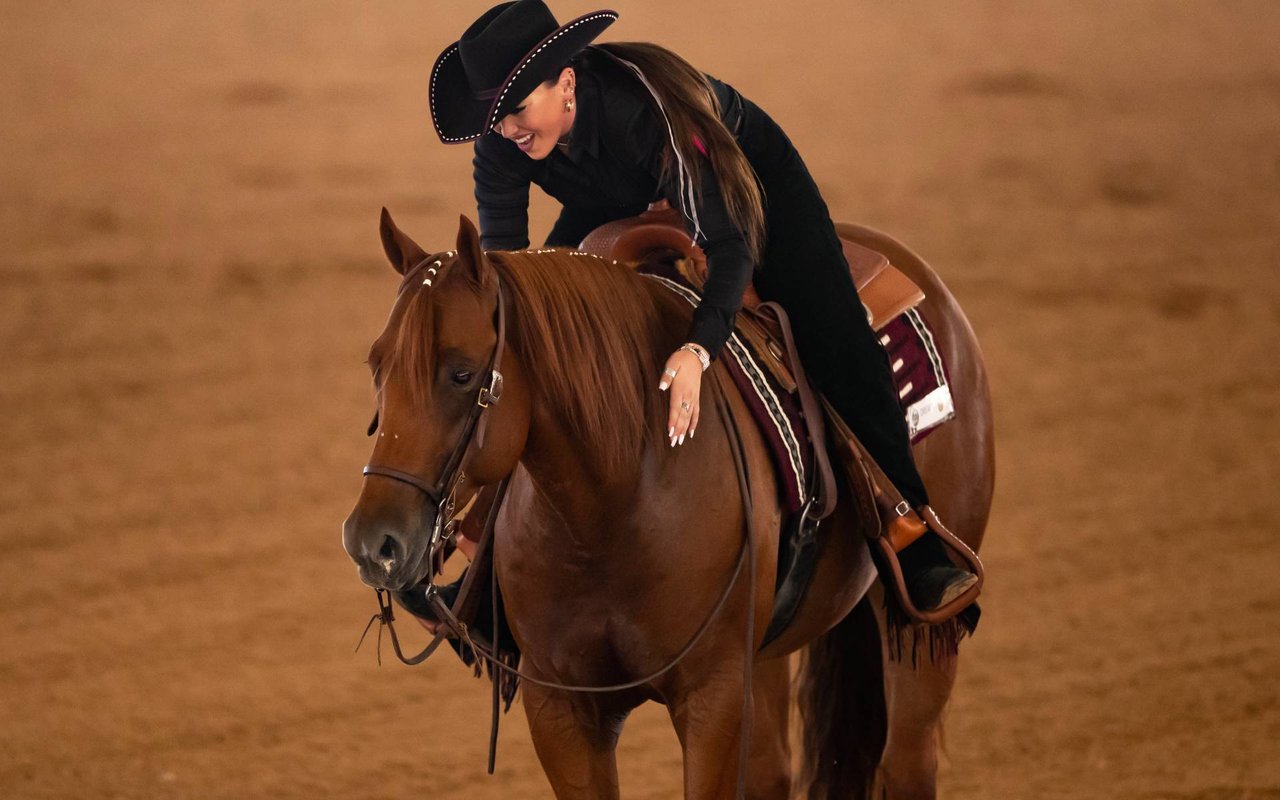
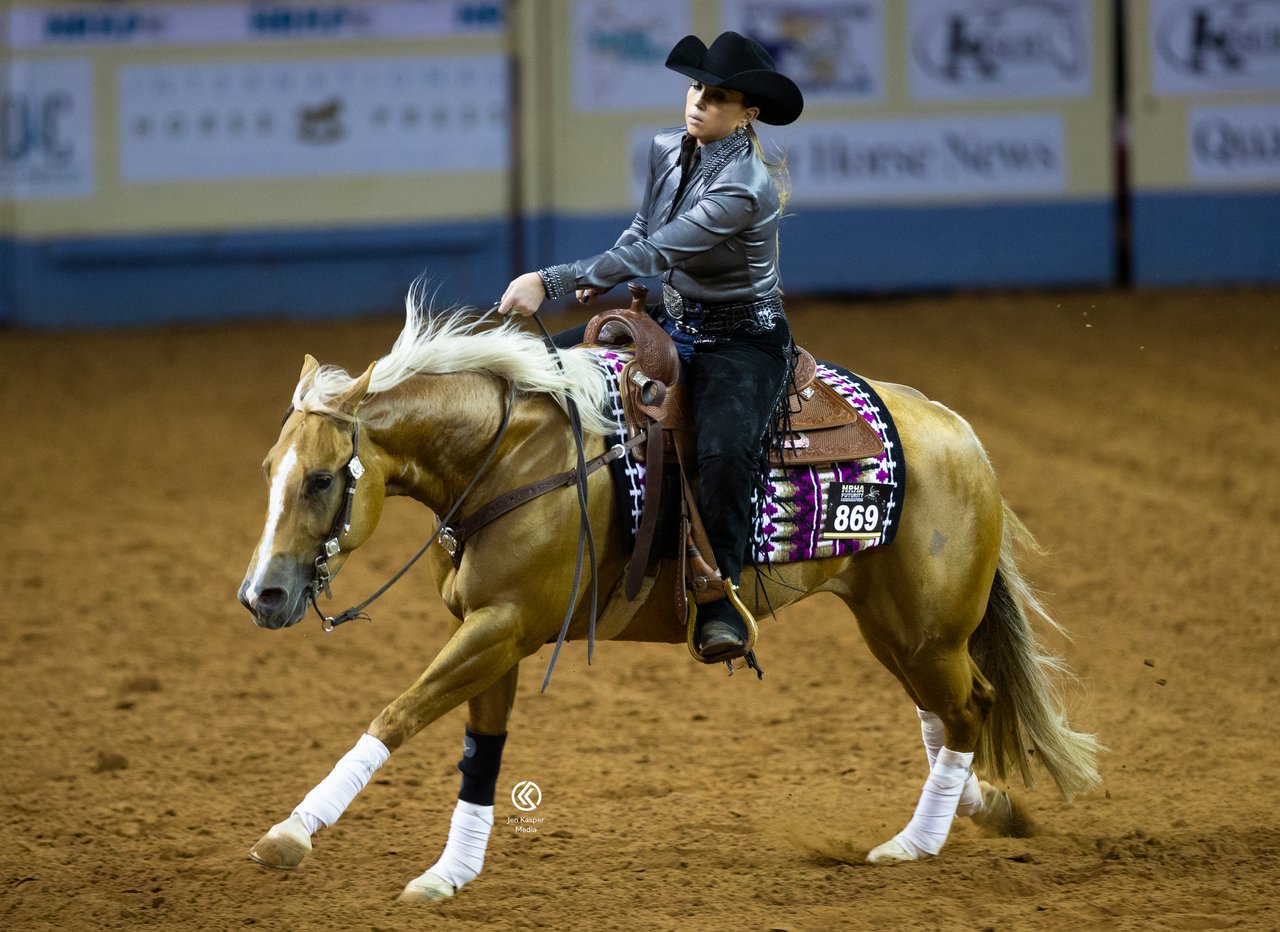
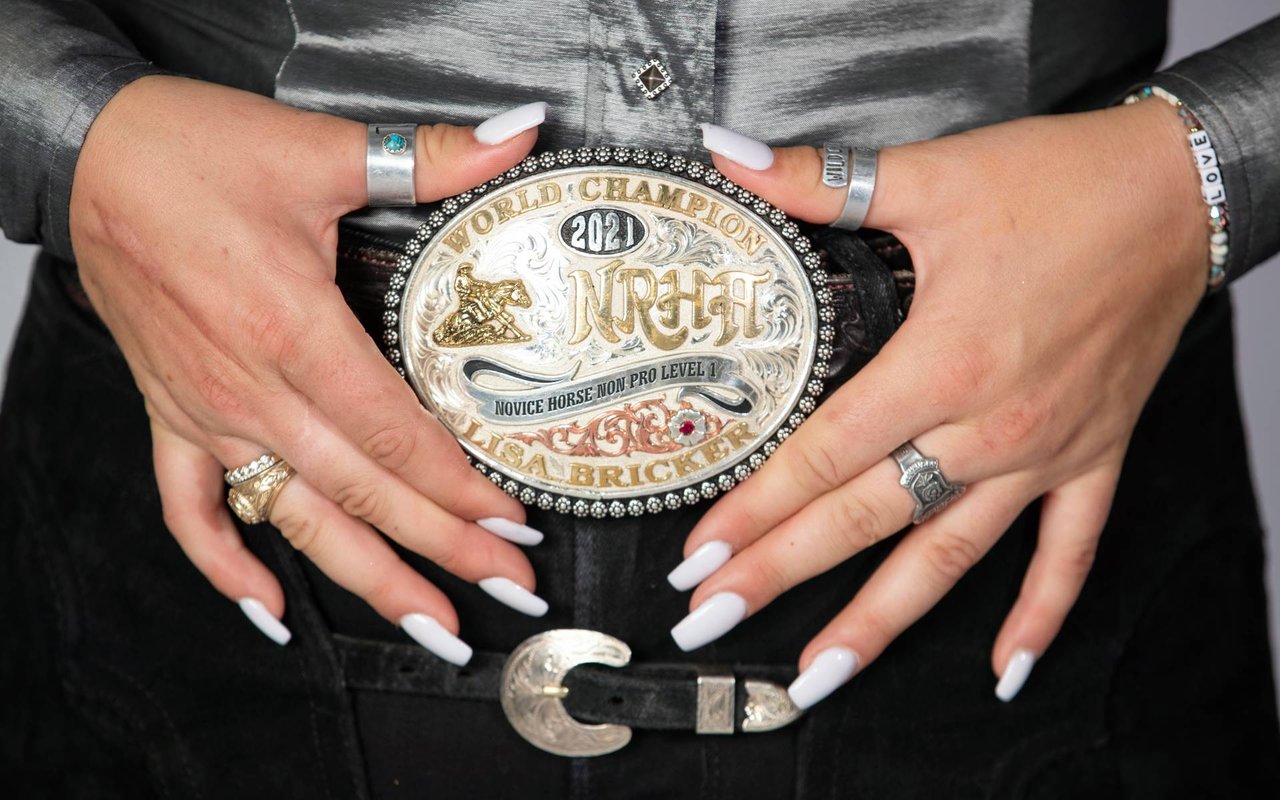
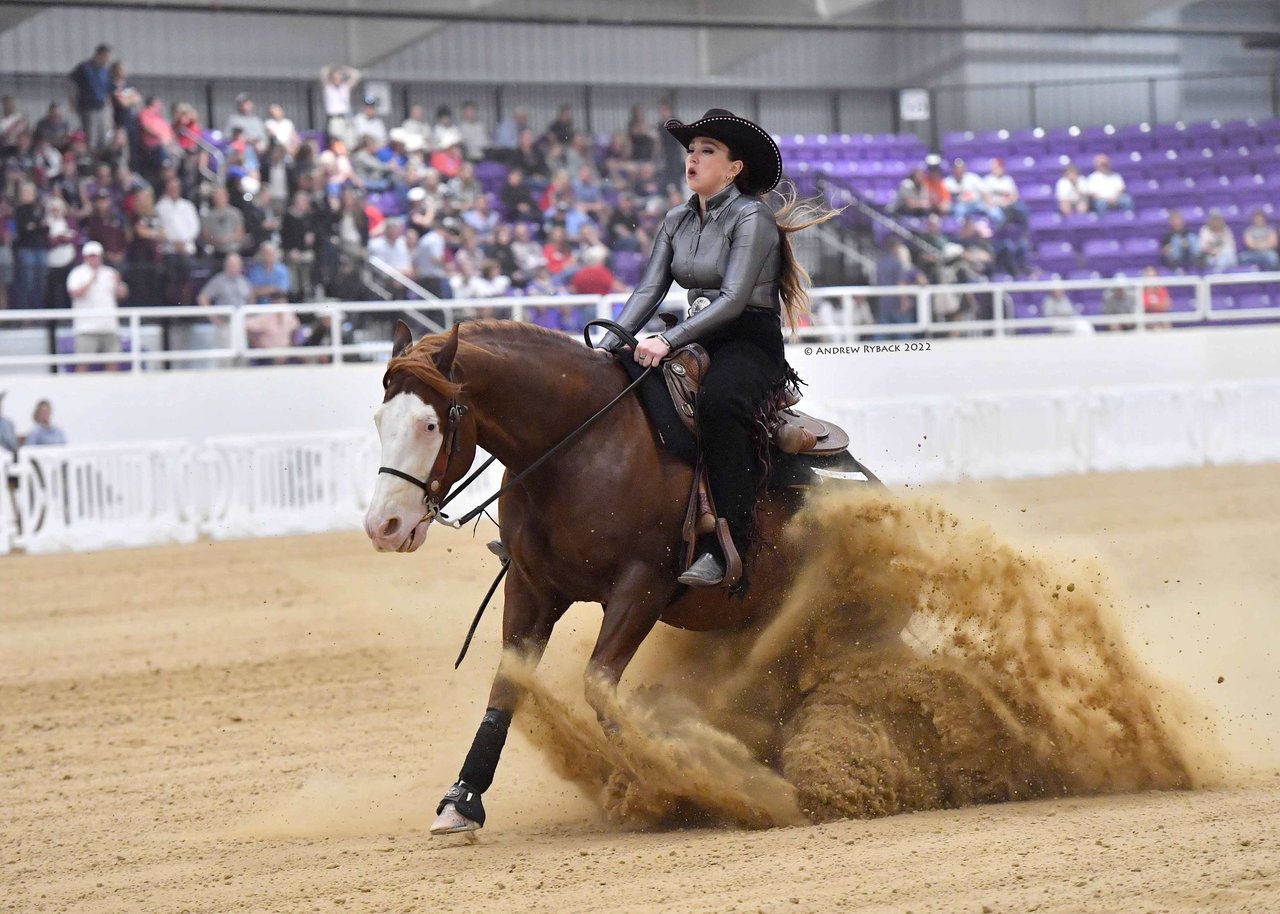
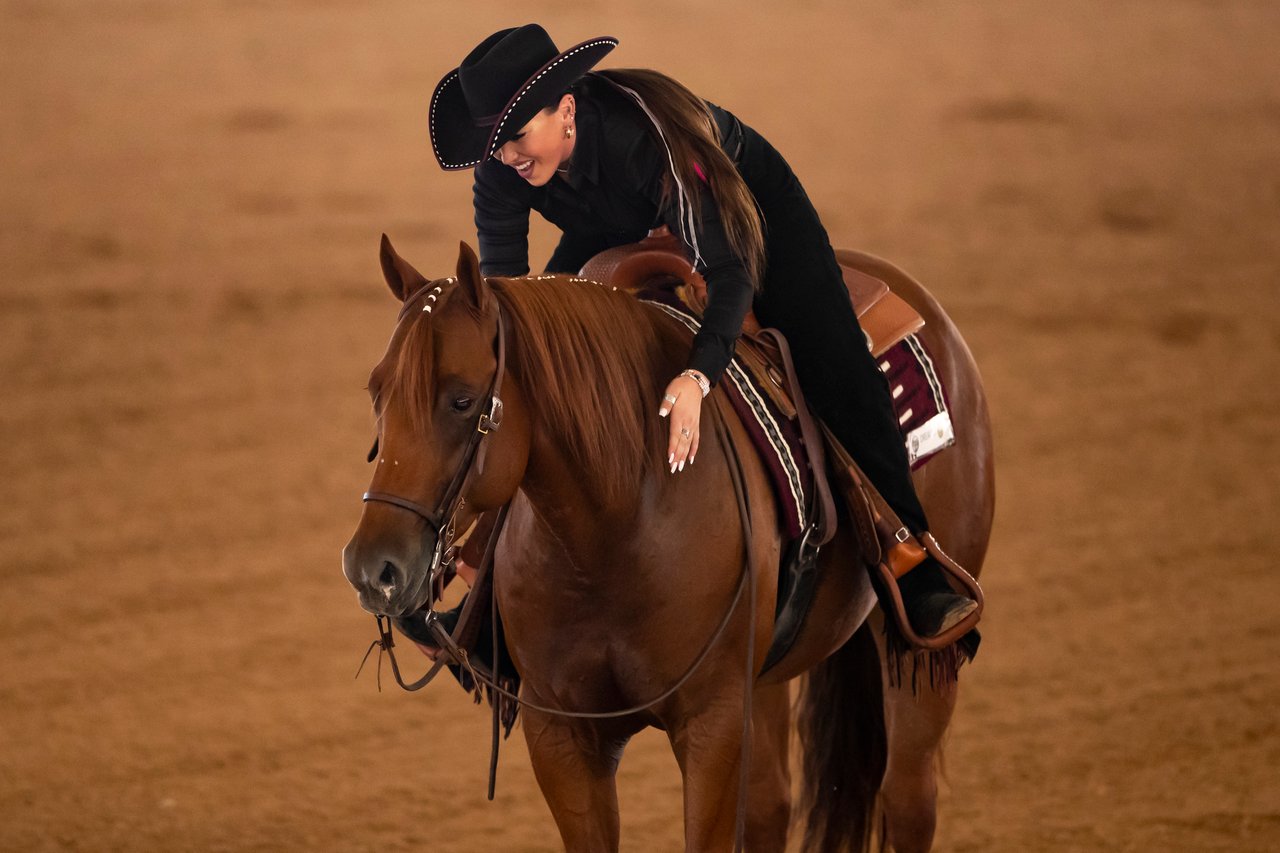
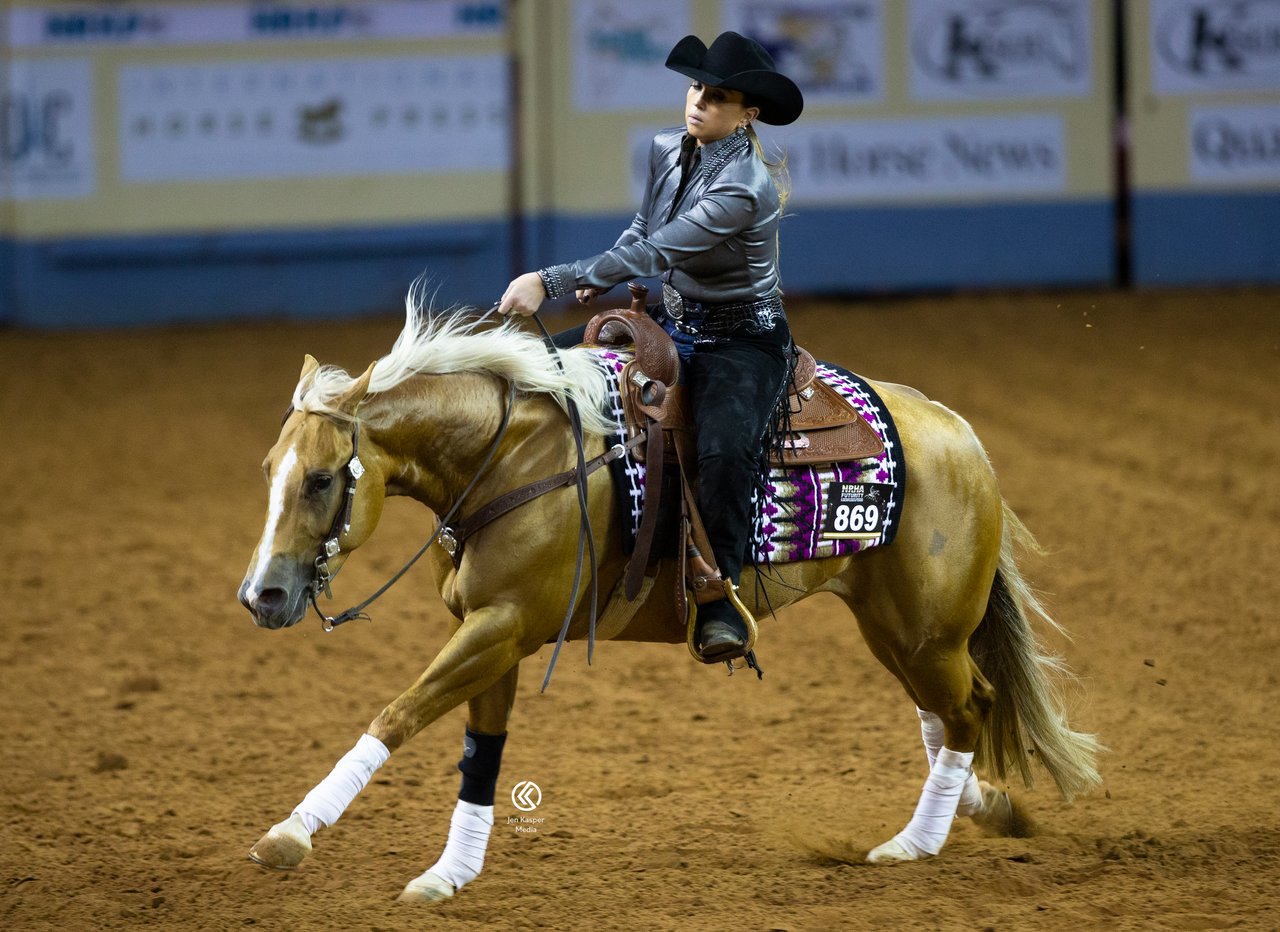
Lisa Bricker is a Certified Equestrian Property Specialist and Global Equestrian Advisor with Engel & Völkers Land and Ranch, based in Bryan-College Station at the heart of Central Texas. She was raised on an equine ranch, competed nationally in reining (NRHA Novice World Champion, APHA Non-Pro Reining World Champion), and has spent 25+ years working in every facet of the Texas horse industry from hobby farms to commercial training operations. Central Texas is not a market she works in from a distance. It is where she lives, where she shows horses, and where she has closed transactions across Brazos, Washington, Burleson, Grimes, Leon, Robertson, Madison, Fayette, Lee, and Bastrop counties. If you are buying or selling a Central Texas horse property, you are working with the agent who knows this ground best. |
Central Texas sits within three hours of Houston, Dallas-Fort Worth, and San Antonio — the state's three largest population centers. That means Central Texas horse properties draw buyers from across the state, and Central Texas sellers access a buyer pool no other rural Texas market can match. The Brazos Valley in particular captures buyers relocating from Houston who want land without losing access to a major airport.
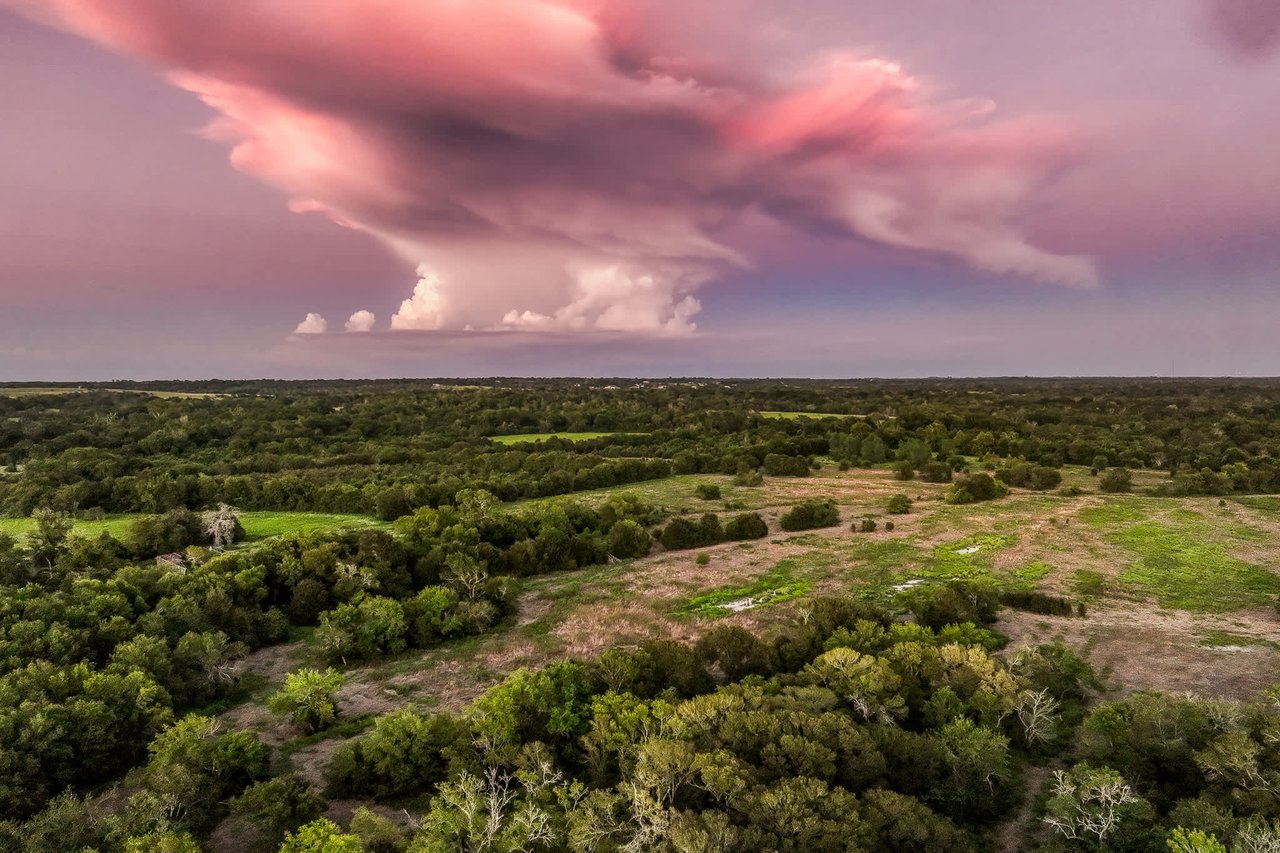
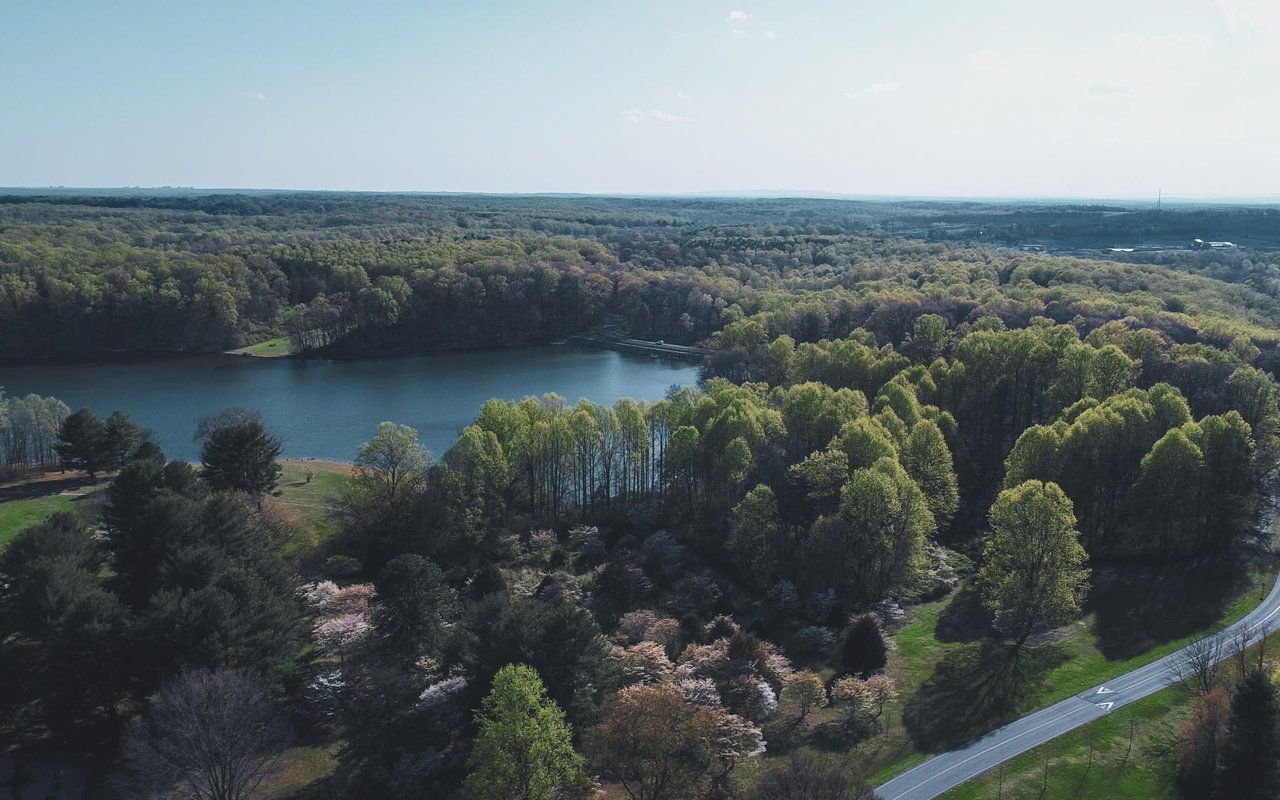
No other Texas region spans as much ecological variety as Central Texas. The eastern counties (Brazos, Washington, Grimes, Lee) sit in post oak savanna and Blackland Prairie — the landscape most people picture when they think of a Texas horse property. The western counties (Llano, Blanco, Burnet, San Saba) rise into the limestone Hill Country, with cedar and live oak terrain, spring-fed creeks, and granite outcroppings that define one of the most sought-after rural aesthetics in the country. Between them sit the river-bottom pastures of Fayette and Bastrop counties and the working ranch land of the Heart of Texas region around Waco.
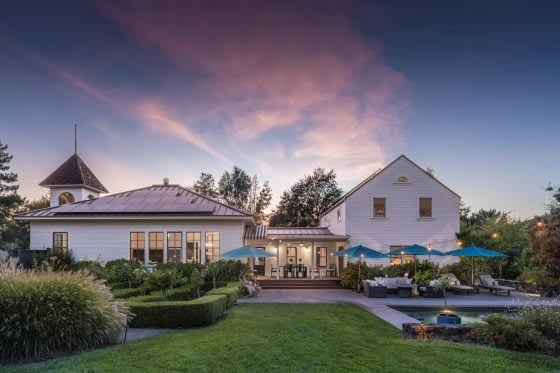
Washington County — home to Brenham, Round Top, and Chappell Hill — has become one of the most desirable equestrian and luxury ranch markets in Texas. The Round Top antique weekend draws national attention twice a year, and the country estates that have developed around it command prices and quality levels that rival anything in the state. Properties in this corridor sell to buyers from Houston, Austin, and beyond who want a genuine Hill Country-adjacent lifestyle without driving to Fredericksburg.
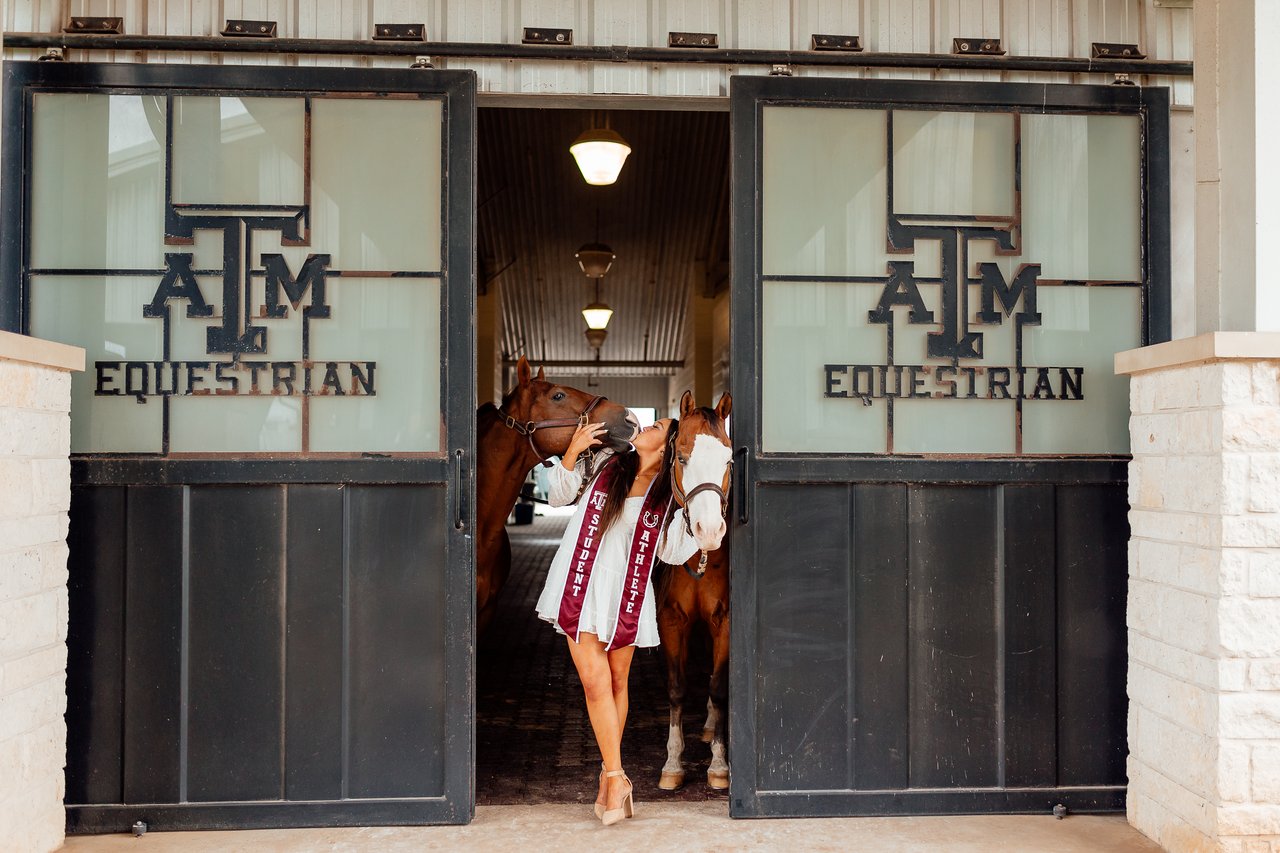
The Brazos Valley's equestrian community is anchored by Texas A&M University, home to one of the top equine science programs in the country and a varsity equestrian team that recruits nationally. Buyers relocating to College Station for professional, academic, or medical reasons — and who own horses — find the surrounding Brazos County and outskirt communities offer exactly the combination of city infrastructure and rural land they are looking for.
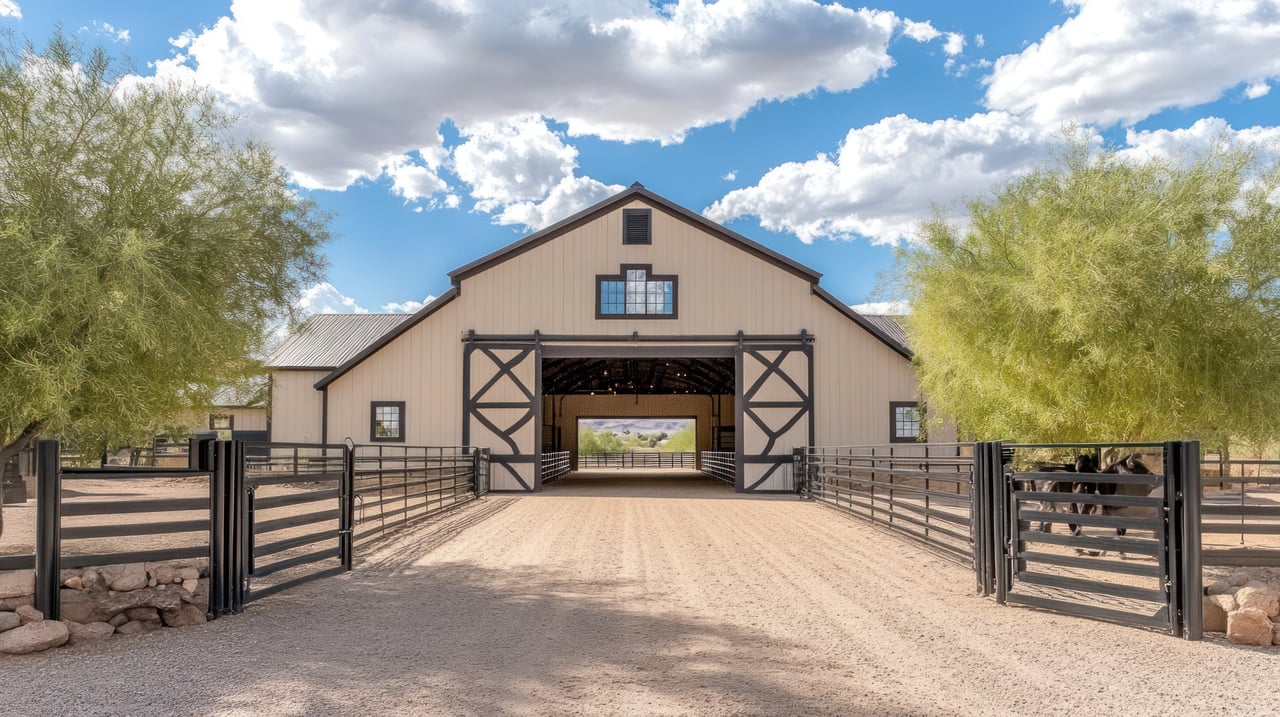
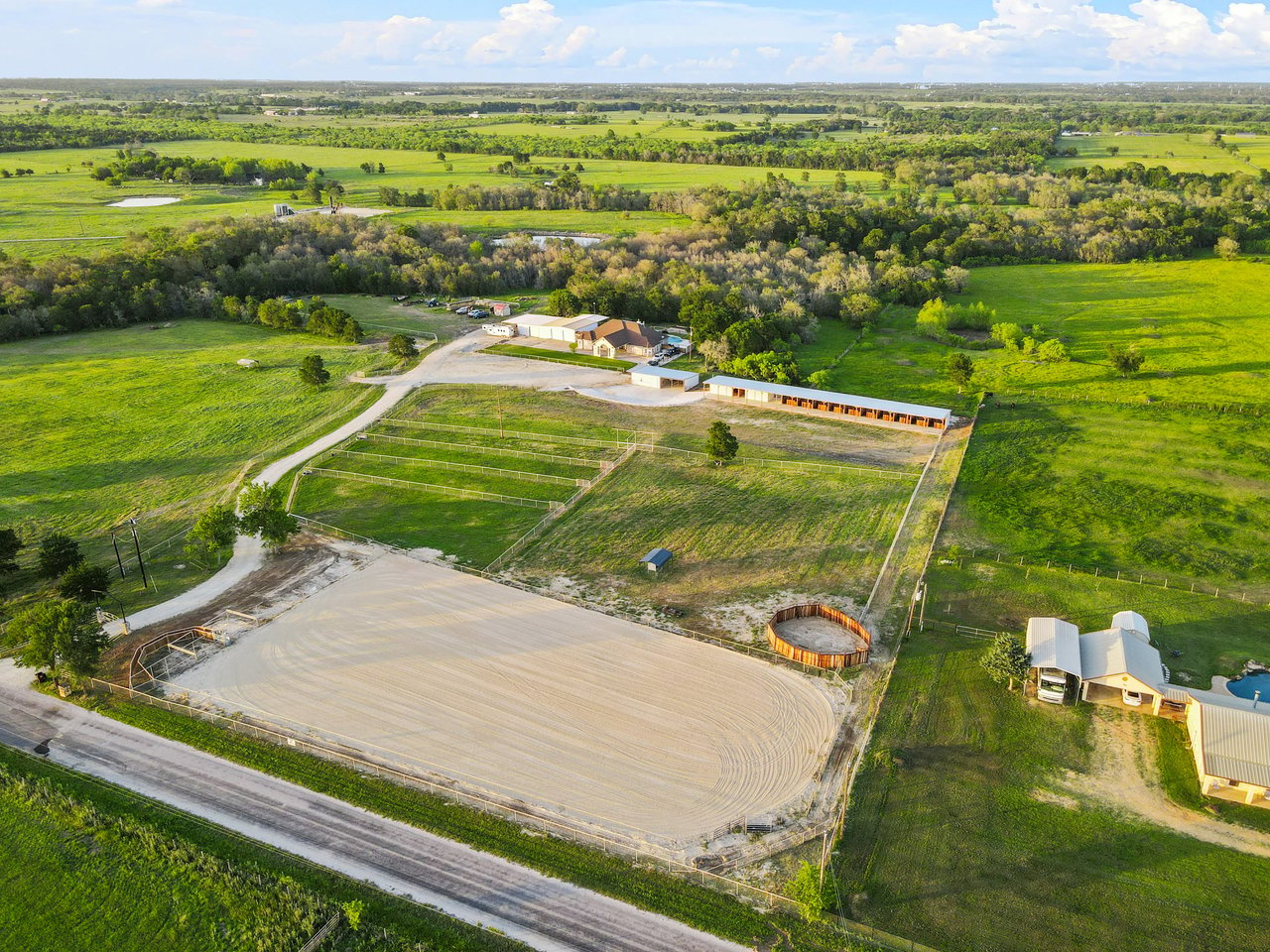
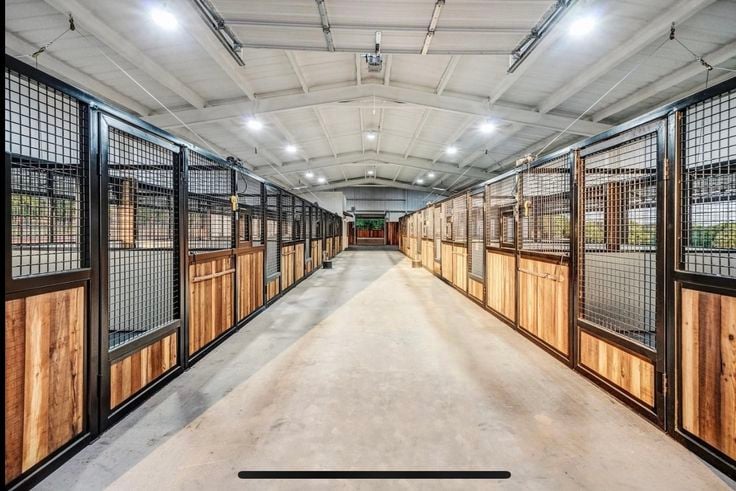
Central Texas horse property inventory, particularly in the 10 to 50-acre range with functional horse infrastructure, has consistently fallen short of demand. Properties with covered arenas, quality barns, improved coastal Bermuda pastures, and reliable water sell quickly and often above asking. Working with an agent who sources off-market properties is not a luxury in this market — it is a necessity.
Counties: Brazos, Burleson, Grimes, Leon, Madison, Robertson, Washington
Anchor cities: College Station and Bryan (Brazos County), Brenham (Washington County), Caldwell (Burleson County), Navasota (Grimes County), Centerville (Leon County), Hearne (Robertson County)
The Brazos Valley is Central Texas at its most distinctly equestrian. Brazos County anchors the zone — home to Texas A&M, Engel & Völkers Land and Ranch's Bryan-College Station office, and a horse property market that spans from 5-acre suburban ranchettes in the College Station outskirts to 100-plus-acre working facilities in the surrounding precincts. The North Zulch corridor (Madison County), the Navasota River bottomlands (Grimes County), and the Kurten and Benchley communities (Brazos County) have established horse property enclaves that knowledgeable buyers seek out specifically.
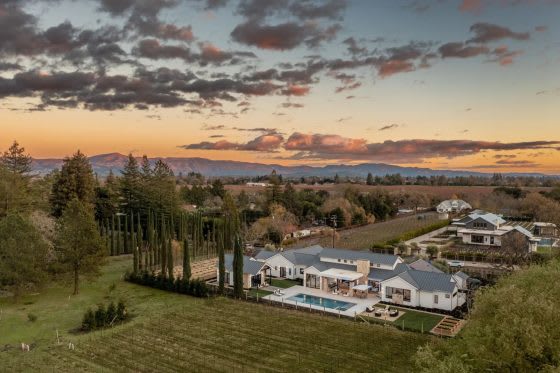
Washington County is the crown jewel of the Brazos Valley horse property market. Brenham, Round Top, and Chappell Hill anchor a county that has seen consistent luxury buyer demand from Houston, Austin, and DFW for over a decade. Properties here combine genuine agricultural heritage with curated finishes, guest cottages, covered arenas, and manicured pastures that appeal to buyers at the $1M to $5M+ price point. If you are buying or selling in Washington County, presentation and marketing strategy matter as much as the property itself.
Burleson County (Caldwell) and Leon County (Centerville, Buffalo) offer the Brazos Valley's best value — larger acreage at lower per-acre prices than Brazos or Washington county, with the same post oak savanna terrain and AG exemption accessibility. Robertson County (Hearne, Franklin) is underappreciated by buyers but well-known to experienced land agents: significant properties have traded quietly in this county for decades.
Counties: Bastrop, Blanco, Burnet, Caldwell, Fayette, Hays, Lee, Llano, Travis, Williamson
Anchor cities: Austin (Travis County), Round Rock and Georgetown (Williamson County), San Marcos (Hays County), Bastrop (Bastrop County), La Grange (Fayette County), Llano (Llano County), Marble Falls (Burnet County), Giddings (Lee County)
The Capital Area counties form the most economically dynamic zone in Central Texas, anchored by Austin and its suburban growth corridor. For horse property buyers, the relevant market is not the Austin metro itself but the counties surrounding it: Bastrop, Fayette, Lee, and the western Hill Country counties of Blanco, Llano, and Burnet.
Fayette County (La Grange, Schulenburg) is one of the most underappreciated horse property markets in Texas. Sitting between Austin and Houston on the I-10 corridor, Fayette County delivers Hill Country-adjacent terrain, large working properties, and Czech-German agricultural heritage at price points that Houston and Austin buyers consistently find compelling. Properties in the 50 to 300-acre range with existing infrastructure are actively sought and move quickly when priced correctly.
Lee County (Giddings) sits directly between College Station and Austin and has attracted buyers priced out of both markets who want authentic Central Texas land with reasonable commute access to both cities. The county has seen significant horse property activity in recent years.
Bastrop County (Bastrop, Smithville) is defined by the Lost Pines — an isolated stand of loblolly pine that creates a landscape unlike anything else in Central Texas. Properties here have a distinct appeal for buyers who want pine-shaded acreage with proximity to Austin.
The Hill Country counties — Llano, Blanco, and Burnet — represent the luxury end of the Central Texas equestrian market. Marble Falls, Llano, and the Johnson City (Blanco County) area attract buyers seeking spring-fed creek properties, live oak and granite terrain, and the genuine Hill Country aesthetic. Price per acre here is among the highest in the region, but demand remains consistent from Austin, Houston, and DFW buyers seeking weekend and retirement properties.
Counties: Bell, Coryell, Hamilton, Lampasas, Milam, Mills, San Saba
Anchor cities: Killeen and Temple (Bell County), Copperas Cove (Coryell County), Hamilton (Hamilton County), Lampasas (Lampasas County), Cameron (Milam County)
Zone 3 is working ranch country. Bell County's Temple and Killeen anchor the zone commercially, but the equestrian buyer profile here skews toward practical working operations rather than luxury estates. Milam County (Cameron) sits on the eastern edge of this zone, bordering Robertson and Lee counties, and shares the post oak savanna character of the Brazos Valley.
Hamilton County is underappreciated by buyers from outside the region but well-regarded by those who know it. Rolling terrain, native pastures, cedar and live oak cover, and limited development pressure make it a strong value market for buyers seeking 50 to 500-acre ranch properties. San Saba County and Mills County, on the western edge, deliver authentic Texas Hill Country character at prices significantly below Llano or Blanco county equivalents. The San Saba River runs through San Saba County, creating spring-fed creek frontage that supports some of the most productive native pasture in the region.
Lampasas County bridges the Hill Country and the post oak savanna and has historically attracted buyers who want Hill Country terrain at cross-timbers prices. Copperas Cove and the Fort Cavazos (formerly Fort Hood) military community in Coryell County generate steady demand for smaller horse-friendly properties from military families.
Counties: Bosque, Falls, Freestone, Hill, Limestone, McLennan
Anchor cities: Waco (McLennan County), Hillsboro (Hill County), Corsicana-adjacent Mexia (Limestone County), Clifton (Bosque County), Marlin (Falls County)
The Heart of Texas zone sits at the northern edge of Central Texas, where the post oak savanna gives way to Blackland Prairie and the Cross Timbers. Waco (McLennan County) anchors the zone and has emerged as a buyer magnet in recent years, driven by Baylor University's growth and the national profile created by the HGTV Magnolia brand. That attention has extended into the surrounding rural counties.
Bosque County (Clifton, Meridian) is the zone's most distinctive equestrian market. Clifton was settled by Norwegian immigrants in the 1850s, and that Scandinavian agricultural heritage has shaped a community that has maintained working farm and ranch culture across generations. The terrain — cedar-covered limestone hills giving way to river-bottom pastures along the Bosque River — produces some of the most photogenic horse properties in Central Texas. Buyers from Waco, Dallas, and Fort Worth seek out Bosque County specifically for its combination of terrain, community character, and relative affordability.
Freestone County and Limestone County on the eastern edge of this zone offer flat Blackland Prairie terrain — productive agricultural land with good well water and strong AG exemption access, at some of the lowest per-acre prices in Central Texas.
The Brazos Valley and Heart of Texas zones sit primarily in Blackland Prairie and post oak savanna soils. Blackland Prairie clay soil is highly productive for pasture but notoriously difficult for arena footing — it swells when wet and cracks when dry. Post oak sandy loam, found in Grimes, Washington, Lee, and Fayette counties, drains far better and is generally superior for horse keeping. The Hill Country zones (Llano, Blanco, Burnet) have thin, rocky limestone soil that limits pasture options but creates excellent drainage. Know which soil type you are buying before committing.
The Brazos Valley sits above the Carrizo-Wilcox Aquifer in the east and shallower alluvial aquifers along river bottoms. Washington County properties often have reliable wells producing 10 to 30+ gallons per minute. The Hill Country counties tap the Trinity and Edwards Aquifers. Confirm well production rate, water quality testing results, and any existing water rights or surface water agreements before closing.
Texas AG exemption reduces property tax liability by 50 to 80 percent in most Central Texas counties, but the qualification requirements and rollback periods vary by county. Brazos County requires documented agricultural use on a minimum of 10 acres. Washington County has strong AG exemption infrastructure built around cattle, hay production, and wildlife management. Confirm eligibility and the rollback tax amount — which can represent years of back taxes if the exemption lapses after purchase.
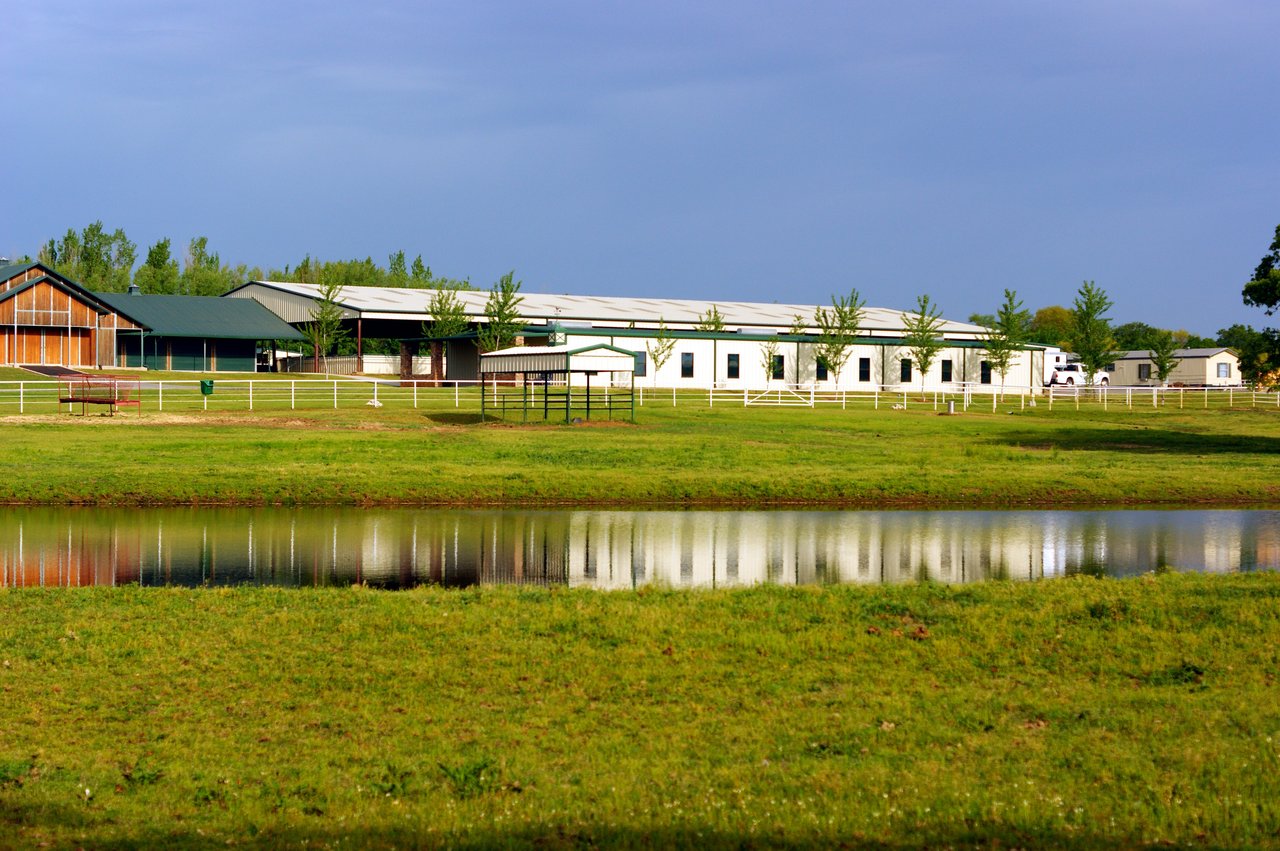
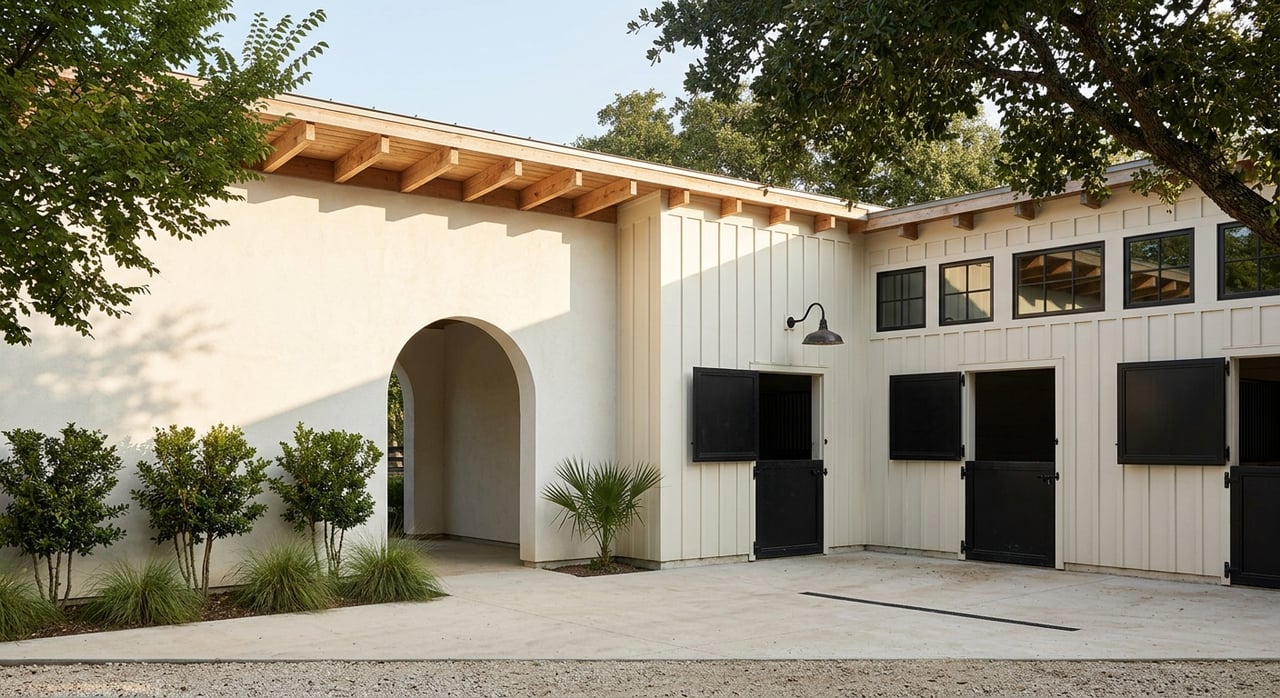
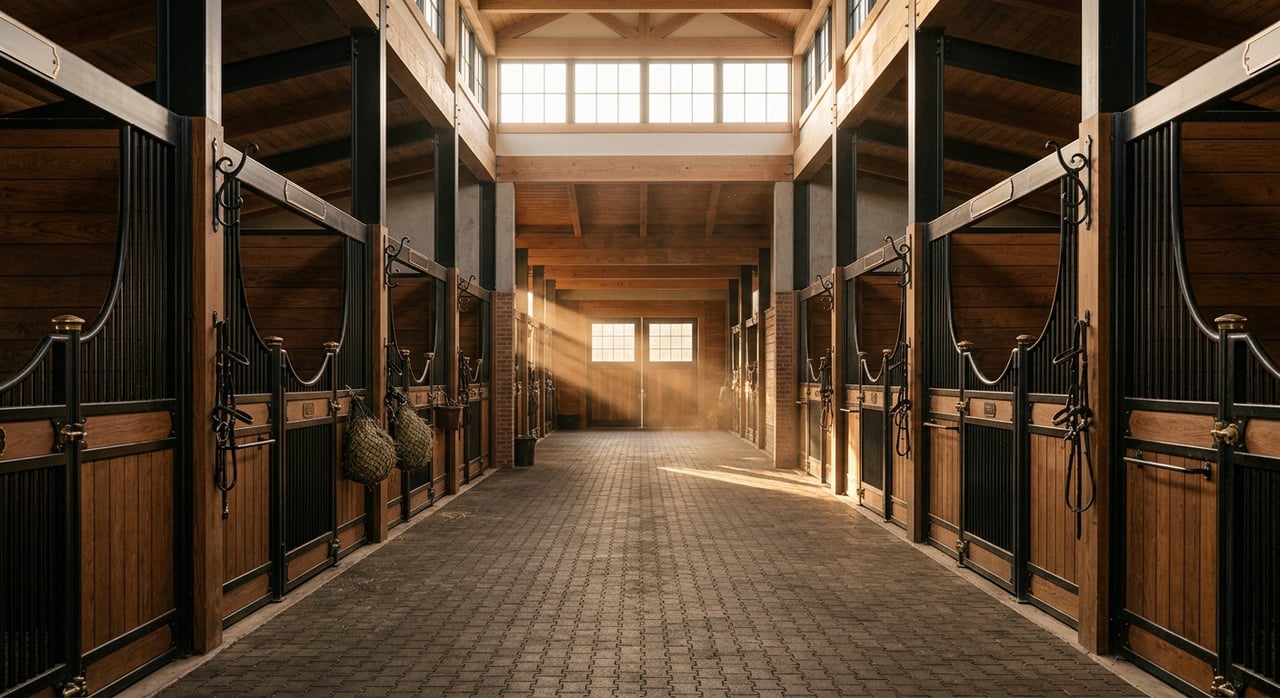
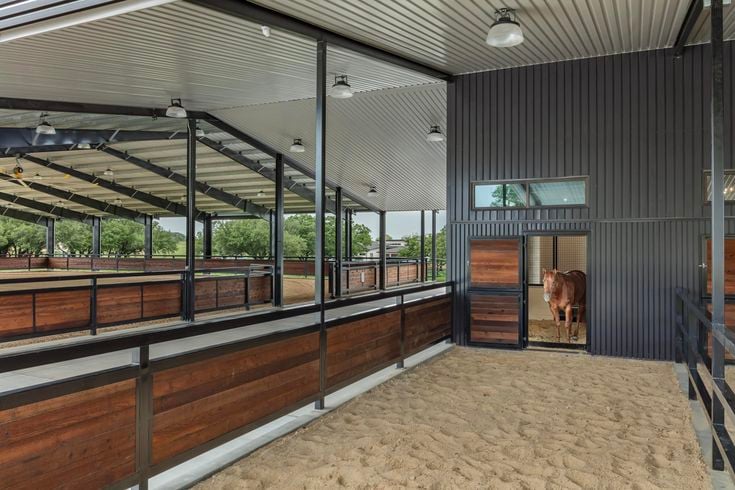
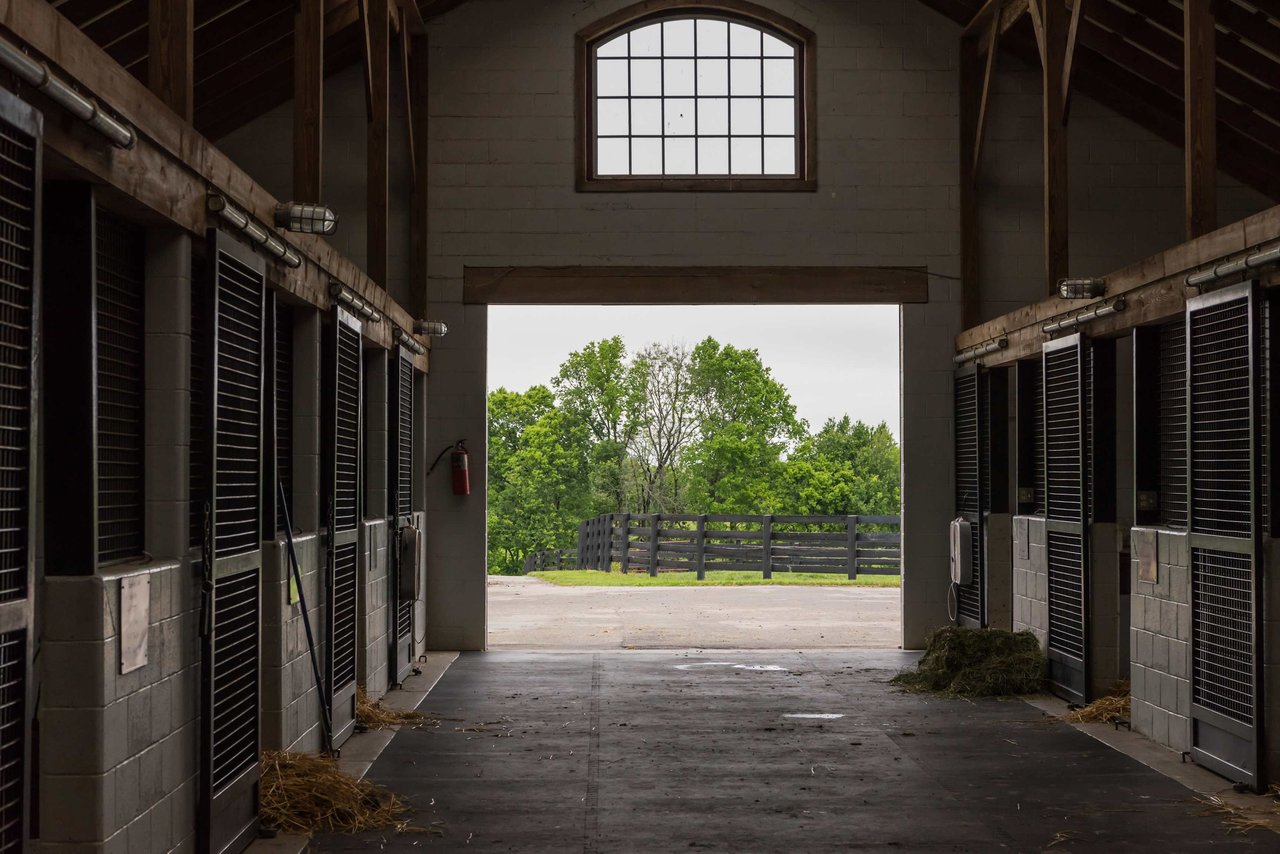
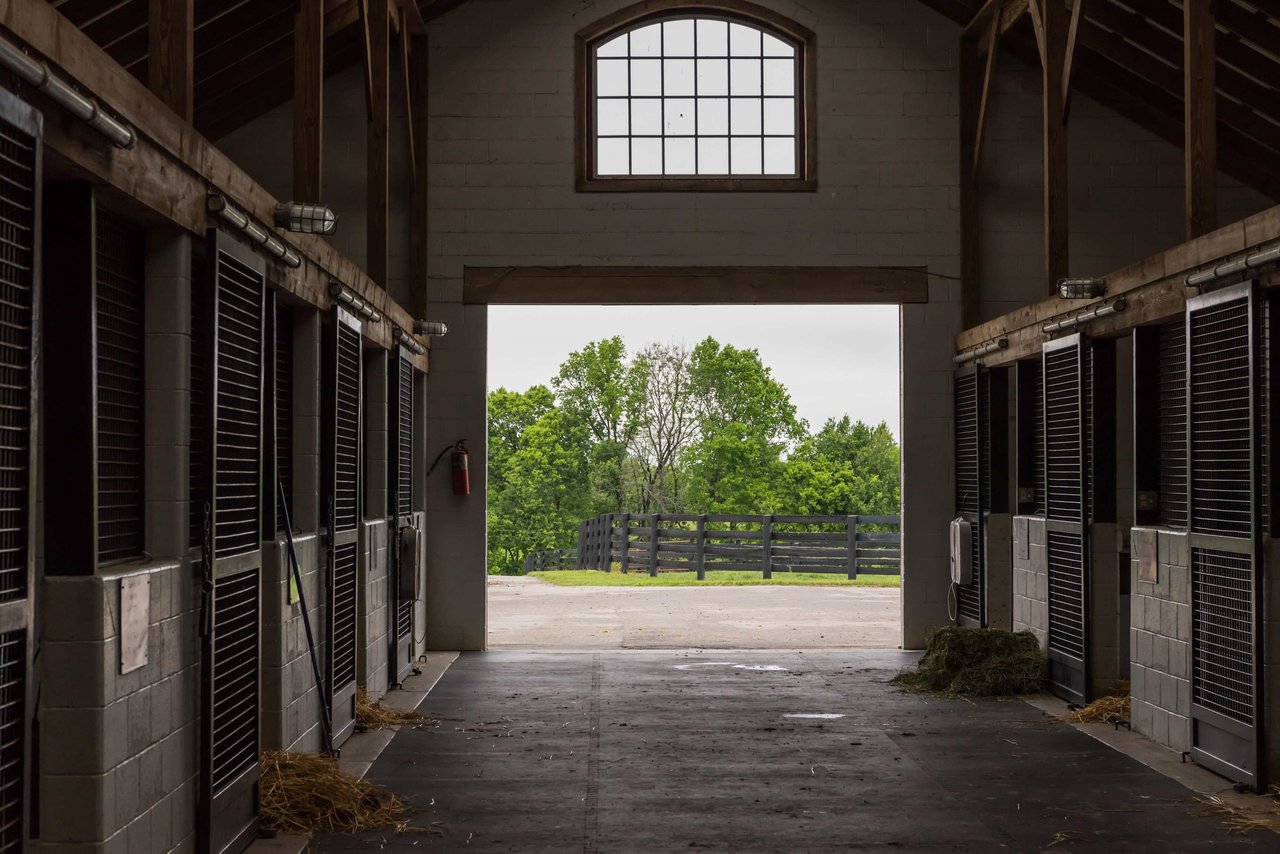
A covered arena in the $200,000 to $500,000 value range is a significant component of any Central Texas horse property. Inspect footing material depth (ideal 3 to 4 inches of compacted sand or decomposed granite over a compacted base), drainage channels under the cover, roof structure, and column condition. In Blackland Prairie areas, arena base preparation under clay soils requires engineered drainage that many older arenas lack.
The Brazos River, Navasota River, Little River, and San Gabriel River all run through Central Texas counties and create flood plain exposure that affects barn and arena placement on riverfront and near-river properties. Verify FEMA flood zone designation and ask about historical flood history before committing to any property near a drainage corridor.
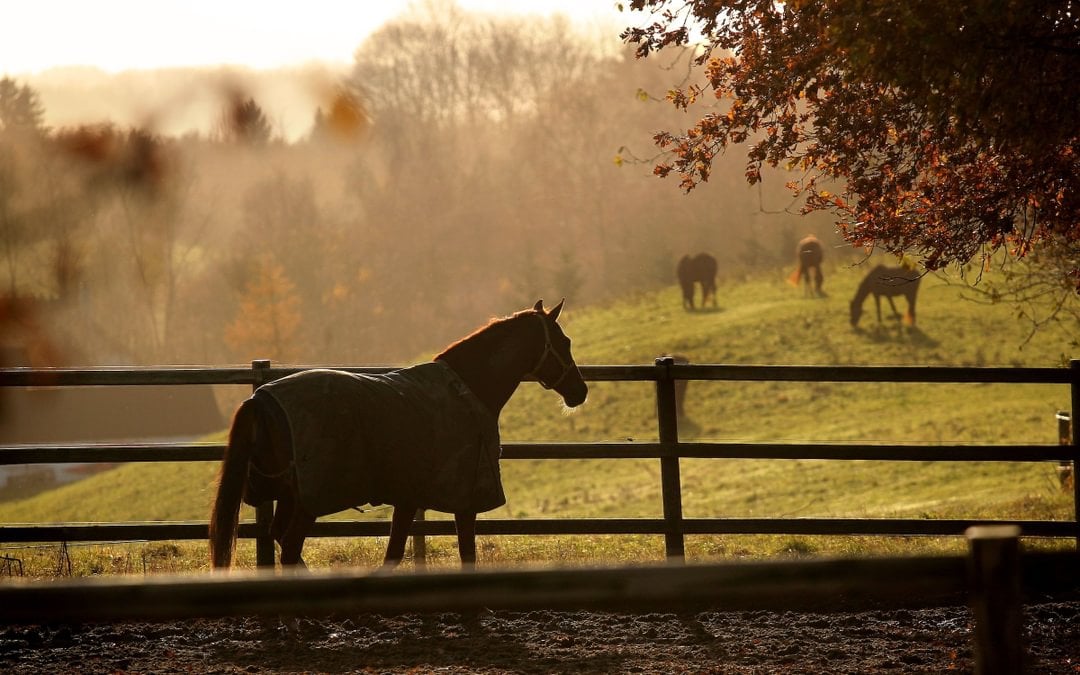
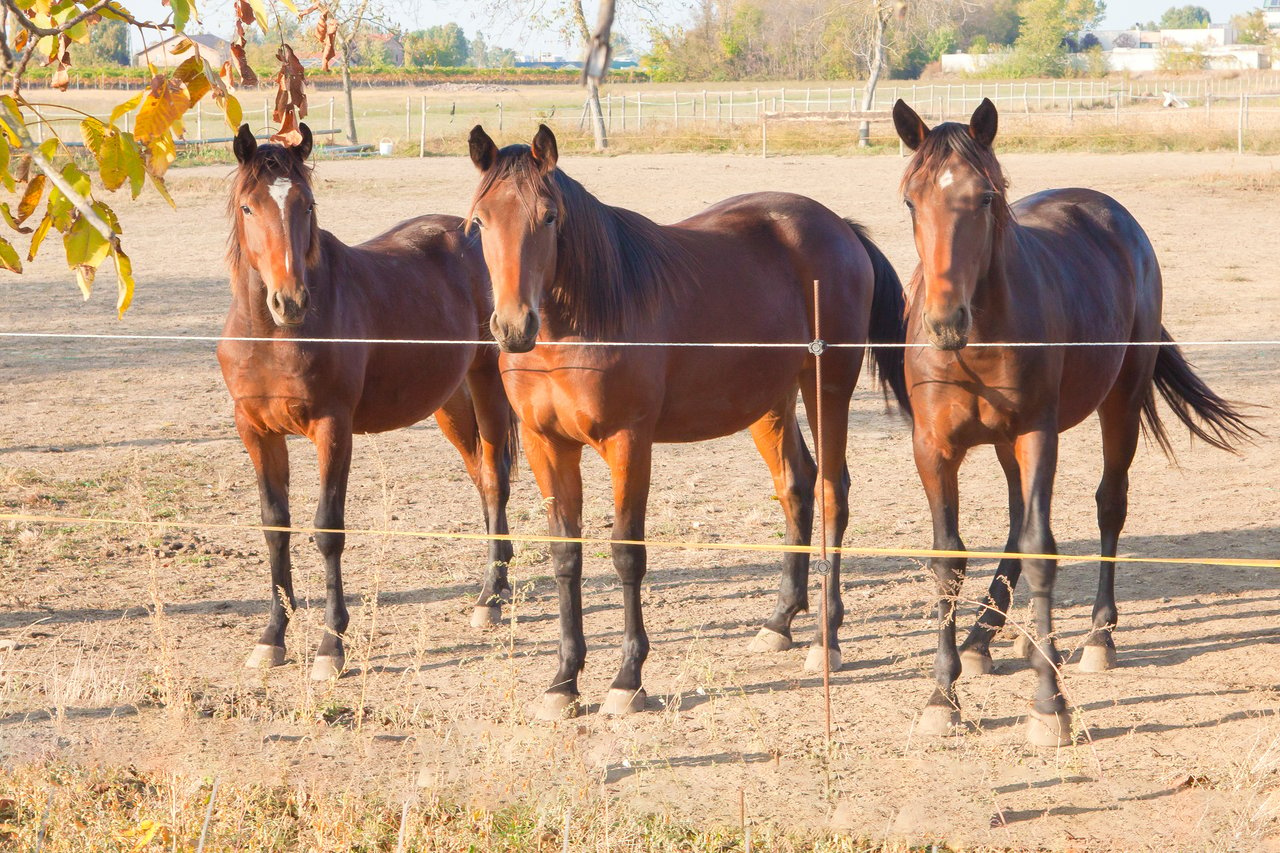
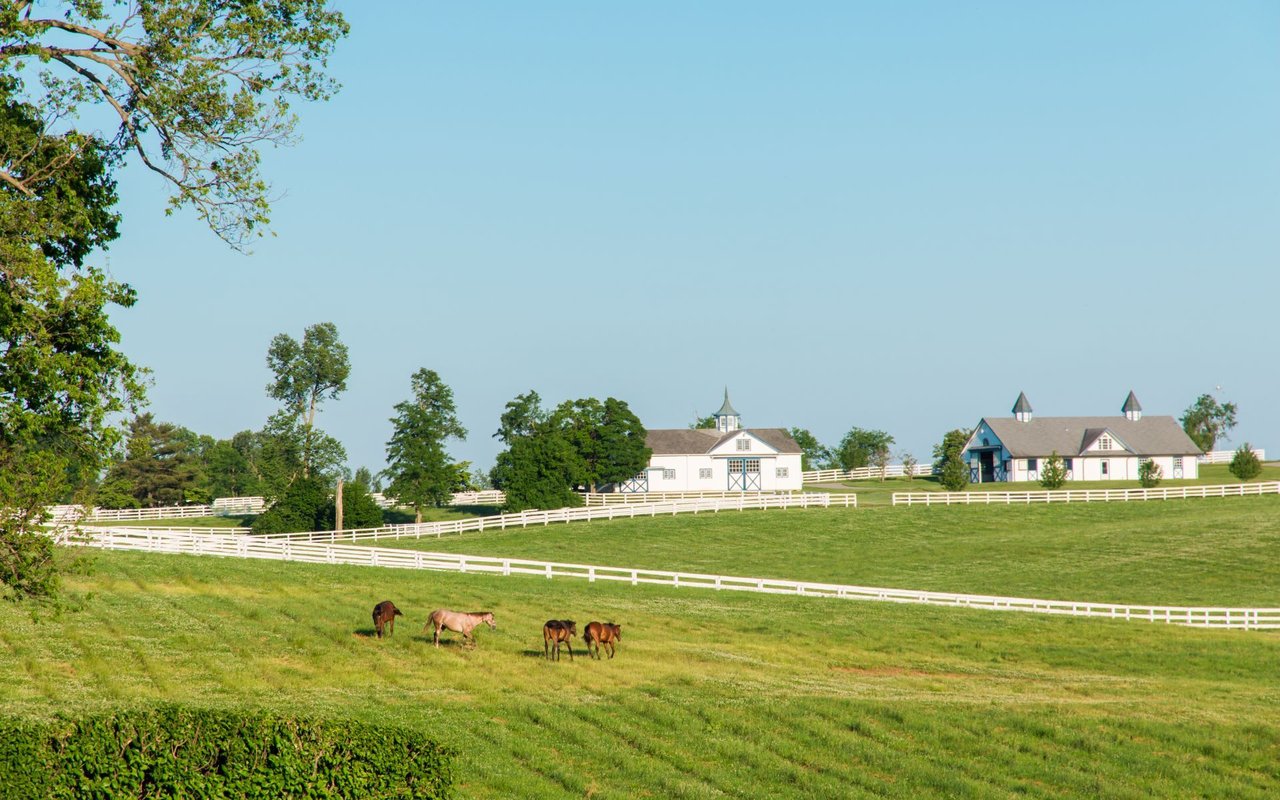
Central Texas pastures vary from native bluestem and sideoats grama in the Hill Country to improved coastal Bermuda in the eastern counties. Coastal Bermuda under proper fertilization and management can carry one horse per 1.5 acres. Native pastures in the Hill Country may require 3 to 5 acres per horse depending on rainfall year. Inspect closely — overgrazed, weed-invaded, or drought-damaged pastures require a full growing season and significant cost to restore.
College Station is home to the Texas A&M College of Veterinary Medicine, one of the premier equine veterinary programs in the country. Properties within reasonable distance of College Station have access to referral-level equine surgery, lameness evaluation, and sports medicine that buyers in more remote markets simply do not. This proximity factor has real value for buyers with performance horses or breeding operations.
Central Texas is not one of Lisa's markets. It is her market. She is based in Bryan-College Station, holds her license with Engel & Völkers Bryan College Station, and has closed transactions across Brazos, Washington, Burleson, Grimes, Madison, Leon, Robertson, Fayette, Lee, and Bastrop counties. She knows which roads flood in Robertson County, which areas in Washington County hold strong resale value, which Brazos County precincts have reliable well water at useful depth, and which arena builders in the region do work that holds up under inspection.
As a Certified Equestrian Property Specialist, Global Equestrian Advisor, and host of ADTV Selling Texas: College Station — a platform generating more than 100 million video views per quarter — Lisa brings both local expertise and national marketing reach to every Central Texas transaction. For sellers, that means your property reaches buyers across Texas and beyond who are specifically searching for equestrian land. For buyers, it means working with an agent whose equestrian industry network surfaces off-market opportunities before they reach Zillow.
For Central Texas buyers, working with Lisa means:
Local knowledge built from years of living in and showing horses across the Brazos Valley
Expert evaluation of Brazos Valley, Hill Country, and working ranch property — soil, water, arena, pasture, and infrastructure — before you commit
Access to the Texas A&M veterinary and equine science network for referrals and due diligence resources
Off-market property access through the Engel & Völkers Land and Ranch national network
National listing exposure through ADTV Selling Texas and the Engel & Völkers global platform
Central Texas horse properties — particularly those with functional infrastructure in the Brazos Valley and Washington County corridor — move fast and often before they hit the public market. The buyers who find the best properties are the ones who start the conversation early, get clear on their priorities, and work with an agent who is actively sourcing before properties list.
Call or text Lisa Bricker at (979) 446-5340, email [email protected], or fill out the contact form on this page. Tell Lisa what you are looking for — acreage, county preference, budget, infrastructure priorities, and timeline — and she will start working the network before a listing ever appears on Zillow.
College Station & Brazos County Horse Properties: 2026 Market Update
Washington County Texas Horse Properties: Brenham, Round Top & the Bluebonnet Corridor
Grimes County Horse Properties: The Hidden Gem Between Houston and College Station
Buying an Equestrian Property in College Station, Texas: Your Ultimate Local Guide
How to Successfully Sell Your Equestrian Property in College Station, Texas
Horse Properties for Sale in Brazos County: Your Complete Guide
The Ultimate Guide to Buying an Equestrian Property in Central Texas
The Hidden Costs of Owning an Equestrian Property in Central Texas
Understanding Acreage: How Much Land Do You Really Need for Horses in Central Texas?
Top 7 Features Every Central Texas Horse Owner Wants in a Property
How to Prepare Your Central Texas Equestrian Property for Sale
Texas AG Exemption for Horse Properties: What Every Buyer Needs to Know in 2026