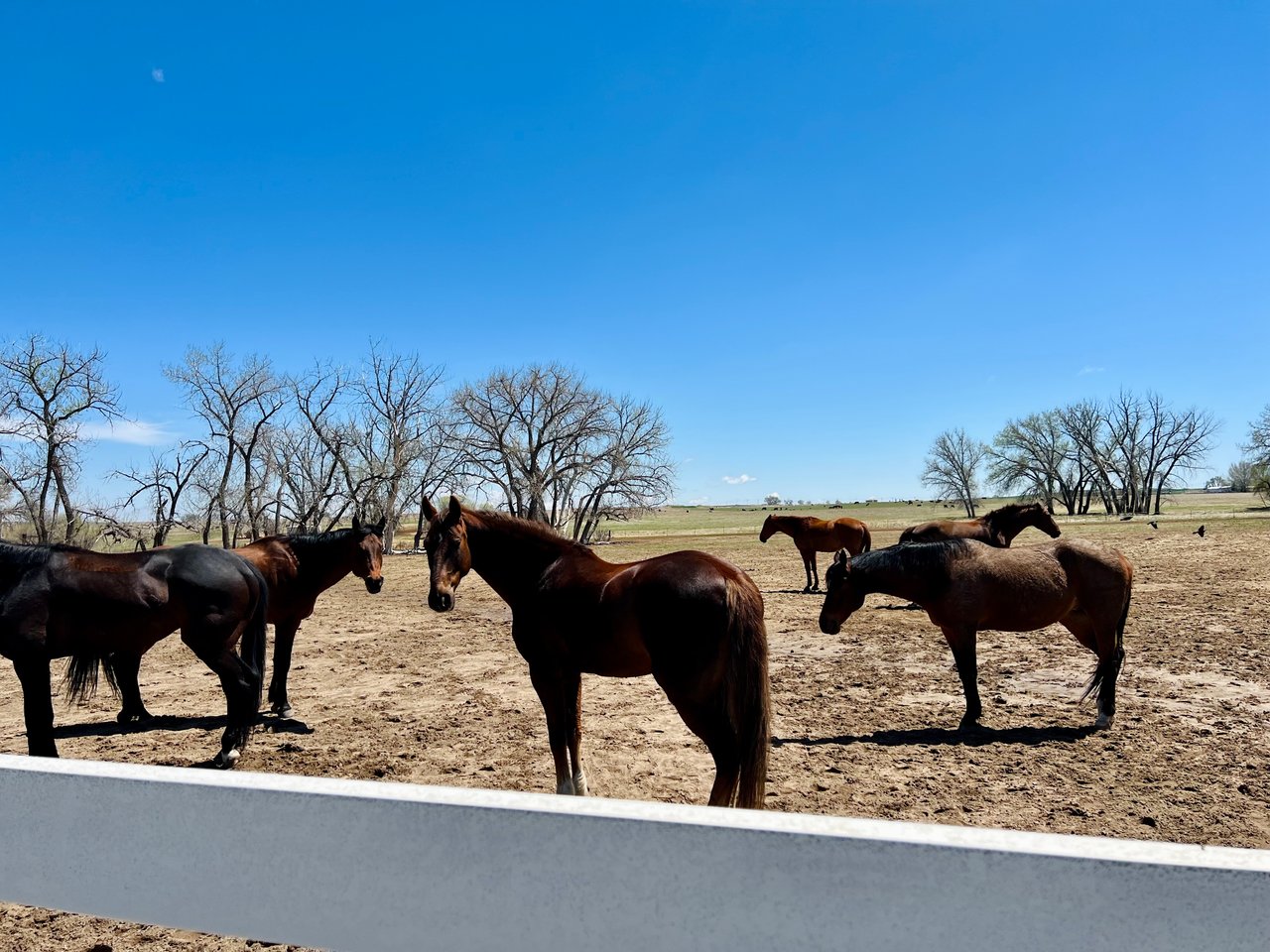
North Texas horse properties are moving faster than ever — and in 2026, serious buyers can’t afford to wait. From sprawling cutting horse ranches in Parker County to elite breeding operations in Denton County, North Texas is home to some of the most concentrated equestrian real estate markets in the entire country. Whether you’re relocating a performance horse program, expanding a breeding operation, or simply searching for the right acreage to build your dream equestrian estate, understanding this market before you make a move is everything.
Meet Your North Texas Equestrian Real Estate Specialist
Lisa Bricker isn’t just a real estate agent who happens to list horse properties — she’s a Texas horse property realtor who grew up on an equine ranch and has spent her career building expertise that most agents simply don’t have. As a Certified Equestrian Property Specialist and Global Equestrian Advisor with Engel & Völkers Land and Ranch Group, Lisa brings a level of livestock infrastructure knowledge to every transaction that goes far beyond residential comps.
You may also know her as the host of ADTV’s Selling Texas, where she showcases the best of Texas land and ranch real estate to a national audience. Lisa serves buyers and sellers across the entire Texas Triangle — including all of North Texas — and her background means she can walk a property and immediately assess barn layout, arena footing, water systems, fencing quality, and pasture management in a way that protects your investment from day one.
When you’re buying or selling equestrian property in North Texas, you want someone who has lived this life. That’s Lisa Bricker.
Top North Texas Counties for Horse Properties in 2026
North Texas offers a remarkable diversity of equestrian real estate options depending on your discipline, budget, and operational needs. Here’s a county-by-county breakdown of where the market is strongest heading into 2026.
Denton County
Denton County horse property represents some of the most sought-after equestrian real estate in the entire state. Known as the equine breeding and training capital of North Texas, Denton County is home to more than 300 large farms and ranches, with a deep concentration of Quarter Horse and Thoroughbred operations. Cutting and reining disciplines dominate the landscape here, and the infrastructure reflects it — you’ll find world-class arenas, professional-grade stabling, and properties purpose-built for high-performance horse programs.
Proximity to the NCHA and NRHA event circuits, combined with strong ag exemption opportunities and excellent highway access, makes Denton County a perennial top choice for serious equestrian buyers. Inventory moves quickly, and well-priced properties with quality improvements rarely sit long.
Parker County / Weatherford
Weatherford, Texas carries a title that means something in the horse world: the Cutting Horse Capital of the World. Parker County horse property is defined by this legacy, and the infrastructure here is extraordinary. From elite training facilities to multi-discipline show barns, Parker County has been built around the performance horse industry for decades.
Buyers looking for properties with established reputations, proven facilities, and access to a deep network of trainers, veterinarians, and farriers will find Parker County hard to beat. The community here understands horses at a professional level, and that ecosystem adds real, tangible value to every property in the area.
Wise County / Decatur
For buyers who want strong rural agricultural character and more affordable per-acre pricing, Wise County — anchored by the town of Decatur — is an increasingly attractive option. The land here is well-suited for horse operations, with rolling terrain, good grass cover, and a genuine working-ranch culture that keeps land use sensible and neighbor relations straightforward.
Wise County is an excellent entry point for buyers who are building toward a larger operation or who want maximum acreage for their budget without sacrificing the North Texas equestrian ecosystem. Ag exemptions are accessible, and the county’s rural zoning is generally horse-friendly.
Tarrant County
Not every equestrian buyer wants to be an hour from the nearest city. Tarrant County offers urban equestrian options for buyers who want proximity to Fort Worth — with all the amenities, medical access, and business infrastructure that entails — while still maintaining legitimate horse facilities on their property.
Properties in Tarrant County with horse facilities tend to command a premium, but for buyers who need to balance an equestrian lifestyle with professional or family obligations tied to the Fort Worth metro, the trade-off is often well worth it. Boarding facilities, equine veterinary clinics, and show venues are all within easy reach.
Grayson County
Grayson County is one of the most interesting emerging markets in North Texas equestrian real estate right now. Situated near the Oklahoma border, Grayson County is drawing growing interest from out-of-state buyers — particularly from Oklahoma, Kansas, and the Midwest — who are attracted by Texas land values, ag exemption structures, and the broader North Texas horse community.
Land prices in Grayson County remain competitive relative to Denton and Parker counties, and the area offers genuine rural character with improving infrastructure. For buyers willing to look slightly north of the traditional hot zones, Grayson County represents real opportunity in 2026.
What Drives North Texas Horse Property Prices in 2026
Understanding what moves the needle on price is essential before you make an offer on any equestrian property. In North Texas, the following factors consistently drive value:
- Water rights and water infrastructure — Reliable water access, stock tanks, and well capacity are non-negotiable for any serious horse operation. Properties with strong water rights command significant premiums.
- Arena quality and footing — A well-built, properly footed arena represents a major capital investment. Buyers pay for quality here, and sellers with superior arenas have real leverage.
- Barn and stabling infrastructure — Stall count, aisle width, ventilation, wash racks, tack rooms, and hay storage all factor into value. Purpose-built equestrian barns are worth far more than converted structures.
- Proximity to NCHA and NRHA events — Properties within a reasonable haul of major cutting and reining venues carry a location premium for professional trainers and competitors.
- Ag exemption status — Active agricultural exemptions dramatically reduce property tax burden and are a significant financial consideration for any buyer.
- Pasture quality and carrying capacity — Improved pastures with proper grass management, cross-fencing, and rotation capability directly affect how many horses a property can support.
- Road access and trailer turnaround — Practical logistics matter. Properties with easy trailer access and adequate turnaround space are meaningfully more functional for working horse operations.
Red Flags to Watch for When Buying North Texas Horse Properties
Not every listing that looks good on paper will hold up under scrutiny. Here are the red flags that experienced buyers — and their specialists — know to watch for:
- Flood plain exposure along Trinity River tributaries — Portions of North Texas are intersected by flood-prone creek and river systems. Always verify FEMA flood zone status and understand how flood plain designation affects both usability and insurance costs.
- Overpriced land near development corridors — As the DFW metroplex continues to expand, some sellers are pricing rural land at speculative development values that don’t reflect current equestrian utility. Know what you’re buying and why.
- Inadequate water infrastructure — A property with a beautiful barn and no reliable water source is a liability, not an asset. Verify well output, tank capacity, and water rights before proceeding.
- Deferred maintenance on arenas and barns — Footing that hasn’t been maintained, roofing issues on barns, and structural problems in stabling can represent six-figure remediation costs. Get a proper equestrian property inspection.
- Zoning and deed restriction surprises — Some parcels near growing municipalities carry deed restrictions or zoning overlays that limit livestock density or commercial horse activity. Verify before you close.
- Soil and drainage issues — Heavy clay soils common in parts of North Texas can create serious drainage problems in paddocks and arenas. Walk the property after rain if possible.
Why You Need a Horse Property Specialist, Not Just a Realtor
Here’s the reality: most real estate agents can read a listing sheet. Very few can walk a 50-acre equestrian property and tell you whether the arena footing is going to cost you $40,000 to fix, whether the barn ventilation is adequate for a Texas summer, or whether the water system can actually support 30 horses through a drought year.
When you’re searching for equestrian property in North Texas, you need someone who understands the full picture — not just the residential comps. Lisa Bricker brings that expertise to every transaction. She evaluates livestock infrastructure the way a seasoned horseperson would: critically, practically, and with a clear understanding of what things actually cost to build, maintain, and repair.
For buyers searching horse farms for sale in North Texas, working with a specialist like Lisa means you’re not just getting a transaction coordinator — you’re getting a trusted advisor who can help you avoid costly mistakes and identify genuine value that a generalist agent would walk right past. The difference between a good equestrian property purchase and a great one often comes down to who’s in your corner during due diligence.
If you’re serious about equestrian property in North Texas, work with someone who is equally serious about horses.
How to Search North Texas Horse Properties
Searching for the right horse property in North Texas requires a more disciplined approach than a typical residential home search. Here’s what to keep in mind:
- Establish your acreage minimums early — Determine how many horses you’ll be running and work backward from carrying capacity. A general rule of thumb is 1.5 to 2 acres per horse for improved pasture in North Texas conditions, plus additional acreage for facilities, turnout, and buffer.
- Understand ag exemption requirements — Texas ag exemptions require active agricultural use and a minimum acreage threshold that varies by county. Confirm exemption status and continuity requirements before closing.
- Verify zoning for your intended use — If you plan to operate a training facility, boarding operation, or breeding program, confirm that the property’s zoning and any applicable deed restrictions permit commercial equestrian activity.
- Prioritize water infrastructure in your evaluation criteria — Don’t treat water as an afterthought. It’s the single most important operational input for any horse property.
- Work with a specialist from the start — The best North Texas horse properties often sell before they’re widely marketed. A specialist with deep market relationships will know about opportunities before they hit the public portals.
- Budget for improvements — Even well-maintained equestrian properties typically require some level of customization for a new owner’s program. Build improvement costs into your offer strategy.
Ready to Find Your North Texas Horse Property?
If you’re serious about buying or selling equestrian real estate in North Texas, the next step is a conversation with someone who knows this market from the ground up — literally. Lisa Bricker is ready to help you navigate the 2026 North Texas horse property market with the expertise, network, and hands-on knowledge that only comes from a lifetime in the horse industry.
Reach out to Lisa directly at lisamariebricker.com or call (979) 446-5340. Whether you’re searching for a world-class cutting horse facility in Parker County, a breeding operation in Denton County, or an emerging opportunity in Grayson County, Lisa has the expertise to help you find it, evaluate it, and close it with confidence.
Your North Texas horse property is out there. Let’s find it.