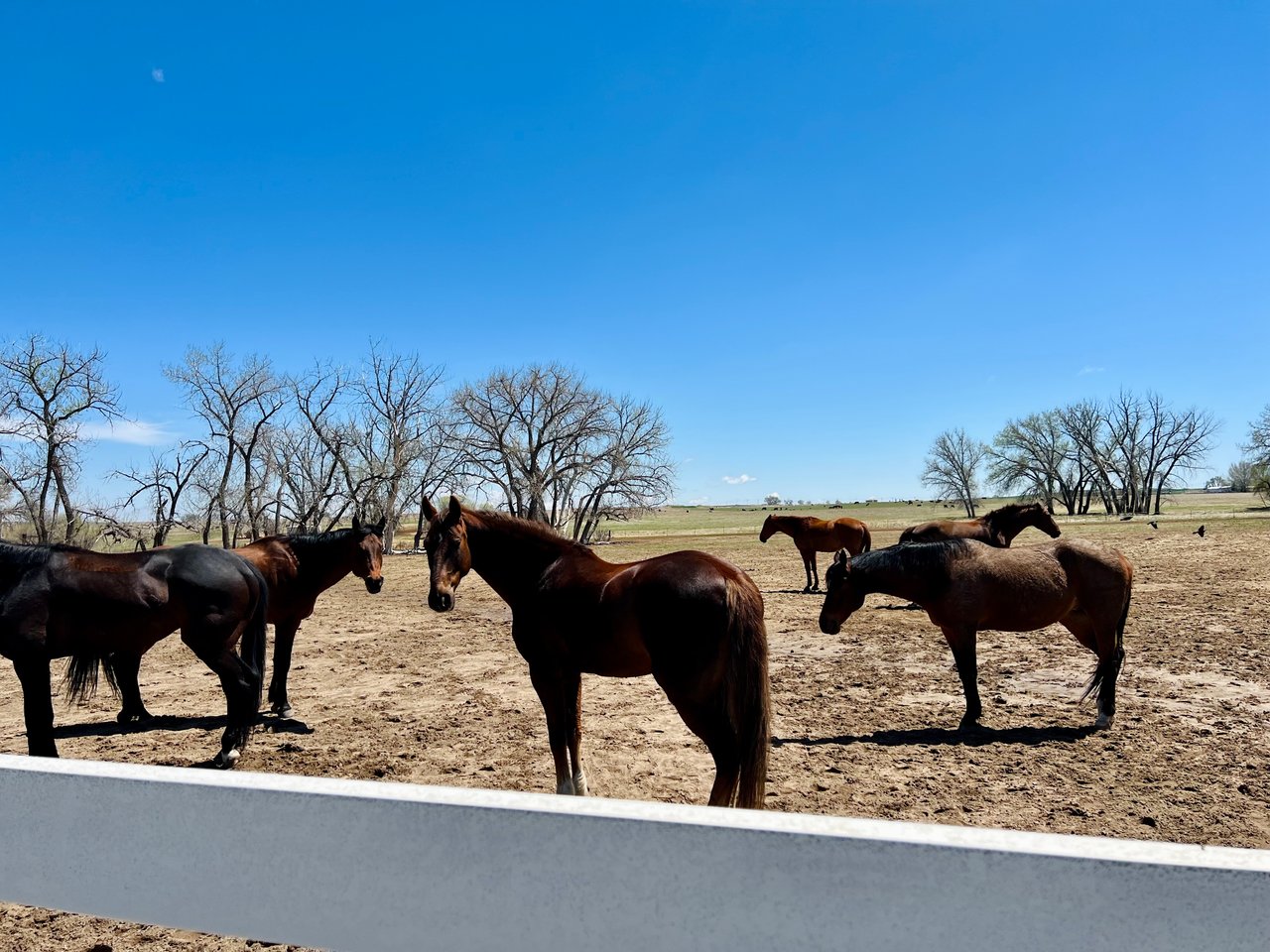
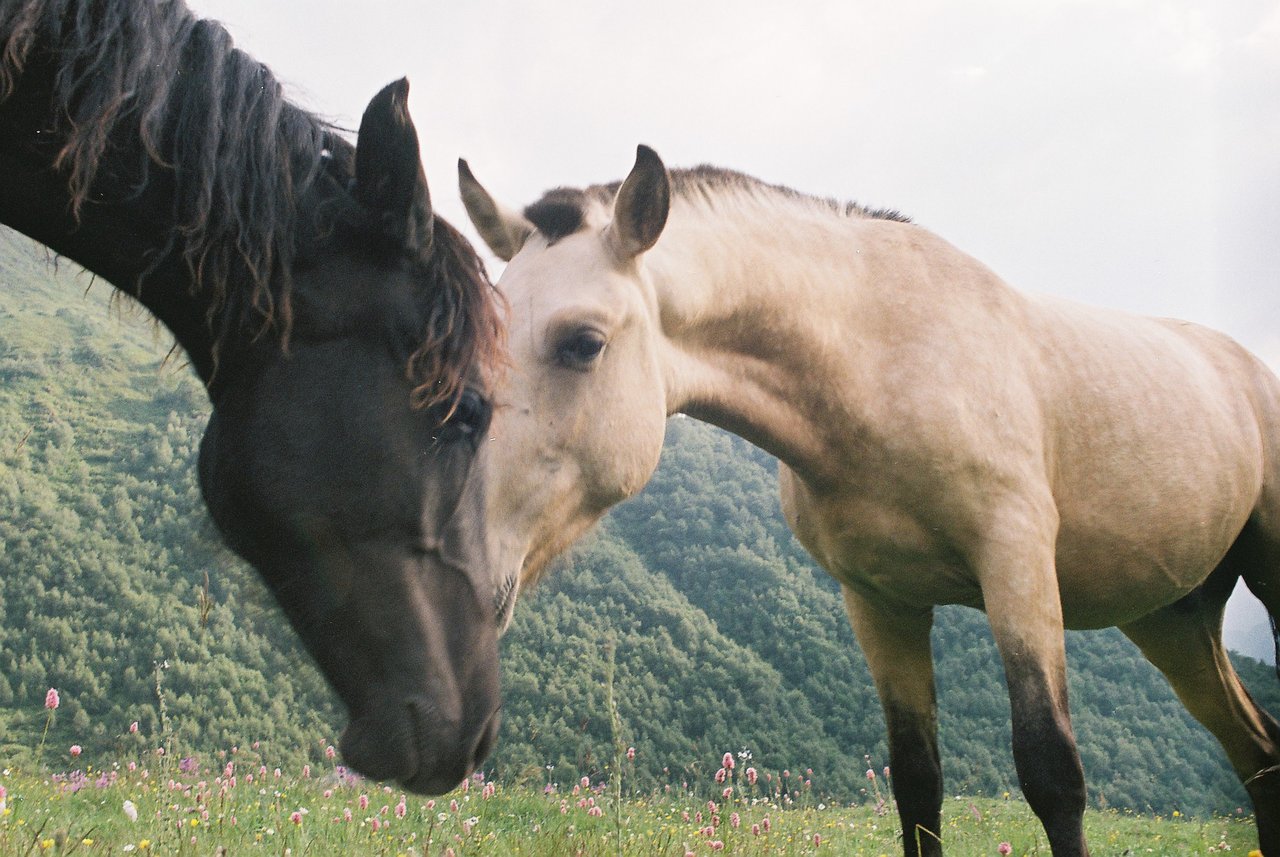
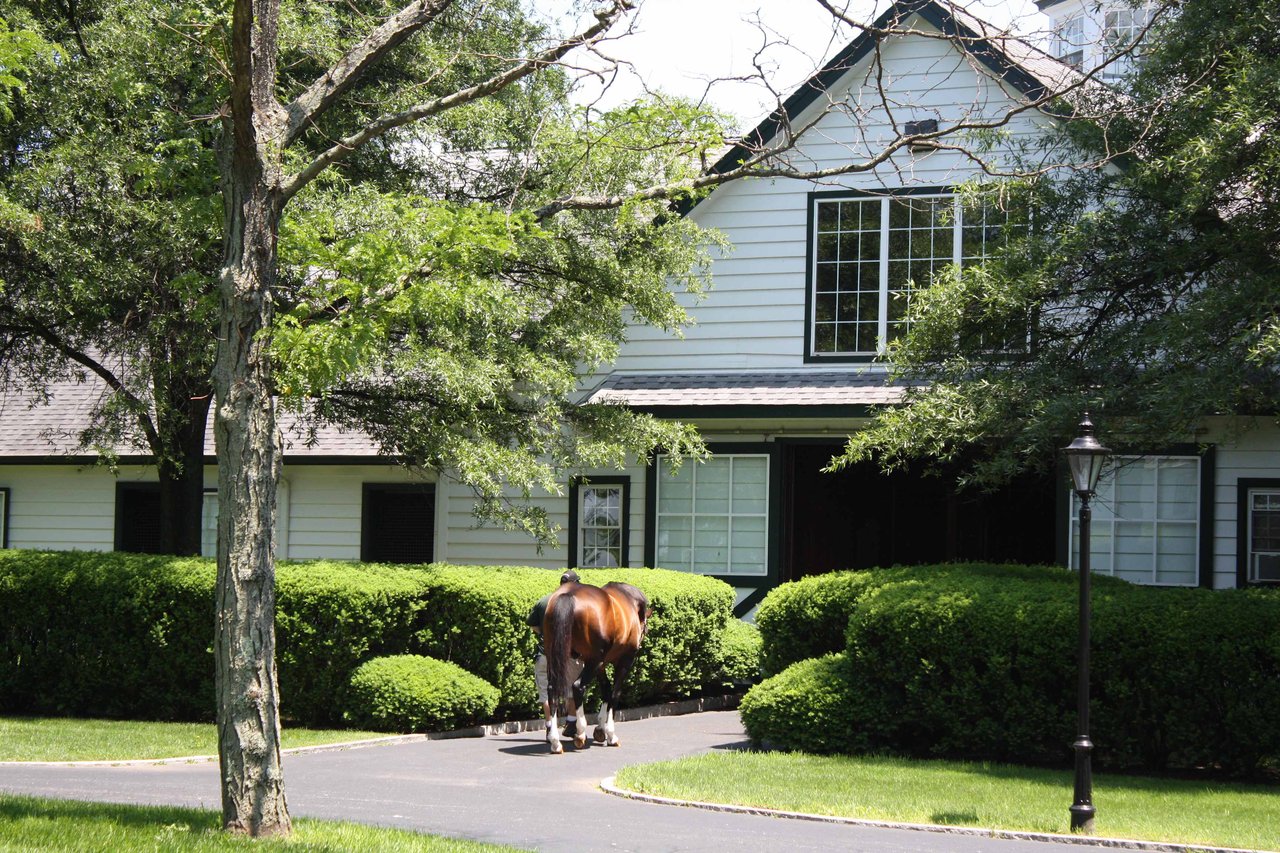
As a Certified Equestrian Property Specialist and Global Equestrian Advisor with E&V Land and Ranch, Lisa Bricker works with buyers and sellers across North Texas
North Texas is one of the most active equestrian real estate markets in the country — and for good reason. With rolling cross-timbers terrain, established horse communities, competitive show circuits, and direct access to the NRHA, AQHA, and barrel racing scene, this region draws buyers from across the state and beyond. Whether you're searching for a turn-key training facility in Parker County, a quiet ten-acre ranchette in Grayson County, or raw land to build your dream equestrian setup in Wise County, North Texas horse properties offer something no other Texas market can match: genuine horse country, close to everything.
The Will Rogers Memorial Center in Fort Worth, the Denton County agricultural facilities, and the private show grounds throughout Parker and Grayson counties put competitors within easy driving distance of AQHA, NRHA, and barrel racing events year-round.
Towns like Pilot Point (one of AQHA's founding areas), Weatherford (the cutting horse capital), and Whitesboro have generational horse culture built into the land. Neighbors understand livestock. AG exemptions are achievable. Veterinary specialists, farriers, and feed stores are part of the infrastructure.
North Texas horse properties start well under $500,000 for functional smaller acreage and scale through multi-million-dollar ranch estates. The price-per-acre for productive horse land here competes favorably with Central Texas equivalents.
Properties 30 to 60 miles north of the Metroplex offer rural horse country pricing while keeping buyers connected to major airports, hospitals, and commercial centers.
Inventory in the most desirable North Texas horse property corridors — especially Grayson, Parker, and Denton counties — moves fast. Working with an agent who actively sources off-market properties is no longer optional; it's essential.
Grayson County sits at the heart of North Texas horse country, with Whitesboro anchoring one of the region’s most established equestrian and performance-horse corridors. Stretching north toward Lake Texoma and the Oklahoma border, the area is known for horse properties, training facilities, breeding operations, and ranches ranging from smaller acreage tracts to large professional equestrian facilities with covered arenas, multiple barns, pastures, and commercial infrastructure.
The county’s rolling terrain, native grasses, mature tree cover, and proximity to major North Texas horse communities make it especially attractive to equestrians looking for room to train, ride, breed, or operate a professional horse business.
What to know before you buy in Grayson County: water availability and well production should be evaluated property by property, soil composition and drainage can vary throughout the county, and floodplain considerations are important near the Red River and its tributaries. Agricultural valuations are common on qualifying acreage, but buyers should verify the current status and requirements for each property.
Cooke County is a major part of the North Texas horse-country corridor, with Gainesville and Valley View offering convenient access to established equestrian communities throughout North Texas and southern Oklahoma. Horse properties in the area range from smaller acreage and private equestrian estates to working ranches, breeding operations, and professional training facilities with barns, arenas, pastures, and additional horse infrastructure.
Gainesville serves as a regional hub, while Valley View provides convenient access to the I-35 corridor and the neighboring horse communities of Pilot Point, Aubrey, and Denton County. Together, these markets make Cooke County an attractive location for recreational horse owners, competitors, trainers, breeders, and buyers seeking acreage within reach of the Dallas-Fort Worth Metroplex.
What to know before you buy in Cooke County: evaluate water sources, soil and drainage, fencing, pasture quality, arena suitability, and existing agricultural valuation status for each property. Buyers considering professional equestrian operations should also evaluate access for trucks and trailers, facility layout, utilities, and any applicable land-use restrictions.
Denton County has earned the nickname "America's Horse Country" and backs it up with the highest concentration of AQHA-registered horses of any county in the United States. Pilot Point, just north of Lake Ray Roberts, has been at the center of the Quarter Horse world for decades. Aubrey and Cross Roads offer a blend of newer development and established horse properties as DFW expansion pushes northward — making timing important for buyers who want rural character before the build-out catches up.
Key buying considerations in Denton County: proximity to Ray Roberts Lake State Park offers trail access that adds real value to nearby properties; soil quality in the Pilot Point corridor is excellent for grazing; and the county's growth pressure means rural-feeling parcels with good road frontage are appreciating steadily.
Weatherford, Texas is synonymous with cutting horses. The town produced more NCHA World Champions than any other in the country, and that legacy lives in the land — working facilities, covered arenas, and commercial training operations are concentrated here in a way you won't find elsewhere in Texas. Parker County properties tend to run larger, with more commercial-grade infrastructure, and buyers often come pre-qualified for the lifestyle and the price point.
Weatherford is also where the terrain shifts dramatically: limestone-topped ridges, cedar breaks, and creek-fed pastures define the look and feel. Water rights and well production matter greatly here; so does the condition and construction quality of any existing arena or barn, since commercial-grade facilities represent a significant portion of property value.
Collin County sits northeast of Dallas and has absorbed a wave of luxury equestrian buyers who want premium finishes, strong school districts, and horse-ready land without sacrificing Metroplex proximity. Properties here are smaller than in Grayson or Parker counties but tend to come more finished — irrigated arenas, climate-controlled tack rooms, and architecturally significant homes are not unusual. Expect to pay a premium for the convenience and the community.
Fort Worth earned its "Cowtown" identity generations ago and still backs it up. The Will Rogers Memorial Center hosts some of the biggest AQHA and cutting horse events in the country, and the established equestrian neighborhoods west of Fort Worth — particularly in the 76126 and 76135 zip codes — offer a rare combination of city convenience and genuine horse infrastructure. Buyers here often prioritize arena access, proximity to veterinary specialists, and maintained pasture within easy reach of the Stockyards and the cultural amenities of Fort Worth proper.
Wise County is the underappreciated choice for North Texas horse buyers who want more land for less money. Decatur anchors the county seat, and the land rolling west toward Montague County and east toward Denton County offers some of the best value-per-acre for genuine ranch-scale properties. Native grass pastures, working cattle and horse operations, and large recreational ranches define the inventory. If you're looking for 50 acres or more without paying Parker County prices, Wise County deserves serious consideration.
Montague County is North Texas ranch country at its most authentic. Spanish Fort, Saint Jo, and Bowie anchor a county defined by red dirt, mesquite, and wide horizons. Properties here run large — 100 acres and up is not uncommon — and the buyer profile tends to be ranch operators, recreational hunters, and buyers seeking true privacy and productive agricultural land. Infrastructure is more limited than in the suburban counties, which is exactly what many buyers are looking for.
Counties: Collin, Dallas, Denton, Ellis, Erath, Hood, Hunt, Johnson, Kaufman, Navarro, Palo Pinto, Parker, Rockwall, Somervell, Tarrant, Wise
Anchor cities: Weatherford (Parker County), Pilot Point, Aubrey, and Denton (Denton County), Fort Worth (Tarrant County), Stephenville (Erath County), Granbury (Hood County), Decatur (Wise County), Prosper and Celina (Collin County), Granbury (Hood County)
This is the core of the North Texas horse property market and the center of gravity for performance horse real estate in the United States.
Parker County and Weatherford are the defining addresses of the North Texas cutting and reining world. Weatherford's concentration of elite training operations, commercial breeding programs, commercial boarding facilities, and supporting equestrian infrastructure is without parallel anywhere in the country. Properties here range from 10-acre boutique training operations near the city to multi-hundred-acre working ranches in the county's rural precincts. Land prices reflect the premium: Parker County commands some of the highest per-acre prices in rural Texas, and the inventory-to-demand ratio consistently favors sellers.
Denton County is anchored by the AQHA's global headquarters in Pilot Point, which has made this county the organizational center of the American Quarter Horse world. The communities of Pilot Point, Aubrey, Krum, Sanger, and Collinsville have developed around this identity, and the buyer profile skews toward serious performance horse owners, breeders, and trainers who want to be within striking distance of the AQHA and the DFW show circuit simultaneously. Denton County's proximity to the DFW metro also attracts executive buyers who commute to Dallas or Fort Worth and want 20-plus-acre horse properties accessible via the Dallas North Tollway or US-377 corridor.
Tarrant County and Fort Worth anchor the western DFW metro's equestrian identity. Will Rogers Memorial Center hosts major cutting, reining, and stock horse events throughout the year. The Fort Worth Stock Show and Rodeo in January is one of the most attended livestock events in the United States and reinforces the city's deep agricultural heritage. Horse properties within Fort Worth's western precincts and along the Weatherford corridor offer suburban amenity access alongside genuine horse-keeping capability.
Collin County (Prosper, Celina, McKinney) represents the luxury end of the North Texas equestrian market. Collin County's northern suburbs have attracted high-net-worth buyers from Dallas seeking curated equestrian estates — custom arena builds, irrigated turnout paddocks, European-style barn construction, and manicured pastures — with top-ranked school districts and proximity to DFW International Airport. This is premium positioning, and prices reflect it.
Erath County and Stephenville are called the "Cowboy Capital of the World" for reasons that extend well beyond the marketing slogan. Tarleton State University's rodeo program produces working cowboys and horsewomen who stay in the region. The community's connection to the land runs genuinely deep, and equestrian properties here — working facilities, active training operations, genuine ranch land — trade at prices that the inner suburban counties cannot approach. Buyers who want authentic North Texas horse country without the Parker County premium consistently find their answer in Erath County.
Hood County (Granbury) and Palo Pinto County offer cross-timbers terrain with lake-adjacent character. Lake Granbury and Possum Kingdom Lake create lifestyle buyer demand for properties combining equestrian use with waterfront access. These counties attract buyers from Fort Worth and the broader DFW area who want the cross-timbers aesthetic within 90 minutes of the city.
Wise County (Decatur, Sunset) occupies the ranch corridor northwest of Fort Worth. Lower prices per acre than Parker or Denton, genuine cross-timbers terrain, and working agricultural character make Wise County one of the North Texas market's most consistent value plays for buyers seeking 20 to 100-acre properties with established infrastructure at mid-range prices.
Counties: Cooke, Fannin, Grayson
Anchor cities: Gainesville (Cooke County), Whitesboro, Sherman, and Denison (Grayson County), Bonham (Fannin County)
The three Texoma counties sit at the northern edge of North Texas along the Red River and the Oklahoma border. The defining geographic feature is Lake Texoma — one of the largest reservoirs in the United States — which straddles the Texas-Oklahoma border in Grayson County and generates lifestyle buyer demand for lake-adjacent acreage across the corridor.
Grayson County (Whitesboro, Collinsville, Pottsboro, Sherman) is the Texoma zone's most active horse property market. Whitesboro and Collinsville have established equestrian communities with good infrastructure: barns, arenas, and improved pasture within reach of the US-82 corridor. The terrain transitions from post oak and cross-timbers in the south to red dirt bottomland near the Red River. Prices here are meaningfully below equivalent properties in Parker or Denton counties — which draws buyers from the DFW metro willing to accept a longer commute for more land per dollar.
Cooke County (Gainesville, Valley View, Lake Kiowa) sits on the western edge of the Texoma zone. Valley View's cross-timbers terrain and Gainesville's position on I-35 make it a natural waypoint for buyers commuting between the DFW metro and the Oklahoma border. Lake Kiowa (a private lake community in Cooke County) attracts lifestyle buyers seeking lake and horse property combinations. Cross Timbers terrain prevails, with cedar, live oak, and sandy loam that drains well by North Texas standards.
Fannin County (Bonham, Honey Grove) is the quietest of the three Texoma counties for horse property activity but offers some of the most affordable land in the North Texas region. The terrain is flatter than the cross-timbers counties to the west, with more Blackland Prairie influence. Buyers seeking large acreage at the lowest entry price point in North Texas consistently look at Fannin County as a starting point.
What to know: The Texoma zone's primary appeal for horse property buyers is the combination of affordable land and the DFW lifestyle driver — buyers who cannot afford Parker or Denton county prices but want to remain within the North Texas equestrian community. Properties with quality infrastructure sell competitively; bare land sits longer. The border location also attracts buyers from southern Oklahoma who want Texas property without leaving the cultural community they know.
Counties: Archer, Baylor, Clay, Cottle, Foard, Hardeman, Jack, Montague, Wichita, Wilbarger, Young
Anchor cities: Wichita Falls (Wichita County), Jacksboro (Jack County), Bowie and Nocona (Montague County), Vernon (Wilbarger County), Graham (Young County), Henrietta (Clay County)
The Nortex region is authentic Texas ranch country. Where the DFW belt is suburban and the Texoma corridor is transitional, the 11 counties of the Nortex region are open, rural, and shaped by ranching culture that predates the petroleum industry. The terrain shifts from cross-timbers cedar and post oak in the south and east to rolling mesquite plains and red clay openings in the north and west — wide sky, working windmills, and cattle on every pasture.
Wichita County (Wichita Falls) anchors the zone commercially. Wichita Falls is the largest city in this region and provides medical, commercial, and professional services for the surrounding rural counties. Horse property buyers who need city infrastructure but want authentic ranch land at non-suburban prices often land in Wichita County or the adjacent counties.
Wilbarger County (Vernon) carries special significance in the Quarter Horse world. Vernon and the surrounding area have deep Quarter Horse breeding and racing heritage — this is working ranch horse country in the most traditional sense, where horses have been working cattle since before the state existed. Buyers seeking authentic working cow horse or ranch horse operations find the Nortex region's culture genuinely matches their horses' job description.
Jack County (Jacksboro) and Young County (Graham) sit at the southeastern edge of the Nortex zone, transitioning into the cross-timbers terrain that connects this zone to the DFW belt. Properties here tend to be larger working operations — 50 to 500-plus acres — with multiple pastures, functional working facilities, and the kind of infrastructure that comes from genuine agricultural use rather than suburban build-out.
Montague County (Nocona, Bowie) has historically attracted buyers from the DFW metro seeking larger properties at lower prices. The county sits at the junction of the DFW performance horse world and the Nortex ranch world, which gives it a distinctive dual market character. Buyers here range from retired performance horse professionals seeking retirement ranch properties to working ranchers moving up in acreage.
What to know: Nortex region properties are priced well below equivalent DFW belt properties and offer significantly more acreage per dollar. The trade-off is distance from the performance horse show circuit and from major commercial and veterinary centers. Buyers who are lifestyle-focused rather than show-circuit-focused, or who are in a life stage where competition travel is less frequent, consistently find the Nortex region delivers the best land value in North Texas.
North Texas sits above the Woodbine and Trinity aquifers, but well production varies significantly by location. A well producing less than 5 gallons per minute creates real risk for a working horse operation. Get a well report, and if one doesn't exist, negotiate for a test.
The cross-timbers region east of the Palo Pinto Mountains has sandy loam soils that drain well — good for arenas and pasture. Move toward clay-heavy soils in the Blackland Prairie zone (further east) and you'll deal with heavy footing, compaction, and drainage issues that affect arena usability year-round.
Properties near the Red River, Trinity River tributaries, and Lake Texoma spillways carry flood risk. Run an FEMA flood zone check before committing, especially for properties with barns or arenas in low-lying areas.
Texas AG exemption in North Texas counties can reduce property tax by 50 to 80 percent on qualifying land. Requirements vary: Parker County requires documented livestock or agricultural production on a minimum of 10 acres; Denton County has active review processes given suburban development pressure. Verify current AG exemption status, the qualification basis, and the rollback tax amount for any property you are considering. In high-growth counties like Collin and Denton, rollback exposure can be substantial.
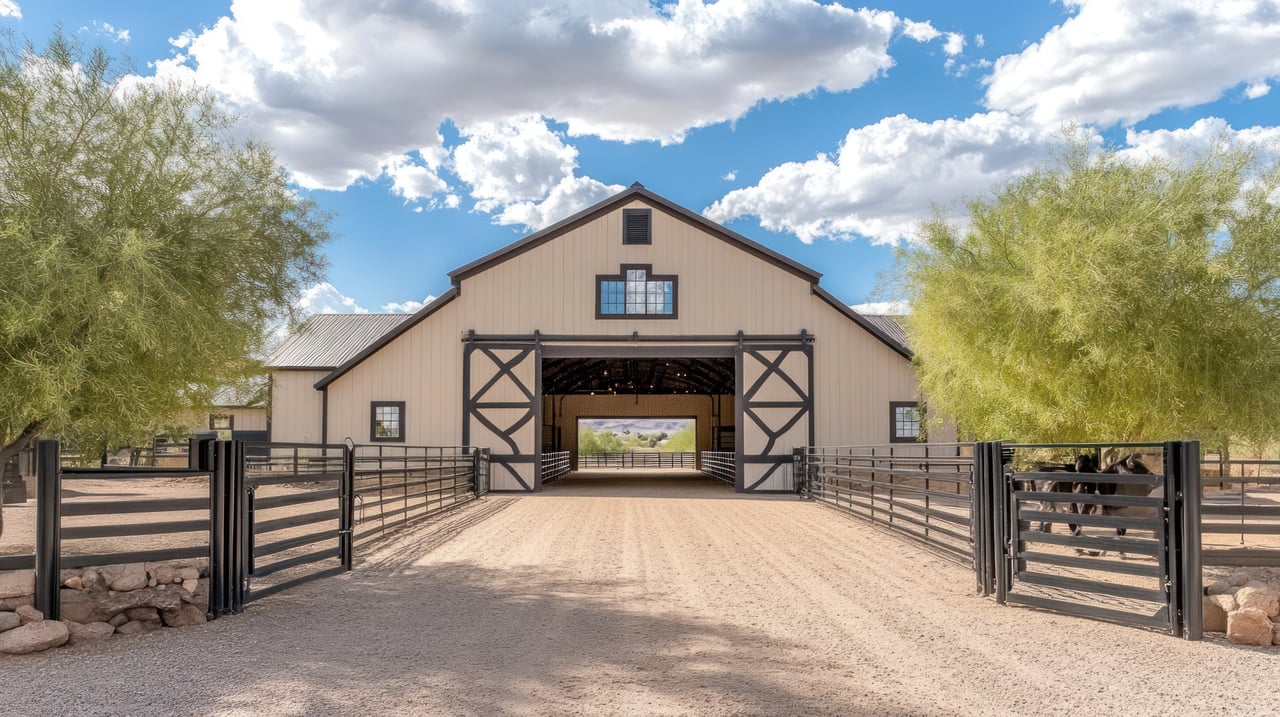
A covered arena in the $200,000 to $500,000 value range is often the single most significant component of a North Texas horse property. Inspect footing depth and composition (ideal 3 to 4 inches of sand or decomposed granite), base compaction quality, drainage engineering, roof structure and column condition, and footing consistency across the entire arena. In Blackland Prairie areas, base engineering under clay soils is critical and expensive to correct after purchase.
Cross-timbers native pasture in North Texas can carry one horse per 2 to 3 acres under normal rainfall. Improved coastal Bermuda under proper management in more productive counties can approach 1.5 acres per horse. Overgrazing is widespread in high-demand areas — inspect pastures carefully for weed invasion, bare soil, and erosion on any property that has carried horses at high density.
For performance horse buyers, driving distance to the show pen matters at a practical level. Map the distance from any property you are considering to your primary event venues — whether that is the Will Rogers Memorial Center in Fort Worth, the NCHA offices in Dallas, or the Lazy E Arena in Guthrie, Oklahoma. The difference between a 20-minute haul and a 90-minute haul compounds over a competition season.
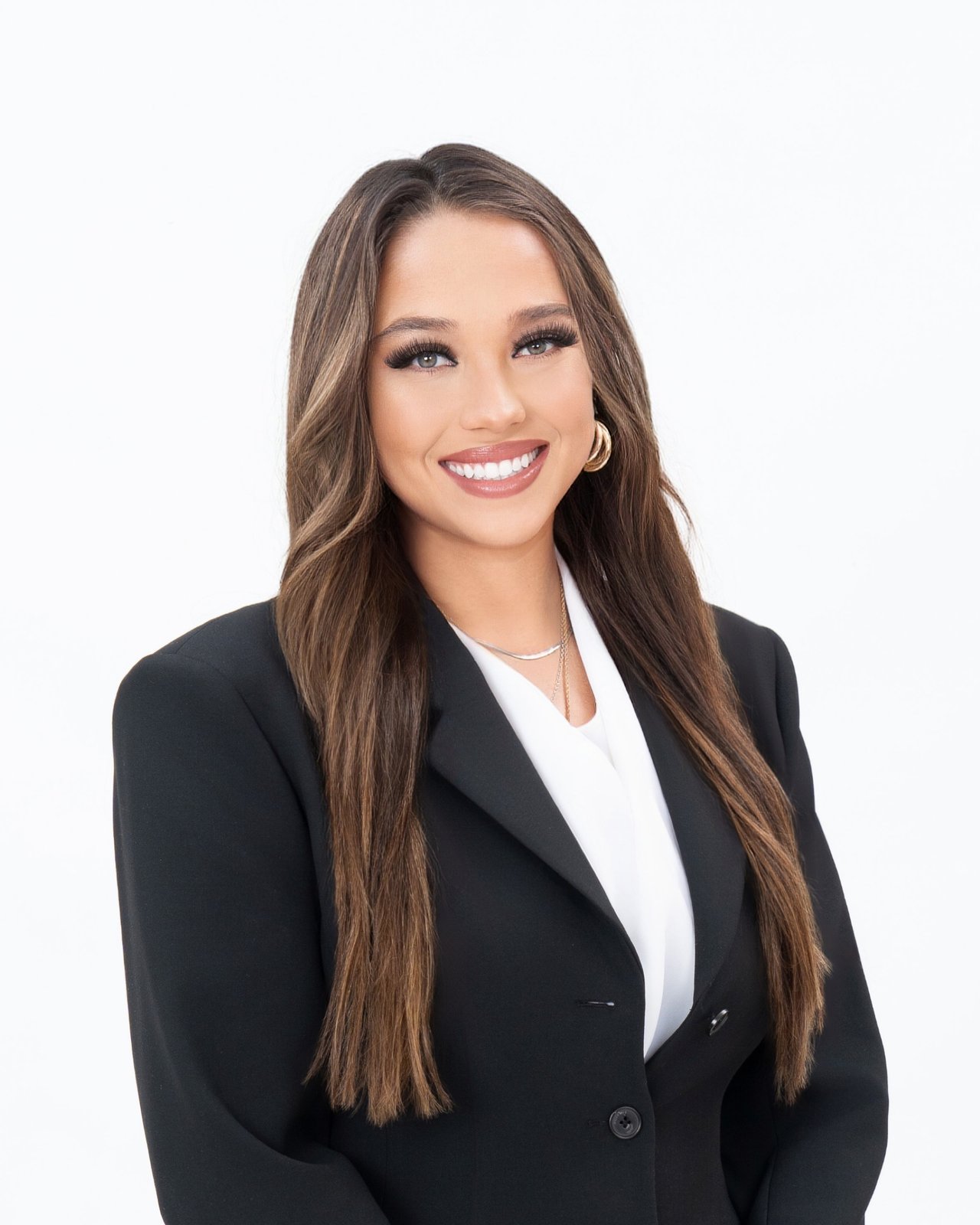
North Texas has no shortage of real estate agents. What it has a shortage of is agents who actually understand what makes a horse property work — and who have the credentials and the network to back that claim.
Lisa Bricker is a Certified Equestrian Property Specialist and Global Equestrian Advisor with Engel & Völkers Land and Ranch — designations that require demonstrated expertise in evaluating equestrian properties, not just listing them. She did not learn the North Texas horse market from a continuing education course. Lisa Bricker has spent 25+ years in every corner of the performance horse industry from hobby farms to commercial training facilities. She knows the facilities, the trainers, the communities, and the land. When she evaluates a North Texas horse property, she evaluates it as someone who has spent years in the discipline that defines this market.
As host of ADTV Selling Texas: College Station — a platform generating more than 100 million video views per quarter — and through the Engel & Völkers Land and Ranch national network, Lisa brings listing exposure that reaches buyers across the country who are specifically seeking North Texas equestrian property. For sellers in Parker, Denton, Collin, and Tarrant counties, that reach matters: the buyer for your $2M cutting horse facility may be in California or Kentucky, not driving down FM 730.
For North Texas buyers and sellers, working with Lisa means:
Competitive expertise: she evaluates the property from the perspective of the horses using it, not the cosmetics surrounding it
Off-market access through the Engel & Völkers Land and Ranch network and a statewide equestrian industry network built over 25+ years
National marketing reach for sellers targeting performance horse buyers across the country
Connections to equestrian-specific appraisers, agricultural lenders, and 1031 exchange specialists active in the North Texas market
An agent who knows the difference between Parker County sandy loam and Collin County Blackland — and why it matters to your horses and your resale value
The right North Texas property moves fast. The best properties — especially those with existing barns, covered arenas, and quality pasture — often sell before hitting the public market. If you're serious about finding your property in Grayson, Denton, Parker, Wise, Montague, Collin, or Tarrant county, the conversation starts now.
Call or text Lisa Bricker at (979) 446-5340, email [email protected], or fill out the contact form on this page. Tell Lisa your discipline, your horse count, your show schedule, your budget, and your timeline — and she will start working the network before a listing ever appears on Zillow.

Horse Properties & Ranches
North Texas vs. Central Texas Horse Properties: Which Market Is Right for You?
What to Look for When Buying a Texas Horse Property: A Specialist's Checklist
Texas AG Exemption for Horse Properties: What Every Buyer Needs to Know in 2026
Texas Horse Property Market Report: Prices, Trends & What to Expect in 2026
What Every Horse Owner Should Know Before Buying a TX Horse Property
Texas Rural Land as a Long-Term Investment: Why Smart Buyers Are Buying Land Now