As a Certified Equestrian Property Specialist and Global Equestrian Advisor with E&V Land and Ranch, Lisa Bricker works with buyers and sellers across Texas
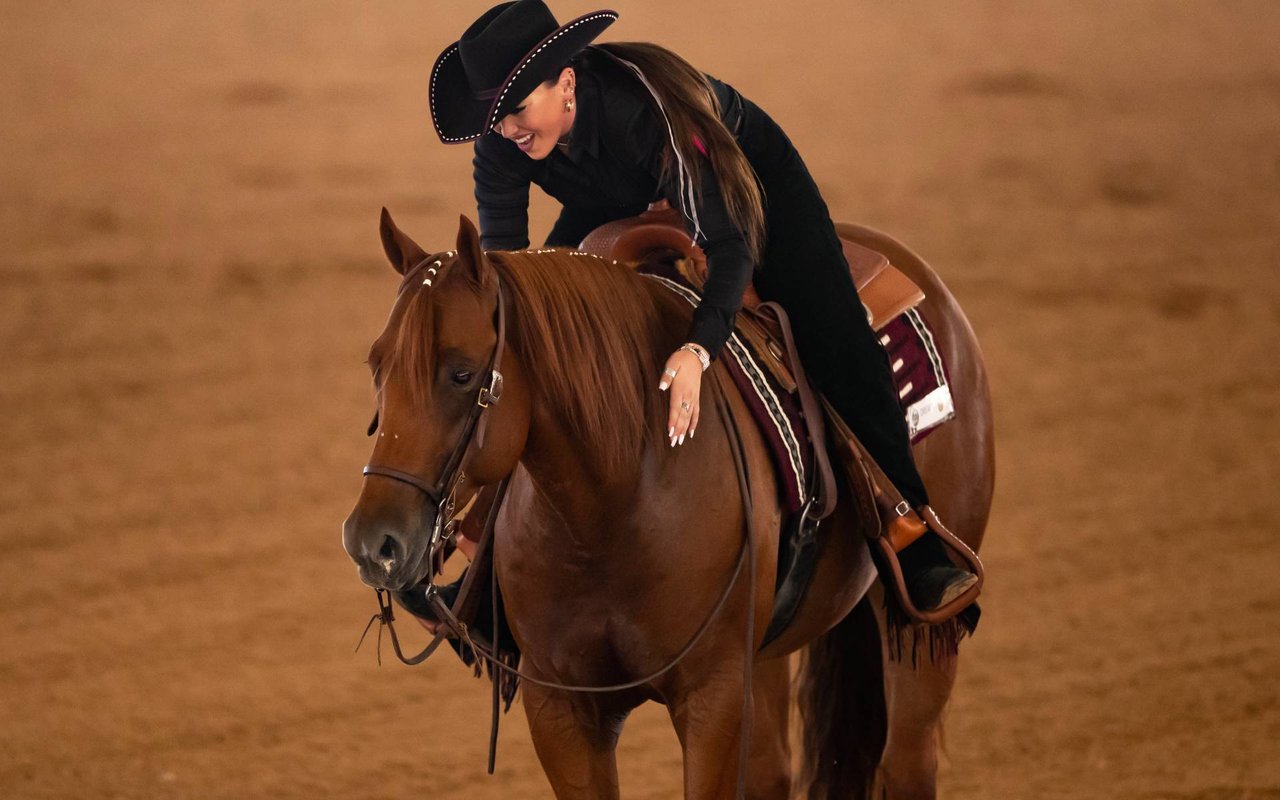
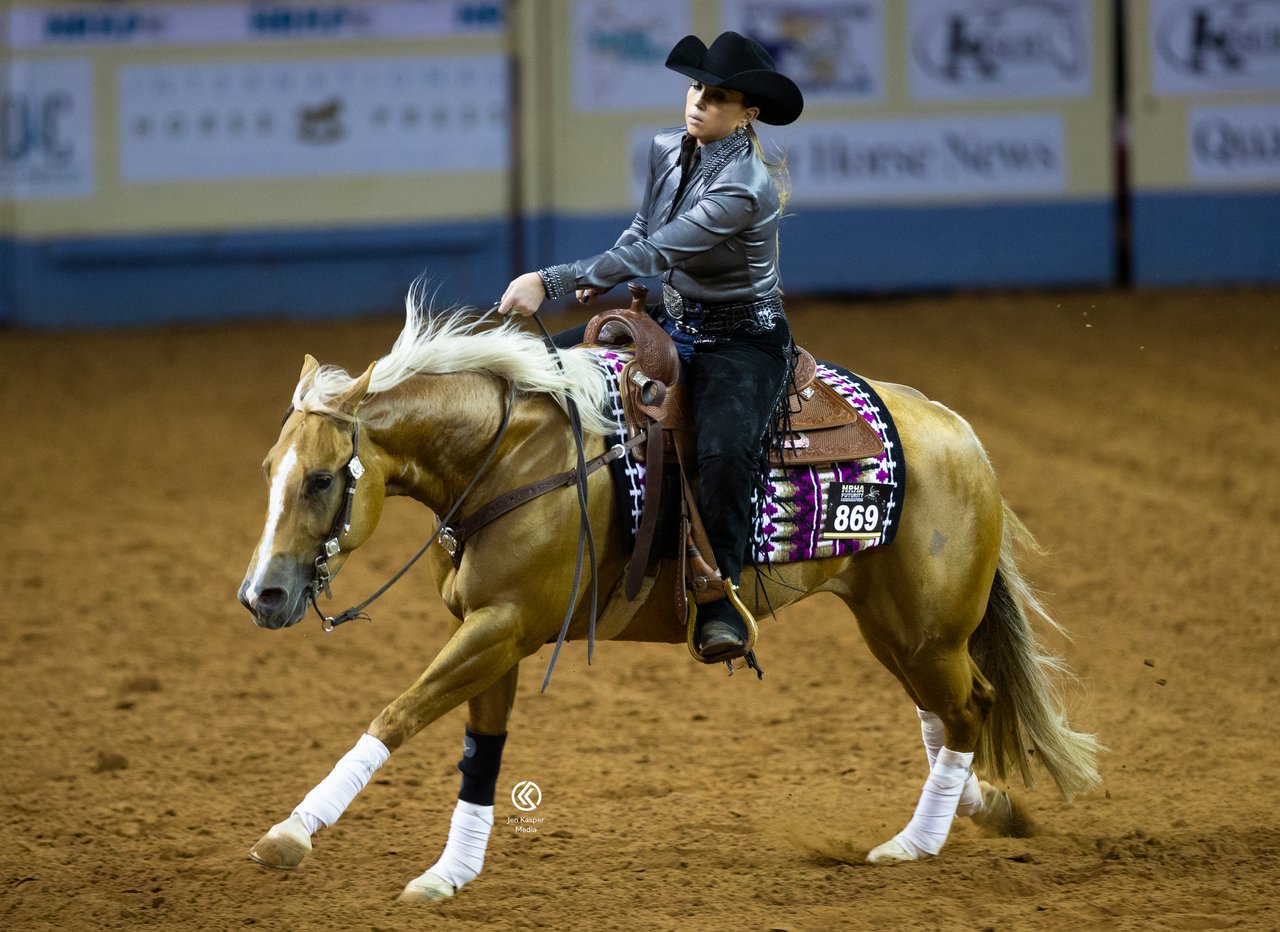
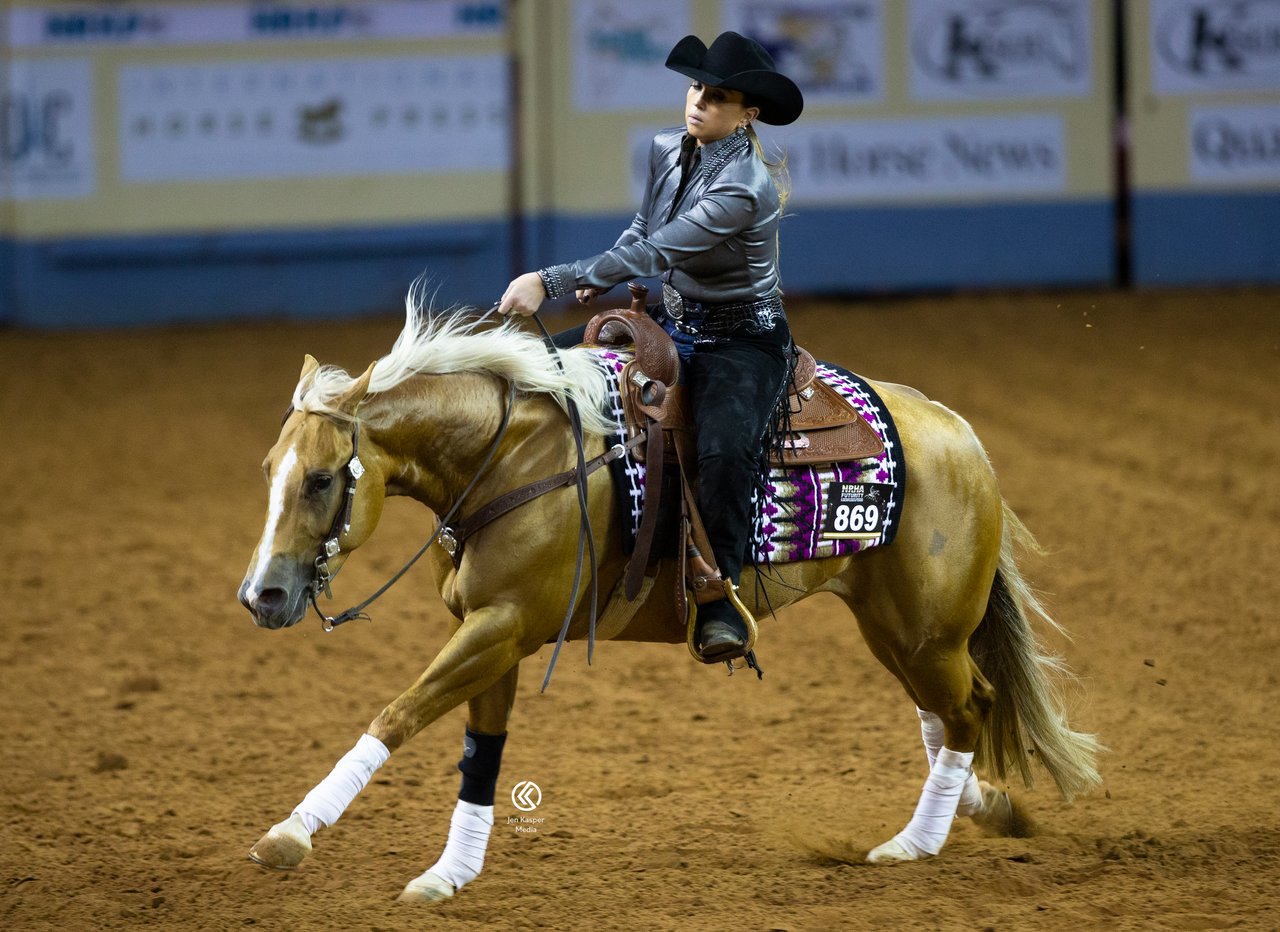
Reining horse real estate is a specialty within a specialty. The discipline demands more from a facility than almost any other equestrian pursuit — large covered arenas with engineered footing, high stall counts for full training strings, and the kind of community density that only exists in one or two places in the world. If you are buying or selling a premier reining horse facility in Texas, the conversation has to start with someone who has competed in the discipline, not just sold land near it.
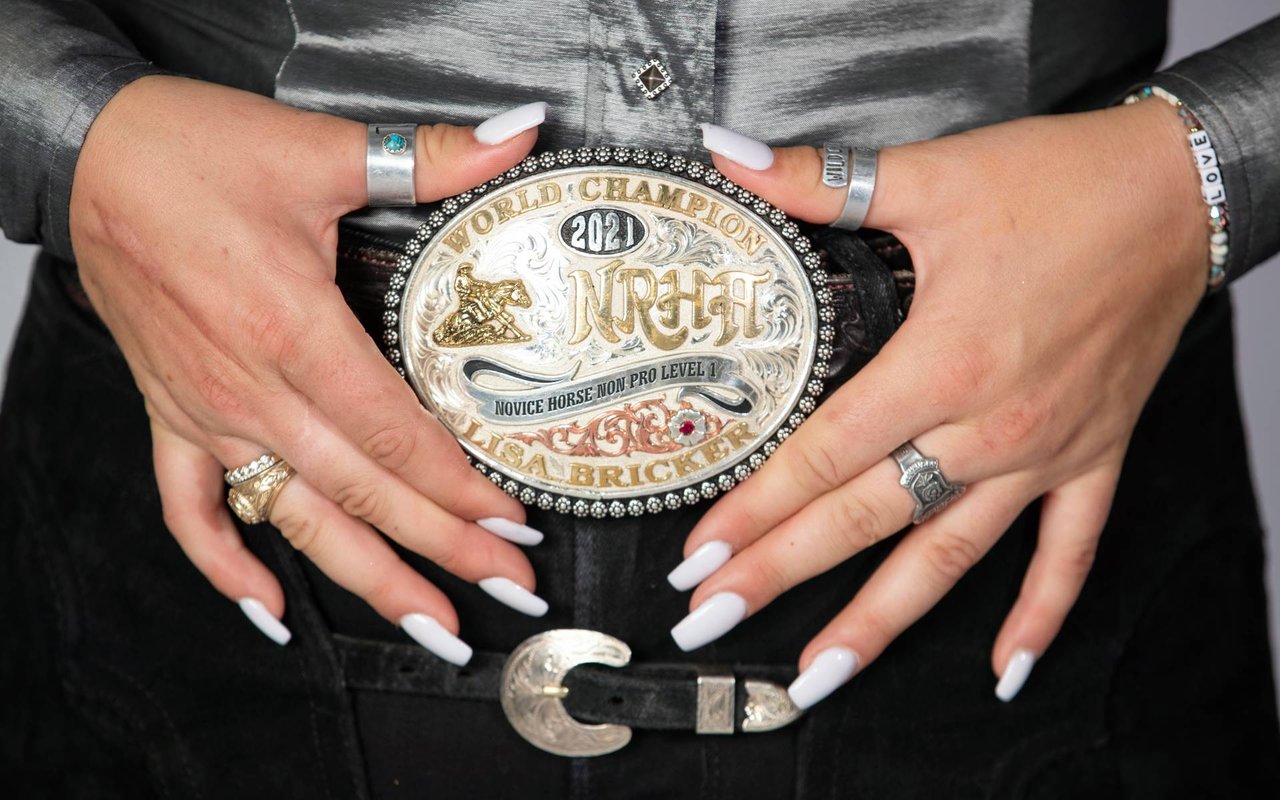
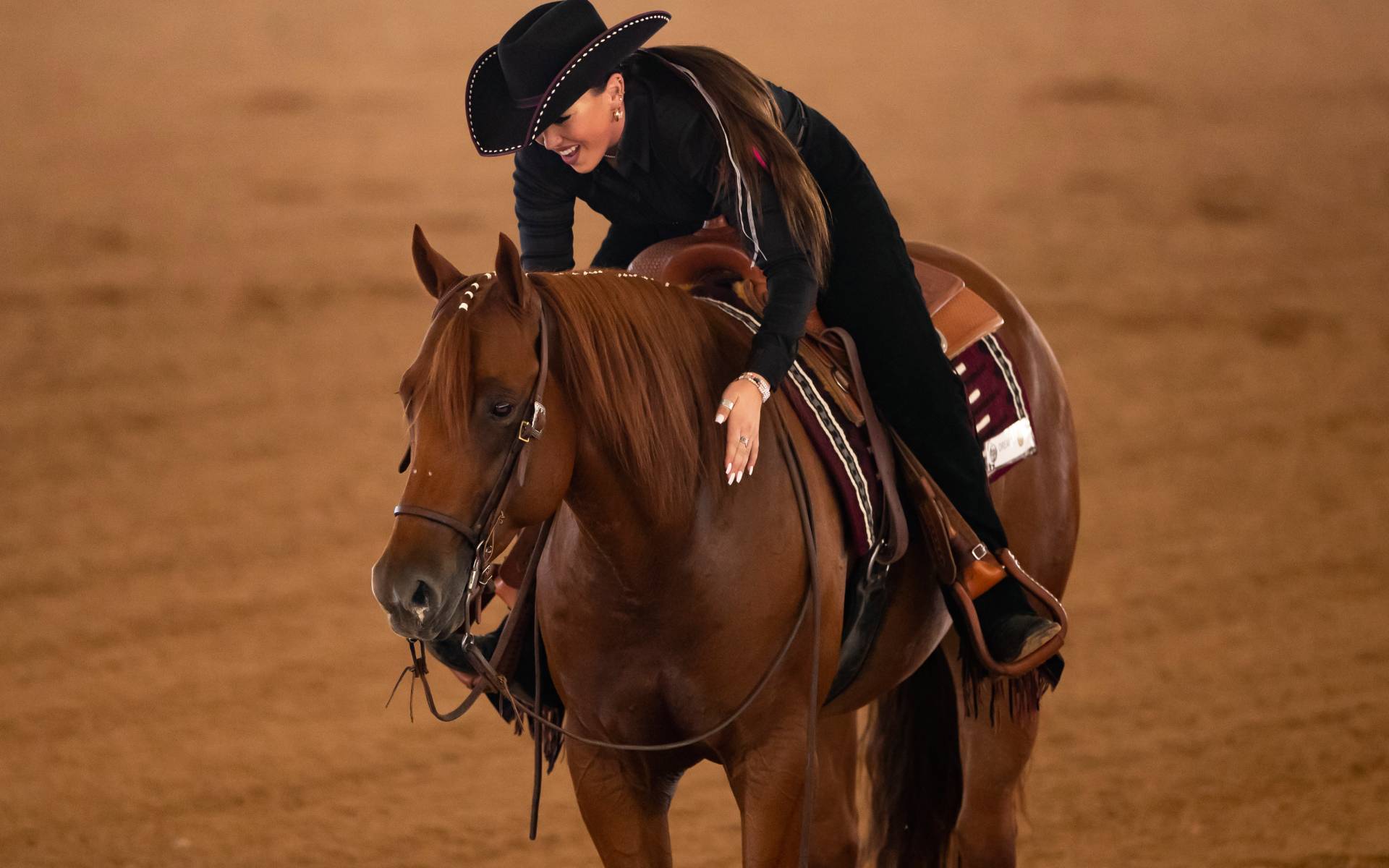
As a Certified Equestrian Property Specialist and Global Equestrian Advisor with Engel & Völkers Land and Ranch, Lisa Bricker works with buyers and sellers across Texas. She was raised in a reining horse family and has evaluated training facilities, competition arenas, and working operations across the Texas reining community for 25+ years. When she walks through a reining facility, she sees what matters: the footing, the drainage, the stall layout, the sight lines from the house to the pen, and the daily operational reality of running horses at a high level. |
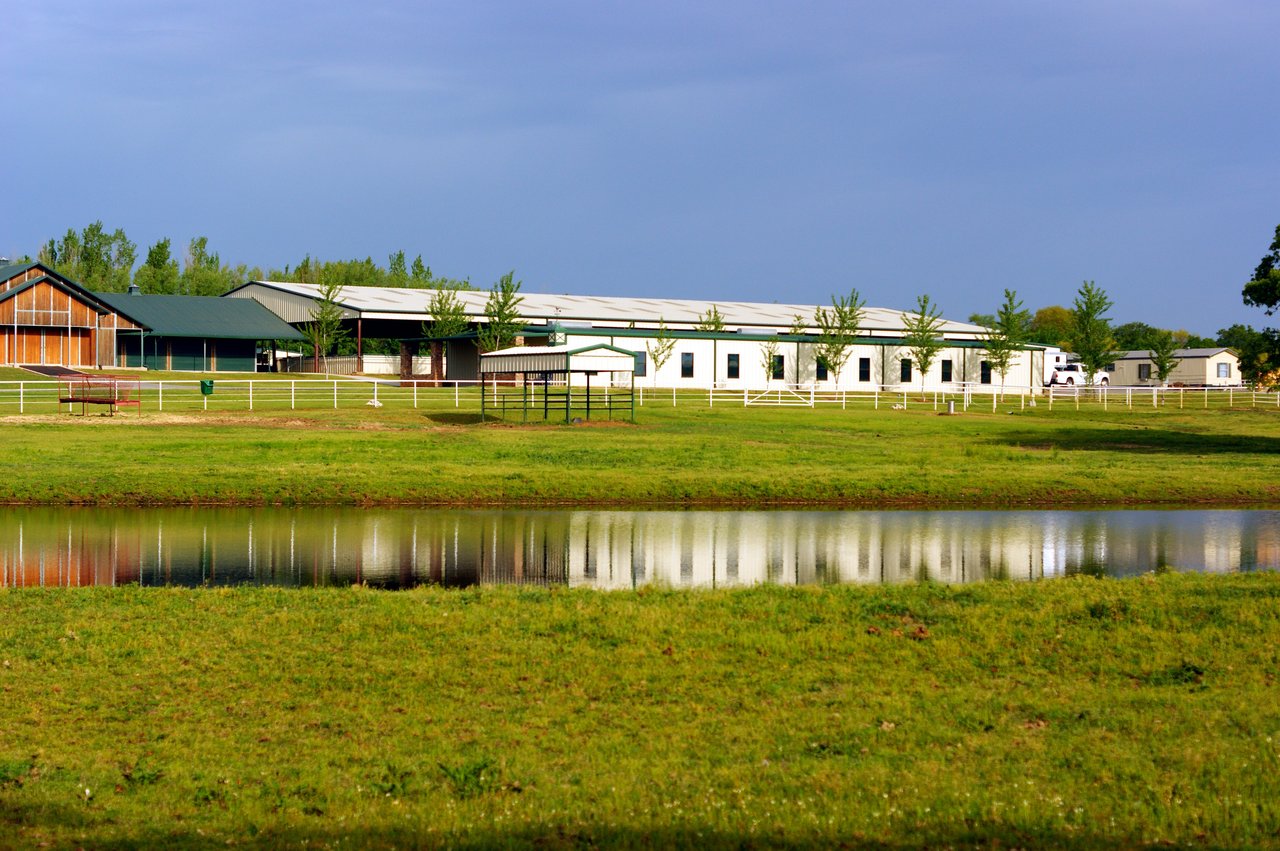
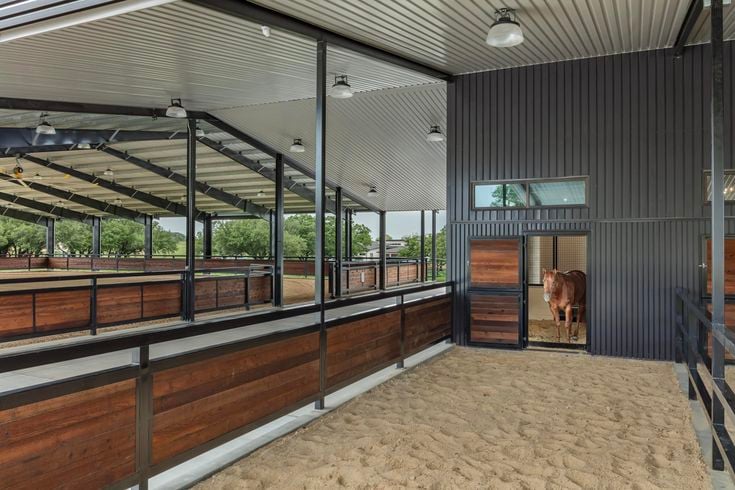
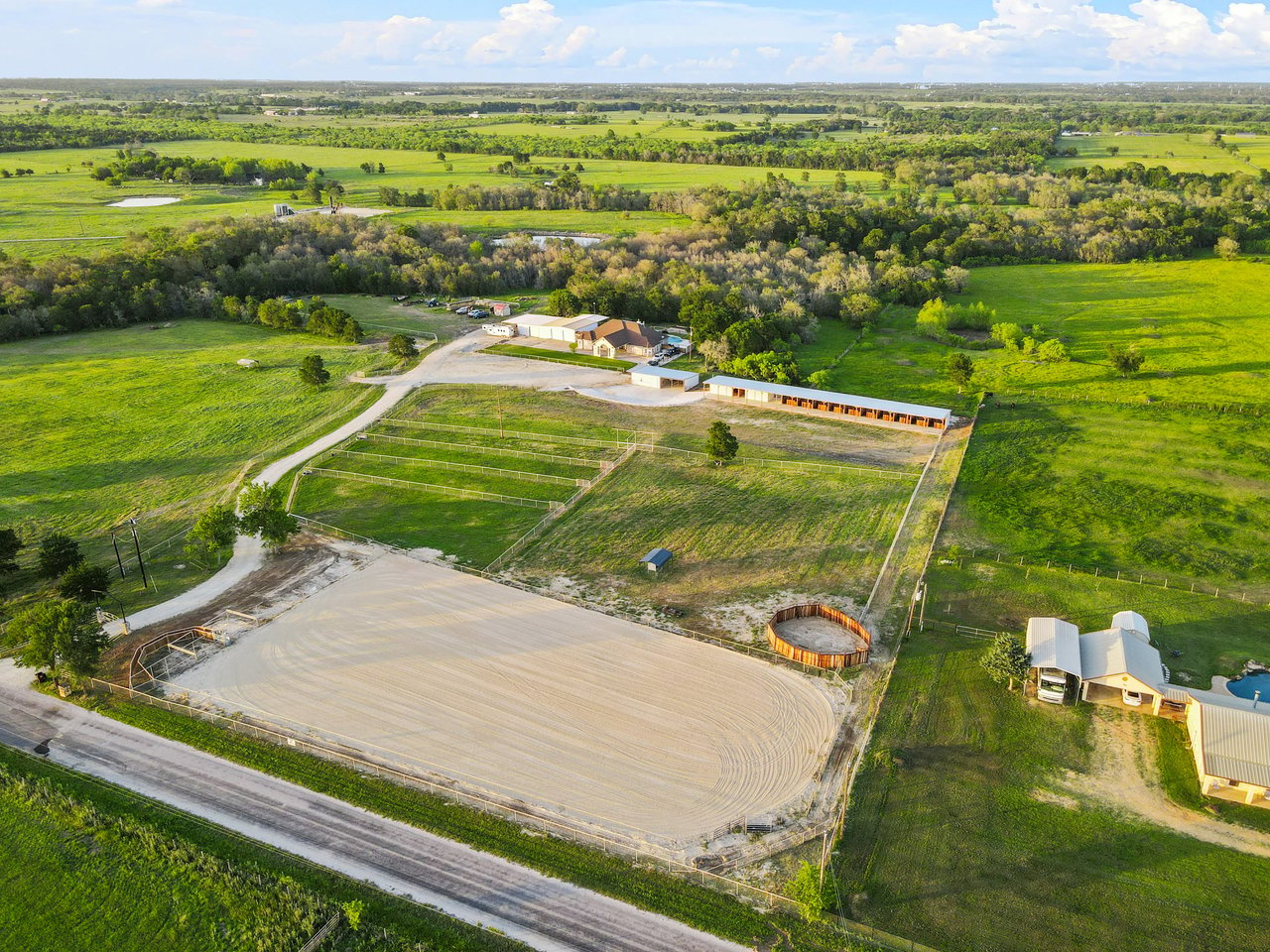
A competition-quality covered reining arena is 100 feet wide by 200 feet long at minimum. Serious training facilities run 100×300 or larger to accommodate full pattern work with multiple horses. The base must be engineered: compacted caliche or road base underlayer, with 3 to 4 inches of silica or sport sand blend footing on top. Footing that is too deep causes tendon injuries; footing that is too shallow is hard on joints. Drainage channels must pull water away from the arena base efficiently — standing water under a covered pen destroys base integrity within a single wet season.
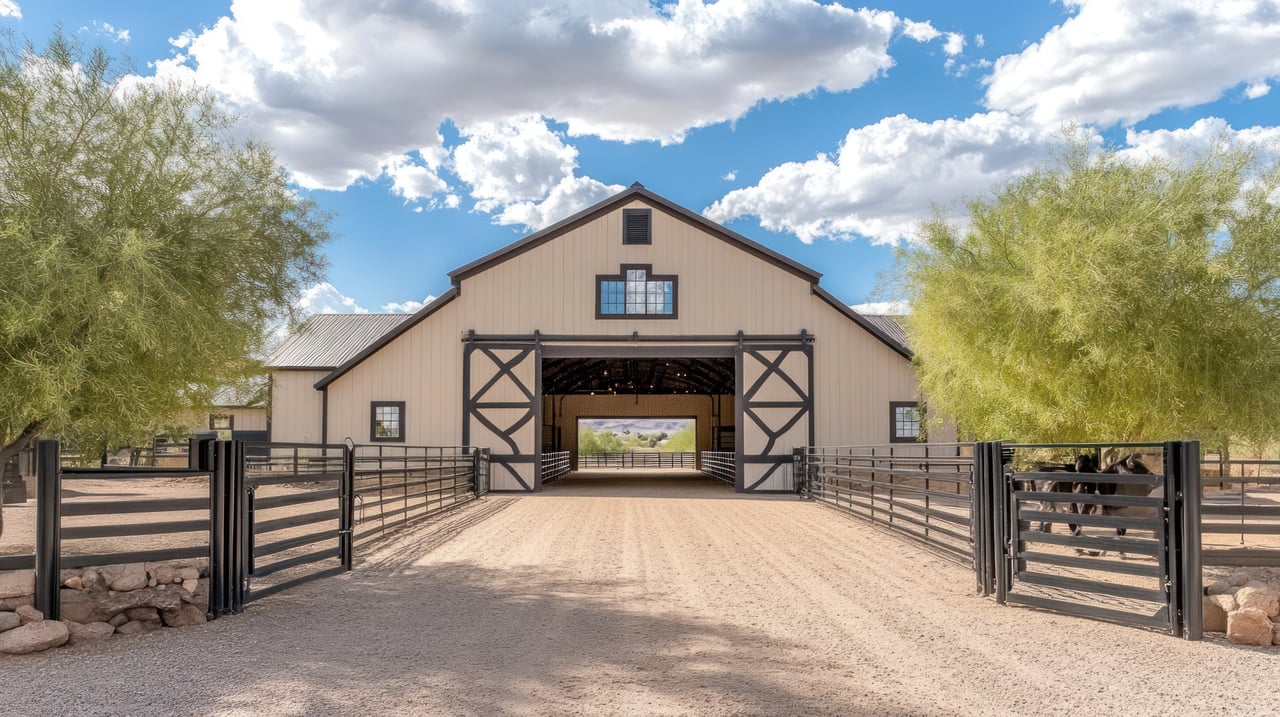
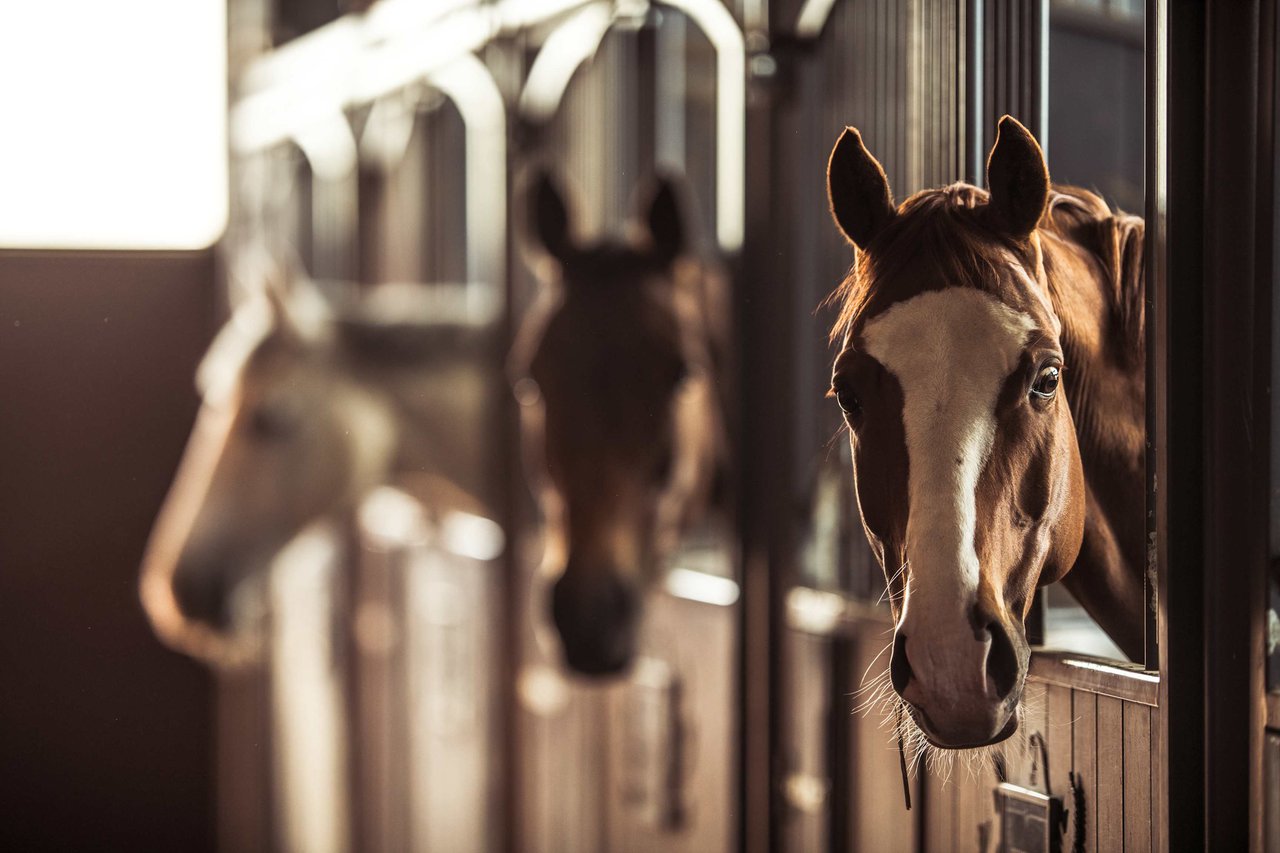
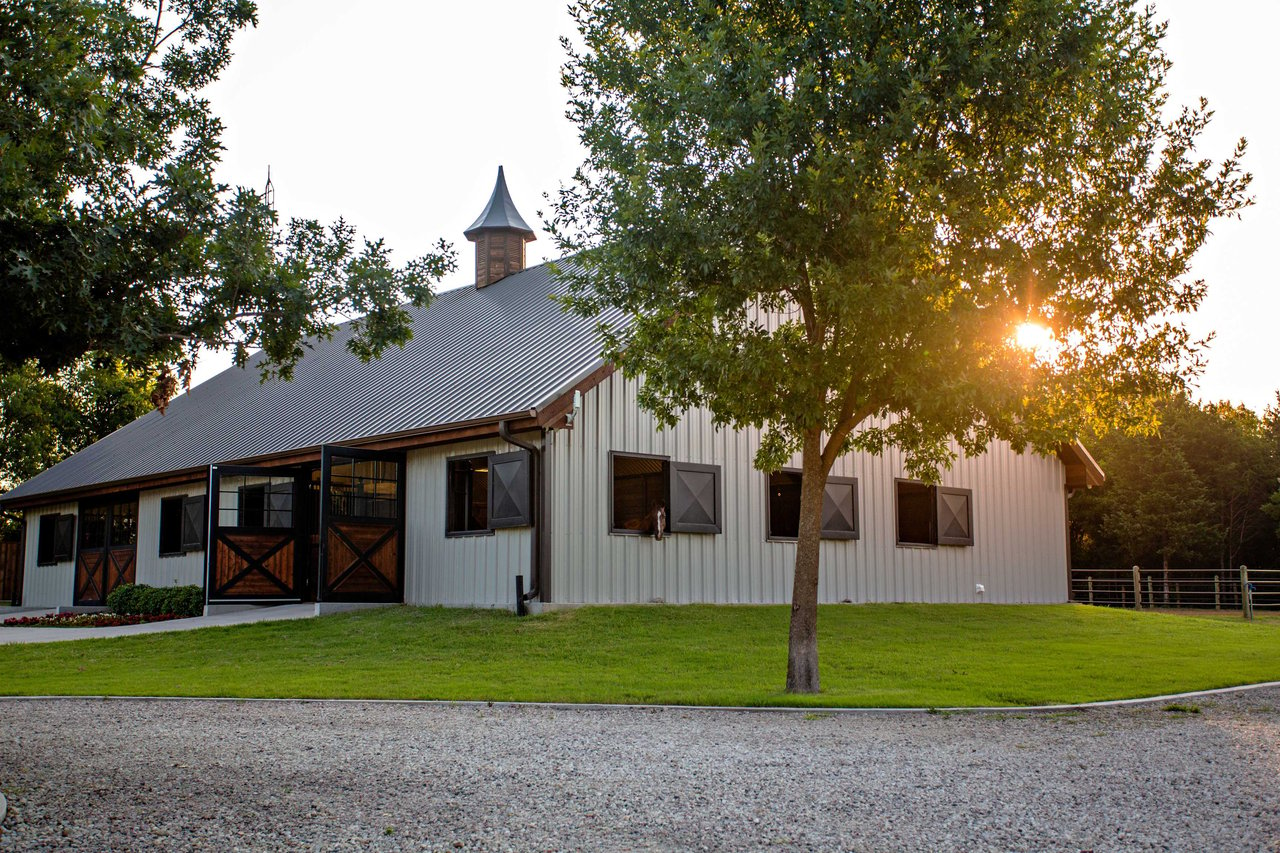
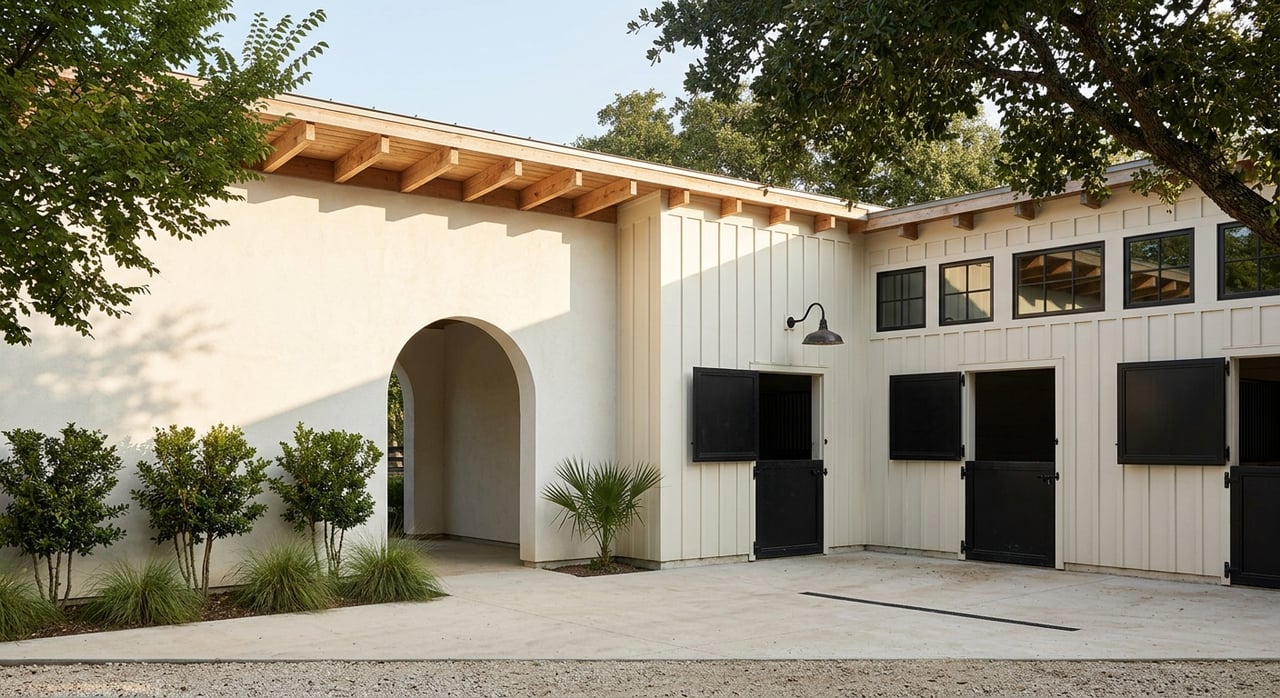
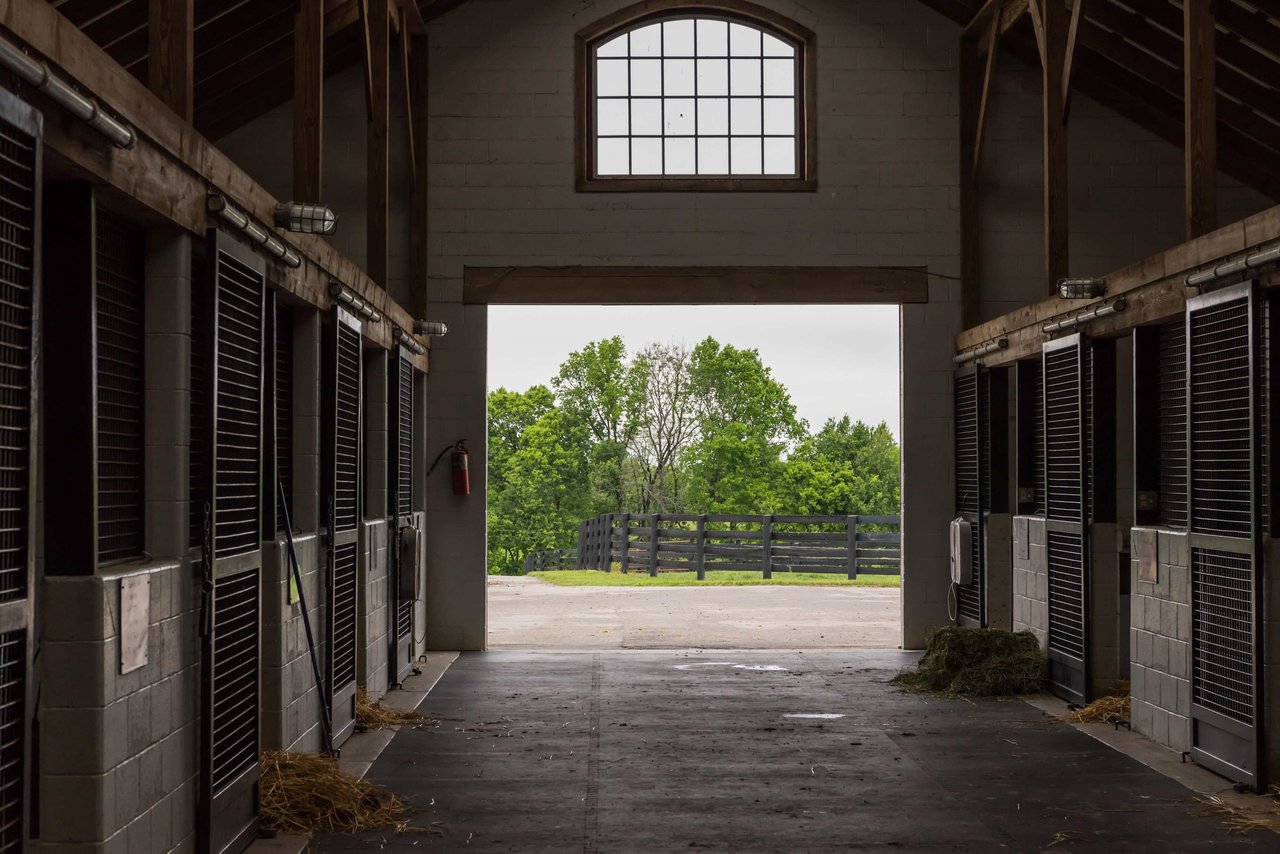
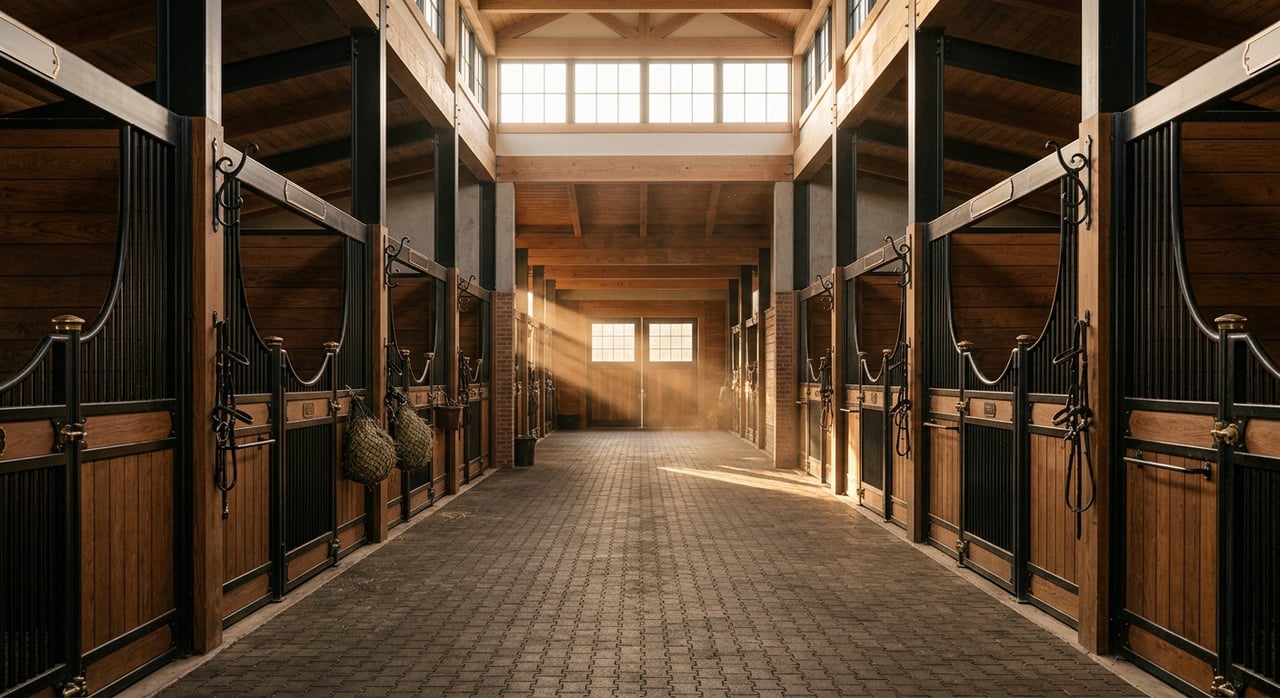
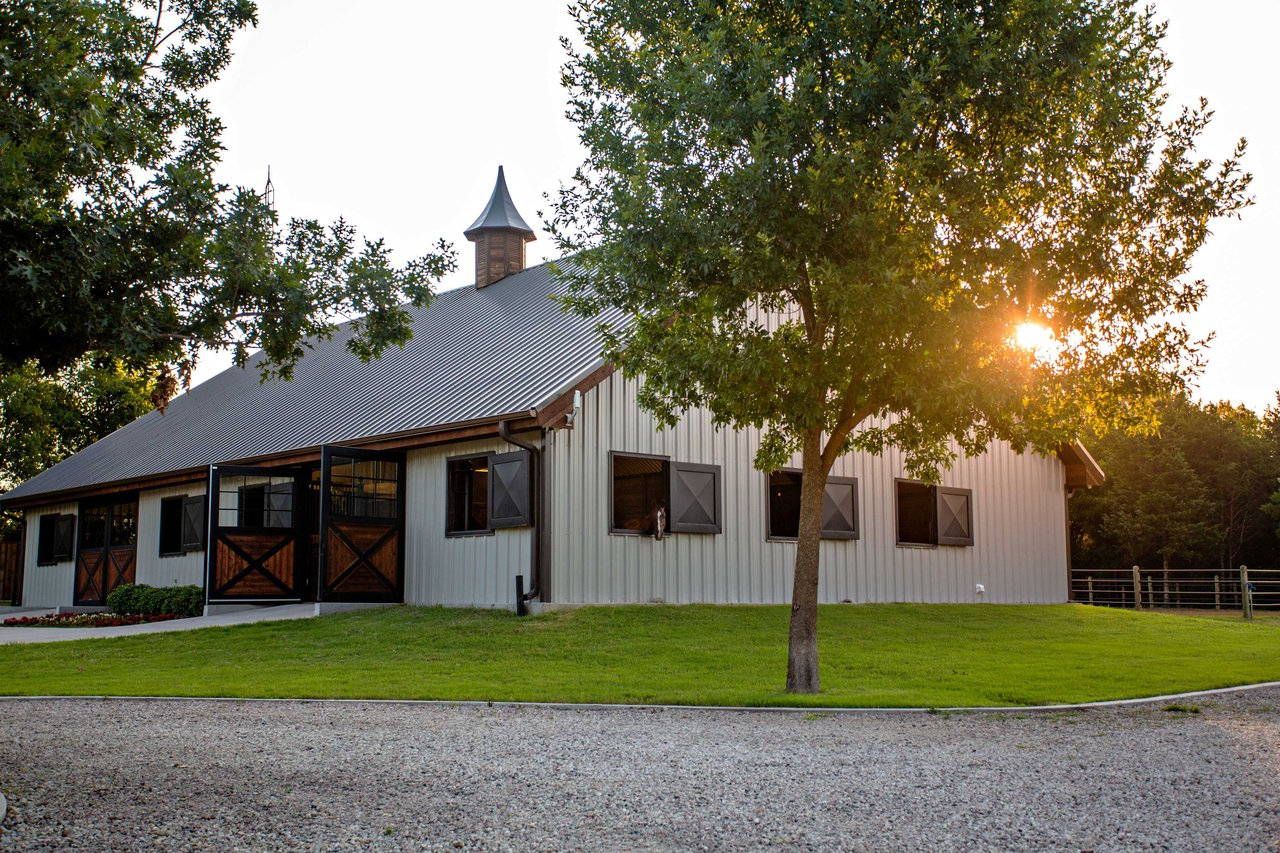
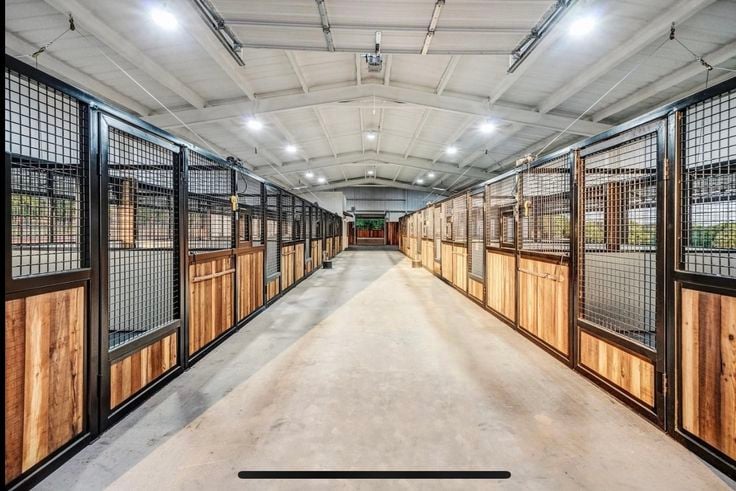
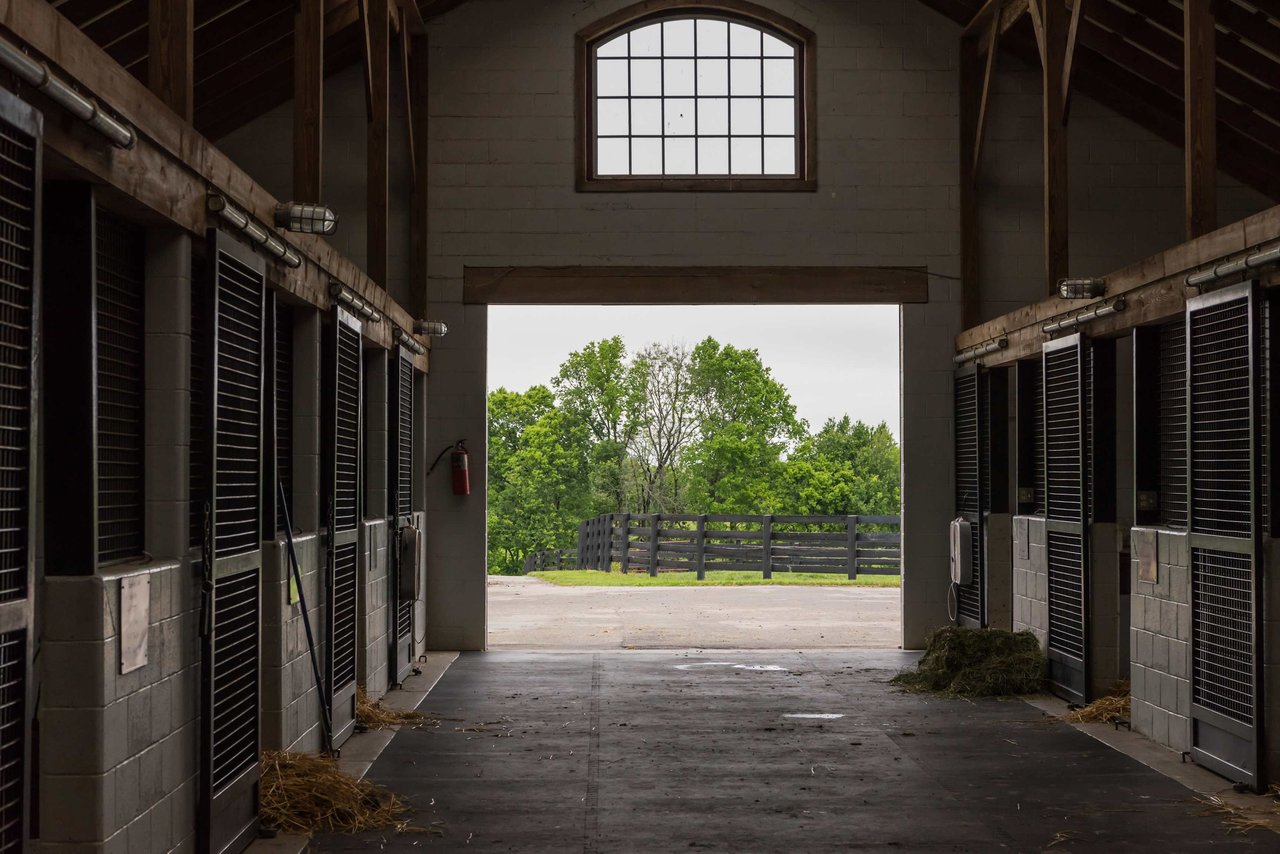
Reining training programs run 20 to 60-plus horses depending on program scale. Shedrow barns (single-row covered runs along an exterior wall) and MD Barns (modular stall systems) are the most common configurations for high-volume training programs. Stalls should be 12×12 minimum; 14×14 preferred for larger-bodied horses. Barn aisle width matters for daily handling efficiency — 12 feet minimum, 14 to 16 feet preferred. Confirm stall footing condition: compacted dirt or rubber mat over compacted base, not bare concrete.
Hot walkers (4 to 6 arm electric models or mechanical), round pens (60 feet diameter minimum, panel or permanent construction with appropriate footing), breeding shed if applicable, separate tack and feed rooms with rodent-proof storage, wash racks with hot and cold water, trailer parking sized for a full training program.
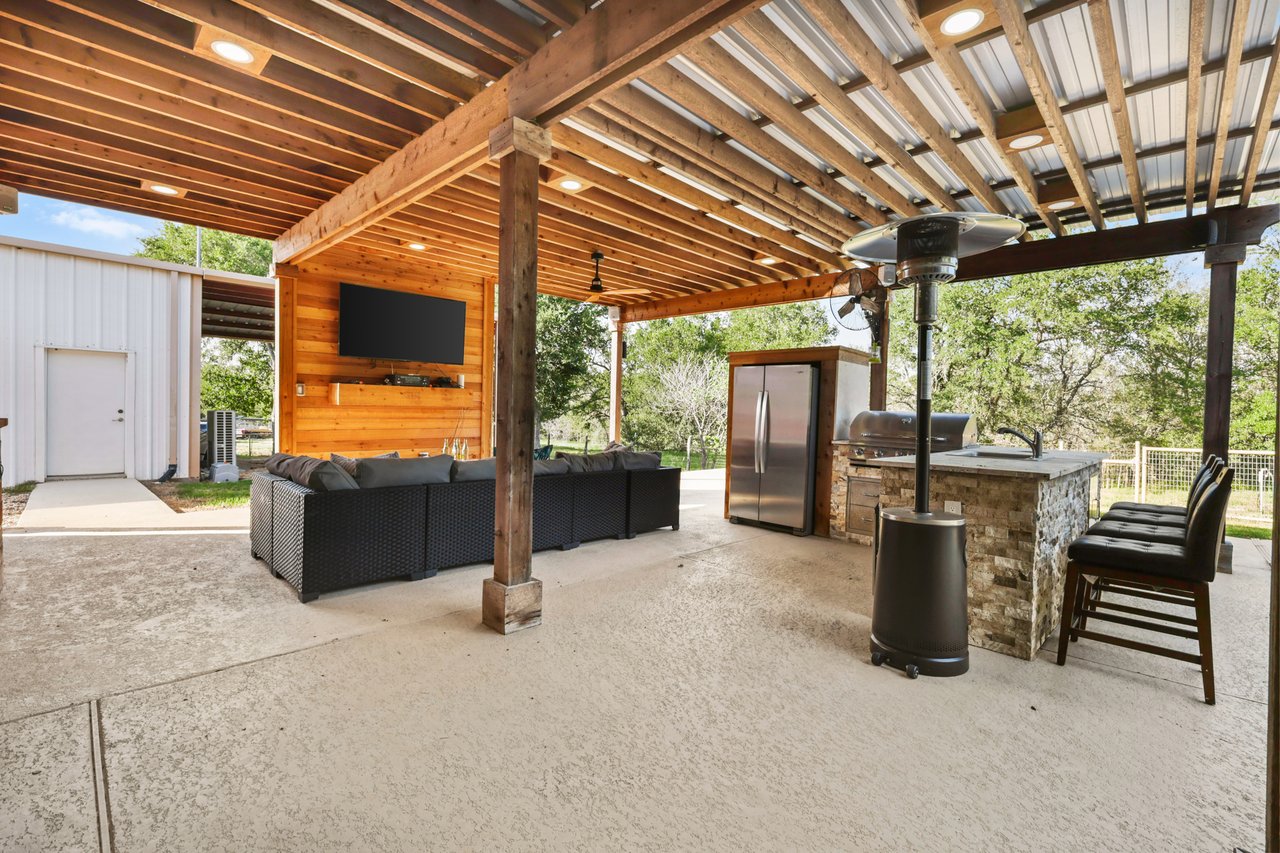
Full-scale training operations require on-property housing for barn managers, assistants, and riders. Separate casita, apartment above barn, or manufactured home on a permanent foundation are common. Verify utility connections and habitability.
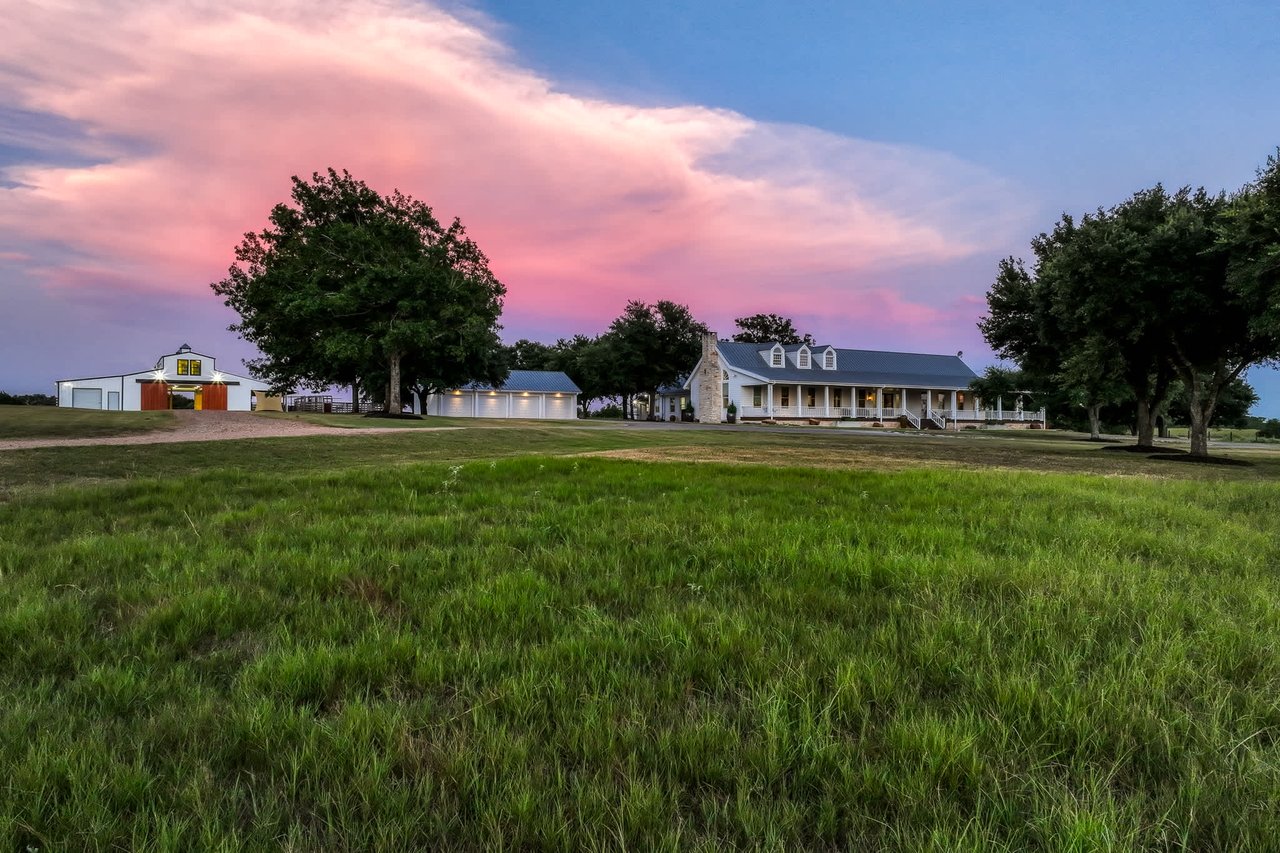
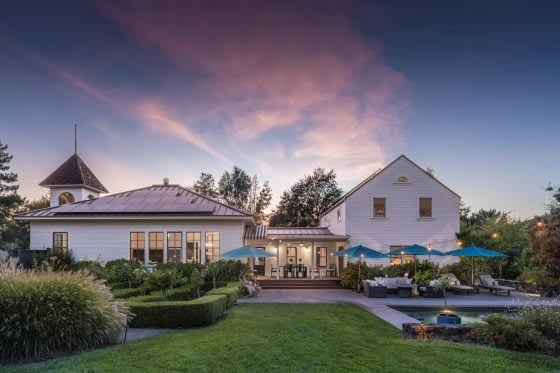
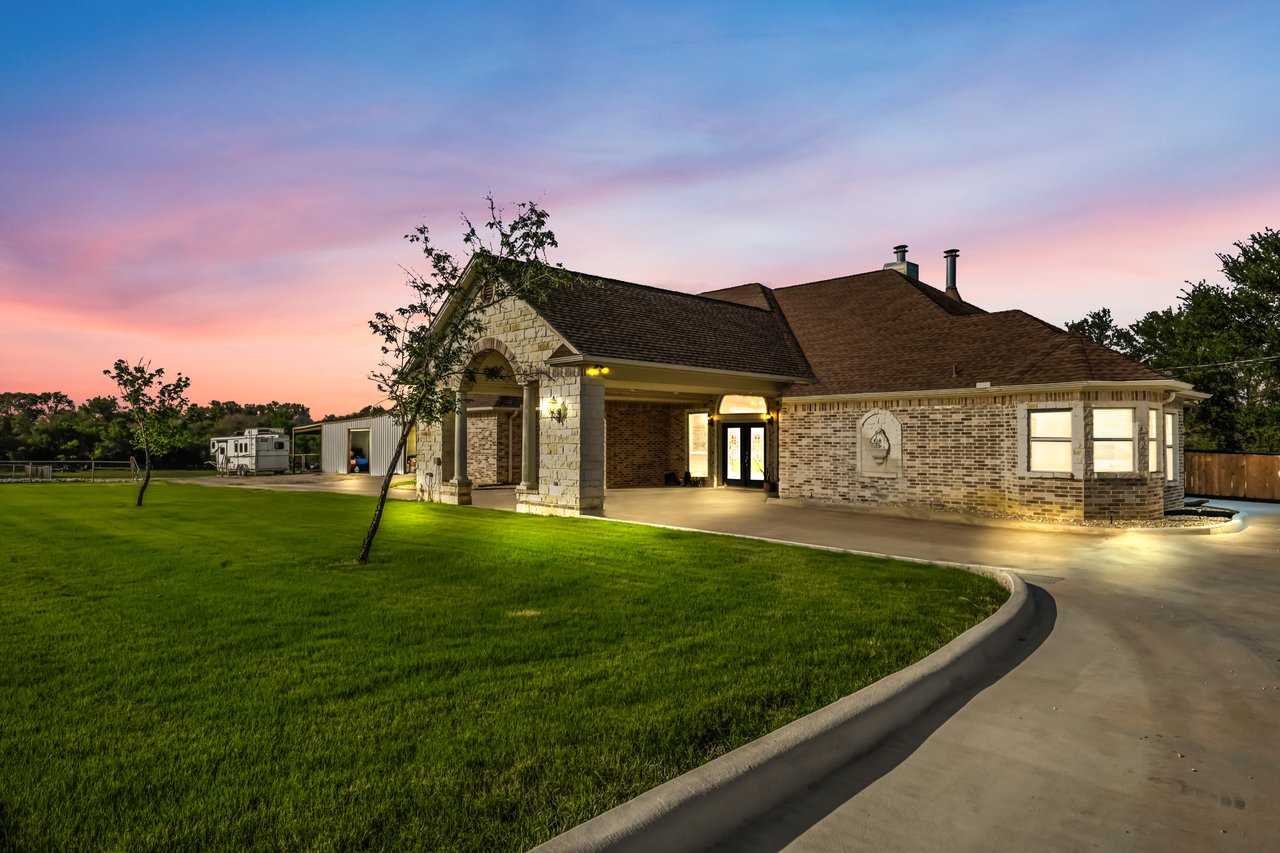
Most reining facility buyers also live on the property. Primary residence positioned with views of the covered arena is strongly preferred — the ability to watch horses work from the house is a genuine quality-of-life feature, not an amenity.
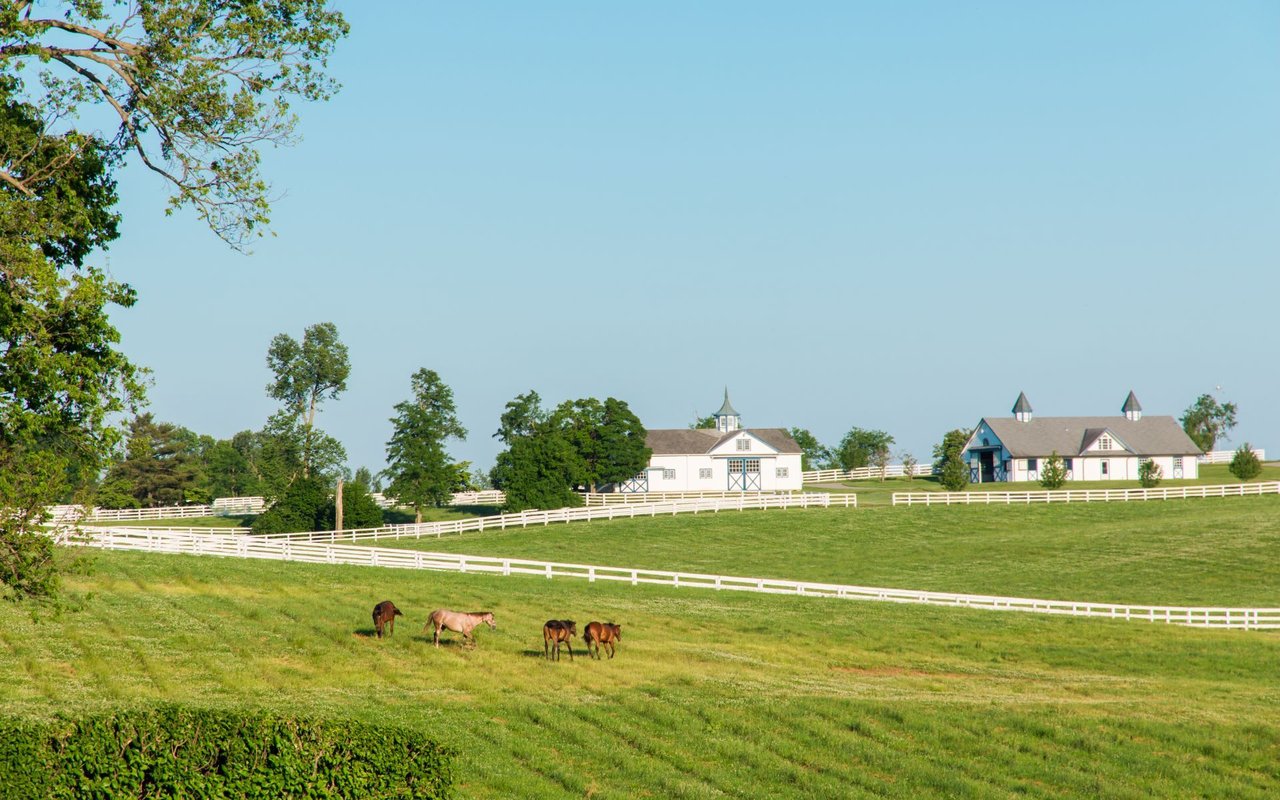
Parker County (Weatherford) is the global center of the cutting and reining horse world. The concentration of elite trainers, commercial operations, and supporting infrastructure in Weatherford and its surrounding precincts is without equal anywhere in the world. Properties here trade at premium prices and often off-market — the best facilities change hands through the training community before they ever reach a real estate portal.
Denton County (Pilot Point, Aubrey, Krum) is anchored by the AQHA global headquarters in Pilot Point and has the second-highest concentration of reining and performance horse facilities in North Texas. Proximity to the DFW metro makes Denton County properties attractive to buyers who need city infrastructure alongside their training operation.
Wise County (Decatur, Sunset) and Erath County (Stephenville) offer reining-capable facilities at meaningfully lower price points than Parker or Denton counties. The terrain is appropriate (cross-timbers sandy loam for arena building), the community is equestrian-fluent, and the haul to the show pen is manageable.
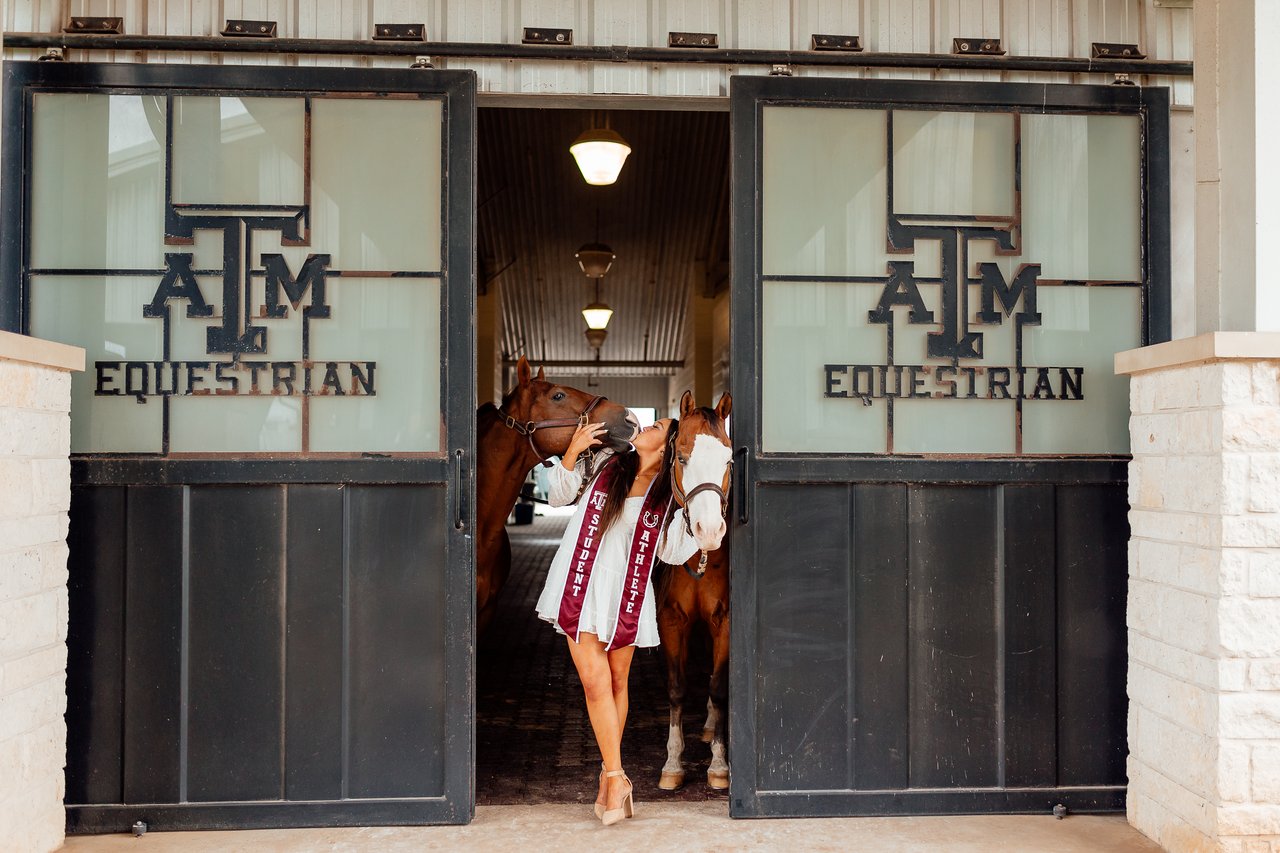
Brazos County (College Station) and the surrounding Central Texas counties produce working reining operations for buyers who want to be based near the Texas A&M equine veterinary program and the Central Texas reining community.
Get under the footing and inspect the base material and depth. A compromised base requires complete rebuild — typically $40,000 to $80,000 for a full-size covered arena.
Know what is in the pen. Sand composition, silt content, and compaction level all affect how the footing rides and how quickly it deteriorates.
Inspect purlins, columns, and roofing panels for rust, deformation, and storm damage history. Arena roof replacement is a six-figure cost.
High stall count operations require significant daily water volume. A well producing less than 10 gallons per minute is inadequate for a 30-plus-horse training program.
If you are buying a going-concern training operation, verify current horse count, board rates, and the trainer's lease or operational agreement terms.
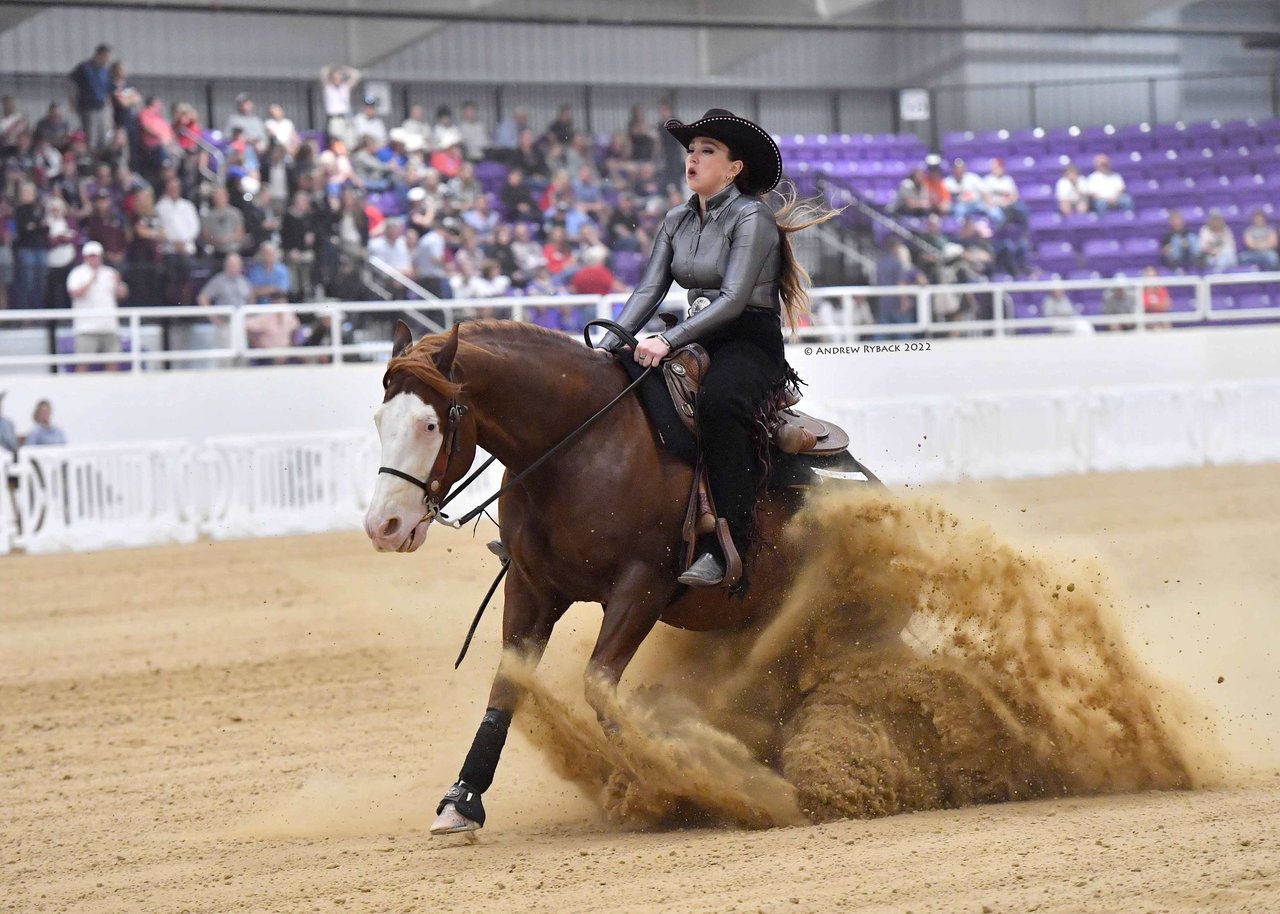
Most agents can show you a covered arena and tell you the square footage. Lisa can tell you whether the footing will ride correctly for a sliding stop, whether the stall layout works for a program your size, and whether the residence has the sight lines that make daily life at a training operation sustainable. She has spent her life deeply rooted in the discipline this facility is built for. That is not a credential most agents in any market can offer.
Call or text Lisa at (979) 446-5340 or email [email protected]. Tell her your program size, your discipline level, your region preference, and your timeline — and she will start working the network.