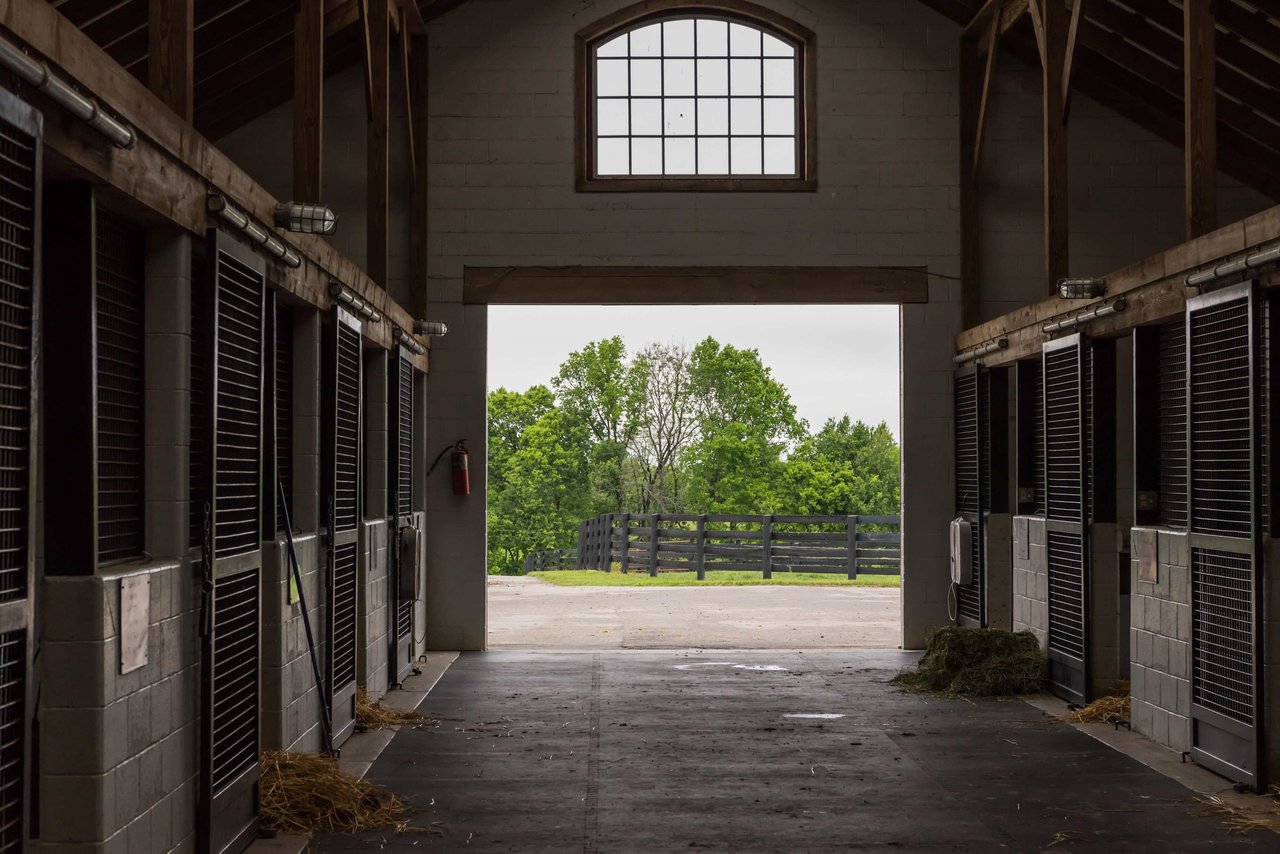
Montgomery County is one of the fastest-growing counties in Texas — and yet it still has some of the most beautiful horse property corridors in the state. For buyers who want rural equestrian living within reach of Houston, this is the market that delivers. Wide-open pastures, mature hardwoods, sandy loam soil, and a deeply rooted horse culture make Montgomery County a destination for equestrian buyers from across the country. Whether you’re relocating from out of state or upgrading from a smaller property closer to the city, the Northwest Houston horse property corridor is worth your full attention.
Meet Your Montgomery County Horse Property Expert — Lisa Bricker
Navigating the Montgomery County Texas horse properties market takes more than a real estate license — it takes someone who has lived the equestrian lifestyle and knows exactly what to look for when walking a property. That person is Lisa Bricker.
Lisa is a Texas horse property realtor serving Montgomery County and the entire Texas Triangle, operating with Engel & Völkers Land and Ranch Group. She holds the designation of Certified Equestrian Property Specialist and serves as a Global Equestrian Advisor — credentials that reflect a deep, specialized knowledge of what makes a horse property truly functional versus one that simply has a barn on the listing photos.
You may also recognize Lisa as the host of ADTV’s Selling Texas, where she showcases the unique lifestyle and land opportunities that define this region. Her equestrian upbringing gives her a perspective that most real estate agents simply cannot offer: she evaluates drainage patterns, pasture quality, barn layout, arena footing, and fencing integrity the way a horse owner would — because she is one.
When you work with Lisa Bricker, you’re not just getting a transaction coordinator. You’re getting a trusted advisor who will tell you the truth about a property before you fall in love with the wrong one.
Why Montgomery County Works for Horse Property Buyers
Montgomery County Texas horse properties occupy a rare sweet spot: genuine rural character with surprisingly strong access to one of the largest metro areas in the United States. The infrastructure that makes this possible is a network of major corridors that connect the county to Houston without sacrificing the open-land feel that equestrian buyers demand.
I-45 runs north through Conroe and Willis, providing a direct shot to downtown Houston and the Medical Center. SH-249 (Tomball Parkway) extends northwest through Tomball and into the heart of Magnolia, making it one of the most-used commuter routes for horse owners who work in the Energy Corridor or northwest Houston. FM 1488 is the backbone of the Magnolia corridor, threading through some of the most desirable horse property acreage in the county. And the Grand Parkway (SH-99) continues to expand, opening up new pockets of the county to buyers who want proximity to suburban amenities without giving up their acreage.
The result is a county where you can stable your horses, ride your own land in the morning, and be at your Houston office desk by 9 a.m. That combination is rare — and it’s exactly why demand for horse farms in Montgomery County Texas continues to climb year after year.
Magnolia, TX — The Sweet Spot for Horse Properties in Montgomery County
If there is one community that defines the Magnolia TX horse property experience, it’s the FM 1488 and FM 1774 corridor west of town. Magnolia has managed to grow its population and commercial base while preserving the rural, small-town character that drew equestrian buyers here in the first place.
The Magnolia Independent School District is a major draw for families. Known for strong academics and a genuine community feel, MISD gives buyers with children a compelling reason to plant roots here rather than in a more suburban setting. The district covers a large geographic footprint, meaning many rural horse properties still fall within its boundaries.
Acreage availability in Magnolia remains strong compared to areas closer to Houston. Five-acre to twenty-acre tracts are still findable at reasonable price points, and larger parcels of thirty to fifty acres do come to market — particularly in the areas west of town toward Dobbin and Plantersville. Many of these properties carry agricultural exemptions, which can dramatically reduce annual property tax burdens for buyers who maintain qualifying livestock or hay production. Lisa Bricker understands how to evaluate and preserve AG exemptions as part of the purchase process — a detail that can save buyers thousands of dollars per year.
The soil profile in Magnolia leans sandy loam, which drains well after rain events and supports healthy pasture grass. For horse owners who have dealt with muddy, compacted paddocks in other parts of the country, this is a genuine quality-of-life upgrade.
Other Key Communities for Horse Buyers in Montgomery County
While Magnolia captures much of the spotlight, savvy buyers know that Montgomery County offers multiple equestrian corridors worth exploring.
Conroe TX equestrian property tends to be found on the outskirts of the city — particularly to the west and northwest, where the suburban grid gives way to larger tracts. Buyers who want a shorter commute to I-45 or who need quick access to Conroe’s medical facilities and commercial amenities often find the right balance in these transitional zones.
Willis, located along I-45 north of Conroe, offers some of the most affordable acreage in the county. Properties here tend to be larger and more agricultural in character, making Willis a strong option for buyers who prioritize land size and value over proximity to town.
Dobbin and the area around FM 149 represent some of the most authentic horse country in the entire region. This is where you find multi-generational ranch families, established equestrian operations, and a genuine sense of community among horse people. Properties here are often off-market — which is exactly why having a connected local specialist like Lisa Bricker matters.
Montgomery (the town) sits along Lake Conroe and offers a charming historic downtown alongside horse properties on its rural fringes. The combination of lakefront lifestyle and equestrian land is unusual and highly sought after.
Plantersville, just south of Grimes County, is known among horse people for its deep equestrian roots — it’s home to the Texas Renaissance Festival grounds and surrounded by rolling pastureland that supports serious horse operations.
What Your Budget Buys in 2026
$500K–$800K: Entry-Level Equestrian Living
In this price range, buyers in Montgomery County can typically expect five to ten acres of usable pasture, a three- to four-bedroom home in good condition, and a functional barn setup — often a two- to four-stall barn with a tack room and hay storage. Fencing is usually a mix of pipe and no-climb wire or board fencing. Properties at this tier may not have a dedicated arena, but many have enough flat acreage to add one. This is the sweet spot for the serious amateur rider or small breeding operation who wants a move-in-ready setup without a luxury price tag.
$800K–$1.5M+: Luxury Equestrian Estates
Step into this tier and the properties begin to reflect a more intentional equestrian vision. Expect ten to thirty or more acres, custom-built homes with high-end finishes, and barns designed for serious horse operations — think six to twelve stalls, climate-controlled tack rooms, wash racks, fly systems, and covered or lighted arenas with quality footing. Some properties at this level include guest quarters, caretaker cottages, or separate manager’s apartments. Pipe fencing throughout, cross-fenced pastures, and established hay fields are common. For buyers coming from premium equestrian markets in Wellington, Ocala, or the Hill Country, the value per acre in Montgomery County at this price point is genuinely compelling.
The Houston Commuter Horse Owner
One of the defining characteristics of the Montgomery County horse property buyer is that they are often a working professional — an engineer, physician, attorney, or executive — who refuses to choose between a demanding career and an equestrian lifestyle.
The Energy Corridor along I-10 west of Houston is home to dozens of major oil and gas companies, and many of their employees have discovered that SH-249 north through Tomball puts them within forty-five minutes of Magnolia horse properties on a normal commute day. The Texas Medical Center, the largest medical complex in the world, draws physicians and researchers who find that I-45 north to Conroe or Willis gives them a manageable drive to properties with real acreage.
For these buyers, the horse property isn’t a retirement dream — it’s a present-tense lifestyle choice. They want to feed their horses before work, ride in the evenings, and spend weekends on their own land. Montgomery County makes that possible in a way that few other markets within reach of a major Texas city can match. The Northwest Houston horse property corridor has become, in many ways, the preferred address for the professional equestrian.
Understanding Montgomery County Soil & Land
Buyers relocating from other states — particularly from the Northeast, the Mid-Atlantic, or the Pacific Northwest — sometimes arrive with questions about Texas soil and whether it can support healthy horse keeping. The short answer for Montgomery County is: yes, and quite well.
The dominant soil types in the county’s horse property corridors are Sandy Loam and Yegua formation soils. Sandy loam is prized by horse owners for its drainage characteristics — it sheds water quickly after rain events, which means paddocks and pastures recover faster and stay drier underfoot than heavy clay soils. Horses kept on sandy loam tend to have fewer hoof and leg issues related to standing in mud.
Yegua soils, found in parts of the western county, support excellent pasture grass production. Bermuda grass and coastal bermuda thrive in these conditions, providing high-quality forage during the long Texas growing season. Buyers who plan to hay their own land will find the soil profile in Montgomery County highly cooperative.
For buyers accustomed to rocky terrain, caliche hardpan, or heavy black clay found in other parts of Texas, the soil quality in the Montgomery County horse corridors is a genuine differentiator worth understanding before you start your search.
How Lisa Bricker Finds the Right Property for You
The best Montgomery County horse properties rarely sit on the open market for long — and many of the finest ones never appear on the MLS at all. This is where working with a specialist like Lisa Bricker provides a measurable advantage.
Lisa’s network within the equestrian community across Montgomery County and the broader Texas Triangle gives her access to off-market opportunities that most buyers and agents never see. When a longtime horse family is ready to sell, they often reach out to trusted community members first — and Lisa is consistently in that circle.
Beyond access, Lisa brings an evaluative eye that goes far beyond square footage and lot size. She walks a property the way a horse owner would: checking the slope and drainage of pastures, assessing the structural integrity of barns and run-in sheds, evaluating the quality and safety of existing fencing, and identifying any red flags in the water supply — whether that’s a well, a pond, or a rural water district connection. She knows what a good arena footing looks like and what a problematic one costs to fix.
She also understands the financial architecture of horse property ownership in Texas — AG exemptions, wildlife management exemptions, and the tax implications of different property configurations. These details can make a significant difference in the long-term cost of ownership, and Lisa factors them into every recommendation she makes.
Ready to Find Your Montgomery County Horse Property?
If you’re serious about finding the right horse property in Montgomery County — whether in Magnolia, Conroe, Willis, Dobbin, or anywhere along the Northwest Houston corridor — there is no better first call than Lisa Bricker.
Lisa brings the credentials, the community connections, the equestrian expertise, and the genuine passion for this lifestyle that the search deserves. She will help you find a property that works for your horses, your family, your budget, and your commute — and she’ll make sure you understand exactly what you’re buying before you sign.
Visit lisamariebricker.com or call (979) 446-5340 to start your search today. Your Montgomery County horse property is out there — let Lisa help you find it.