As a Certified Equestrian Property Specialist and Global Equestrian Advisor with E&V Land and Ranch, Lisa Bricker works with buyers and sellers across Texas
South Texas is the original Texas ranch country. Forty-seven counties stretching from the San Antonio metropolitan area south to the Rio Grande and east to the Gulf of Mexico encompass more cultural and geographic diversity than the name suggests: the cedar-and-limestone Hill Country fringe around Bandera and Kerrville, the legendary brush country ranches of Webb and Jim Hogg counties, the working cattle and horse operations of the Golden Crescent between Victoria and Gonzales, the King Ranch legacy of the Coastal Bend, and the subtropical Lower Rio Grande Valley where the map runs out of Texas entirely.
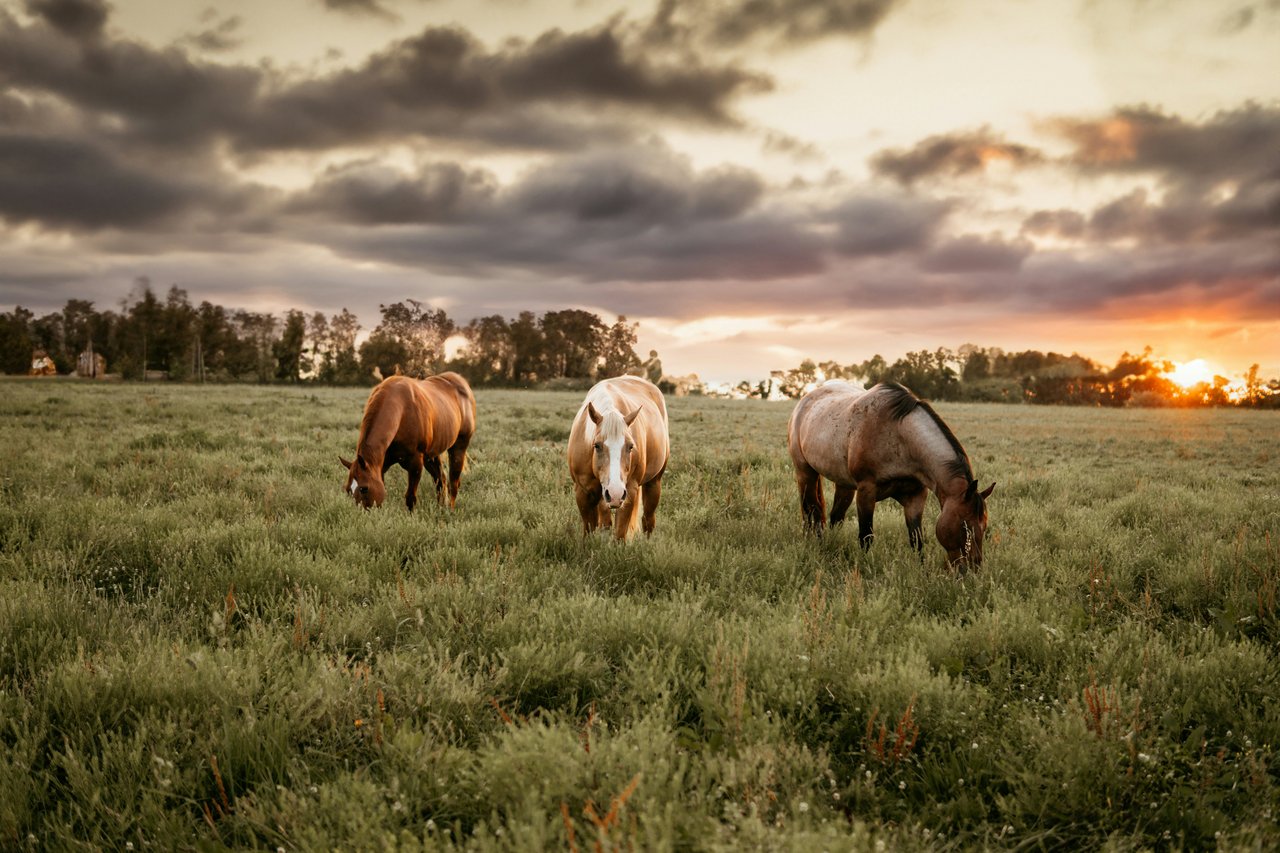
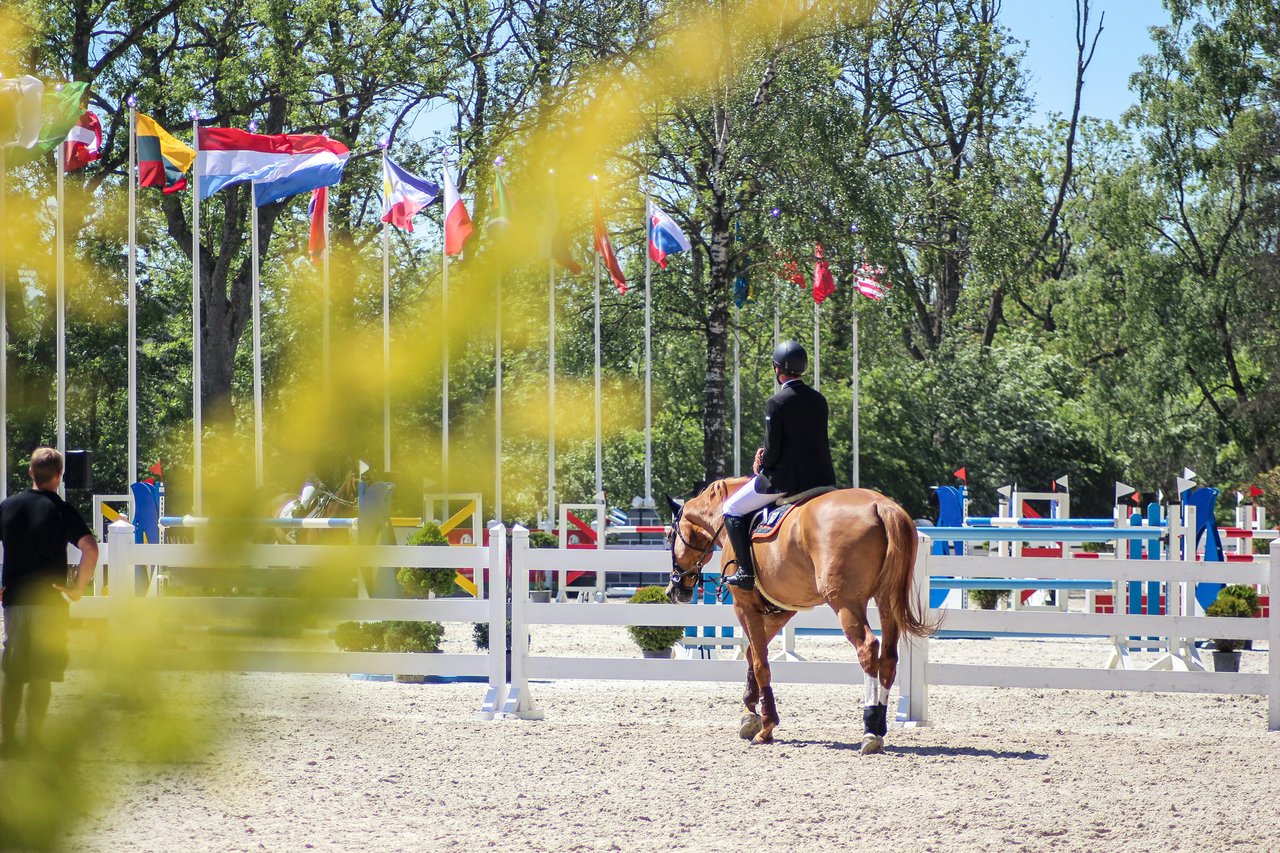
The horse culture in South Texas is old and deep. It predates statehood. The King Ranch developed the first American horse breed registered on this soil — the American Quarter Horse descends in part from the bloodlines worked on South Texas ranches for over a century. Working cow horses, cutting horses, ranch horses, and the entire tradition of the vaquero are South Texas contributions to the equestrian world. This is not a lifestyle market that arrived when the suburbs did. It has been here as long as anyone can remember.
Bandera, Kerr, Kendall, and Gillespie counties form the western arm of the Texas Hill Country — a landscape of cedar and live oak on limestone ridges, spring-fed rivers (the Guadalupe, the Frio, the Nueces, the Medina), and the kind of terrain that stops people from other states in their tracks when they see it for the first time. Trail riding access through Hill Country state parks and private ranch land, genuine agricultural heritage, and the aesthetic that defines the Texas ranch ideal make the Hill Country counties among the most sought-after equestrian real estate markets in the state. Properties here carry a premium that reflects sustained demand from San Antonio, Austin, and Houston buyers who have been looking at this landscape for decades.
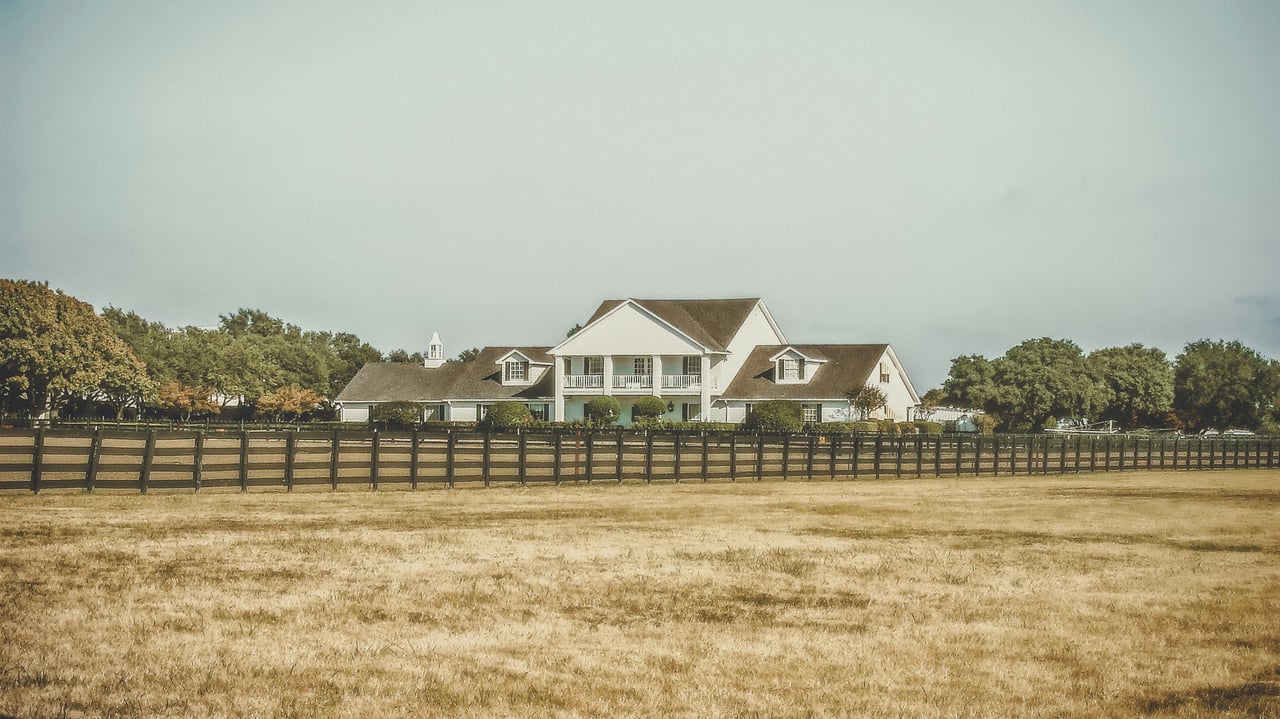
South Texas is big ranch country. The King Ranch alone covers more than 825,000 acres across Kleberg, Kenedy, Nueces, and Jim Wells counties. The brush country counties of Webb, Jim Hogg, and Zavala routinely trade properties in the 500 to 5,000-acre range that would be museum pieces anywhere else in Texas. Buyers seeking genuine working operations at ranch scale — where the horses have actual jobs, the cattle are counted in the thousands, and the hunting lease income is part of the financial model — find South Texas delivers what the suburban horse property market cannot.
South Texas whitetail deer hunting is world-renowned. Many South Texas ranches carry wildlife management AG exemptions alongside cattle and horse operations, and hunting lease income — often $10 to $30 per acre per season on quality brush country land — is a genuine component of property economics. Buyers who want horse property that also generates income through hunting operations find South Texas uniquely positioned.
San Antonio is the seventh-largest city in the United States and the anchor of South Texas's commercial and professional infrastructure. Properties within 60 to 90 minutes of San Antonio in Bandera, Kerr, Kendall, Medina, Atascosa, Wilson, and Guadalupe counties serve buyers who need city access without sacrificing genuine rural character. The medical, legal, and business community in San Antonio generates consistent demand for horse properties in this commute radius.
Counties: Atascosa, Bandera, Bexar, Comal, Frio, Gillespie, Guadalupe, Karnes, Kendall, Kerr, Medina, Wilson
Anchor cities: San Antonio (Bexar County), Boerne (Kendall County), Kerrville (Kerr County), Bandera (Bandera County), Fredericksburg (Gillespie County), New Braunfels (Comal County), Seguin (Guadalupe County), Hondo (Medina County), Pleasanton (Atascosa County)
This zone is where South Texas horse property demand concentrates most intensely. The Hill Country counties — Bandera, Kerr, Kendall, and Gillespie — are the lifestyle heart of the region, drawing buyers from San Antonio, Houston, and Austin who want the definitive Texas Hill Country ranch experience within a realistic drive of the city.
Bandera County calls itself the Cowboy Capital of the World, and the title is not entirely marketing. Bandera has been a working cowboy and ranch community since before the county was organized, and the horse culture here runs through the tourism economy (dude ranches, guest ranches, trail riding operations on the Medina and Sabinal rivers) as much as the private ranch market. Properties in Bandera County range from small river-front acreage with modest horse infrastructure to substantial Hill Country ranches with working cattle operations. The Medina River corridor carries significant lifestyle buyer demand.
Kerr County (Kerrville) anchors the northern Hill Country fringe with a combination of retirement community character and active agricultural land market. Kerrville sits on the Guadalupe River and serves as the commercial hub for the surrounding Hill Country counties. Horse properties in Kerr County tend toward the working operation end of the spectrum: cedar pastures, limestone uplands, native pasture, and the kind of infrastructure that comes from multigenerational agricultural use.
Kendall County (Boerne) is the San Antonio bedroom community with the most active equestrian lifestyle buyer market in South Texas. Boerne's proximity to San Antonio (30 minutes on I-10), its top-rated school district, and its Hill Country setting create sustained demand for 5 to 50-acre horse properties at prices that reflect the suburban premium but offer genuine rural character. The Cibolo Creek corridor and the Boerne stage road area have established horse property enclaves.
Gillespie County (Fredericksburg) has emerged as one of the most actively sought rural destination markets in Texas, driven by the wine country economy, the tourism draw, and the persistent out-of-state buyer demand for Texas Hill Country lifestyle properties. Horse properties in Gillespie County carry a premium reflecting this demand. The Pedernales River and Palo Alto Creek drainages create the spring-fed creek frontage that Hill Country lifestyle buyers prioritize.
Guadalupe County (Seguin) and Comal County (New Braunfels) sit on the eastern edge of this zone, transitioning from Hill Country into the San Antonio metro fringe. These counties serve buyers who want suburban access and functional horse keeping without the Hill Country premium. The Guadalupe River runs through both counties, and river-adjacent properties attract lifestyle buyers from San Antonio and Austin.
The southern San Antonio counties — Atascosa (Pleasanton), Wilson (Floresville), Karnes, Medina (Hondo), and Frio (Pearsall) — form the working ranch fringe south and west of the city. These counties carry a distinctly different character from the Hill Country tourism corridor: heavier mesquite and brush country terrain, larger working operations, and a buyer profile that skews toward genuine agricultural producers rather than lifestyle buyers. Price per acre drops significantly moving south from Bexar County into these working ranch counties.
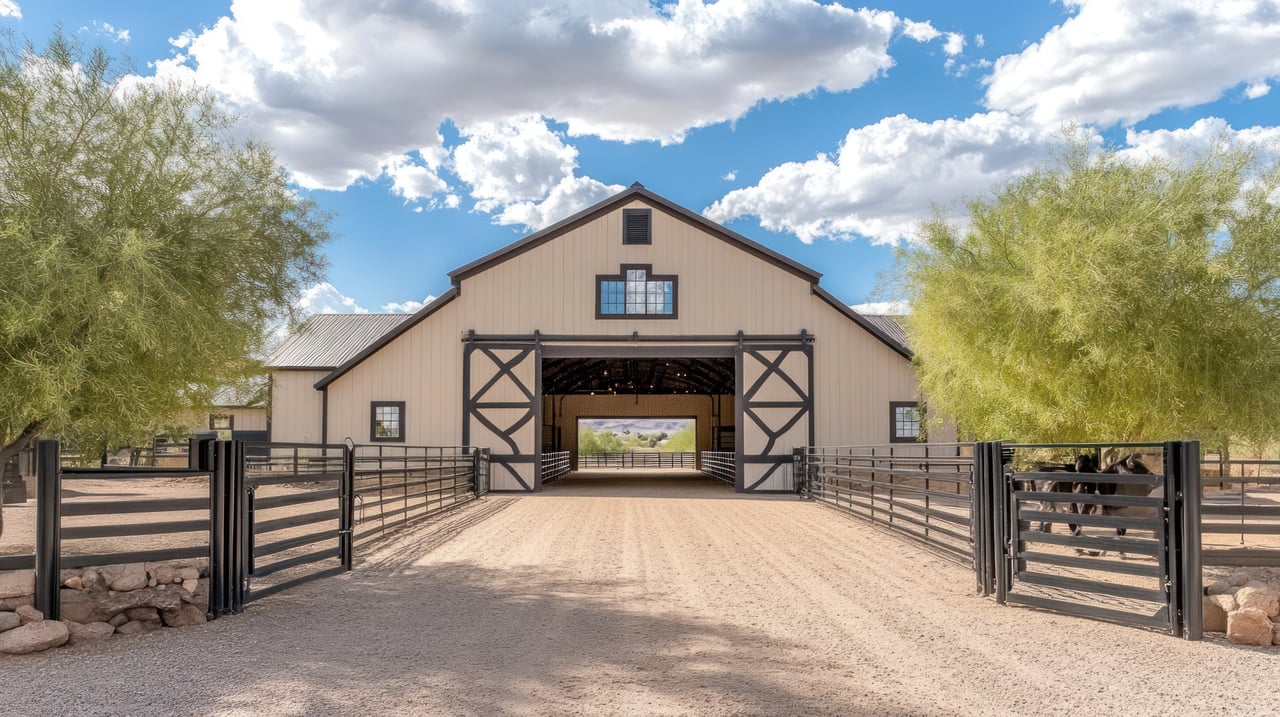
Counties: Calhoun, DeWitt, Goliad, Gonzales, Jackson, Lavaca, Victoria
Anchor cities: Victoria (Victoria County), Cuero (DeWitt County), Gonzales (Gonzales County), Yoakum (Lavaca/DeWitt counties), Edna (Jackson County), Port Lavaca (Calhoun County)
The Golden Crescent sits between San Antonio and the Gulf Coast, occupying the coastal plain transition from the Edwards Plateau to the shoreline. This is one of the most authentically agricultural horse property markets in Texas — working cow horse country where the ranching culture is generational, the properties are functional rather than curated, and buyers are typically serious agricultural operators rather than lifestyle seekers.
Gonzales County and DeWitt County (Cuero) carry significant cattle and horse operation history. The terrain — post oak and mesquite uplands over sandy loam and clay soil — supports improved coastal Bermuda pasture and working facilities that have served agricultural purposes for generations. Cuero has maintained its identity as a working agricultural community regardless of development pressure.
Victoria County is the commercial anchor of the Golden Crescent and provides the professional and medical infrastructure that working ranch buyers need within reasonable range. Victoria County properties range from suburban hobby farms on the city's outskirts to large working cattle and horse operations in the county's rural precincts.
Goliad County carries one of the deepest ranching heritage stories in Texas. The Mission Espíritu Santo — established in the 18th century to develop a cattle industry in Texas — operated in what is now Goliad County. The large ranchos that followed have defined this county's agricultural character for nearly 300 years. Properties here are working operations, not lifestyle projects.
What to know: The Golden Crescent is underappreciated by buyers from the major metro markets who tend to focus on Hill Country aesthetics. For buyers seeking large working ranch properties with genuine agricultural infrastructure at prices below the Hill Country premium, Gonzales, DeWitt, and Goliad counties consistently reward serious buyers who look past the marketing-friendly zip codes.
Counties: Aransas, Bee, Brooks, Duval, Jim Wells, Kenedy, Kleberg, Live Oak, McMullen, Nueces, Refugio, San Patricio
Anchor cities: Corpus Christi (Nueces County), Rockport (Aransas County), Beeville (Bee County), Alice (Jim Wells County), Kingsville (Kleberg County), Three Rivers (Live Oak County)
The Coastal Bend is King Ranch country in the most literal sense. Kleberg and Kenedy counties are home to the King Ranch itself, and the surrounding counties carry the working ranch heritage that the King Ranch helped define: large acreage operations, serious cow horse programs, cattle genetics developed over a century of selective breeding, and the brush country landscape of mesquite, huisache, and prickly pear that defines the southern South Texas plain.
Nueces County (Corpus Christi) provides the urban infrastructure anchor for the Coastal Bend. Corpus Christi's medical and professional community generates demand for horse properties in San Patricio and Aransas counties, which sit within reasonable commuting range and offer coastal and bay country character. Properties in the Rockport-Fulton area (Aransas County) combine Gulf Coast lifestyle with horse-keeping capability, attracting buyers from Houston and San Antonio who want water access alongside their horses.
Kleberg County (Kingsville) and Jim Wells County (Alice) deliver genuine working ranch properties in the brush country. These are operational purchases — buyers who need cattle infrastructure, water well systems capable of serving large livestock operations, and the kind of brush country forage management knowledge that comes from ranching this terrain across multiple drought cycles.
Live Oak County (Three Rivers) and McMullen County represent the sparsely populated working ranch heart of the Coastal Bend. Properties here trade quietly, often between established agricultural families, and rarely reach public real estate portals before they are spoken for.
What to know: The Coastal Bend's climate is South Texas at its most demanding for horse keeping. Summer heat is intense and sustained, Gulf Coast humidity is significant, and hurricane exposure affects the coastal counties. Barn and arena construction must account for both heat management (ventilation, shade) and wind load requirements that inland Texas markets do not face.
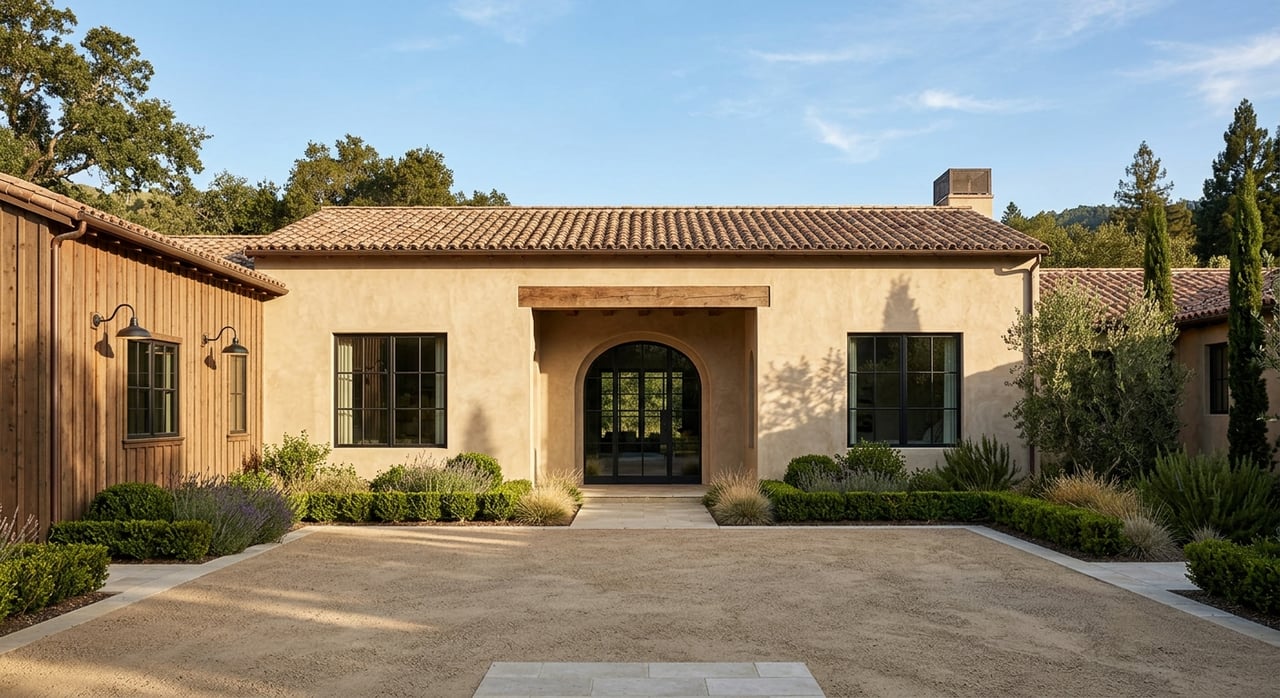
Counties (Middle Rio Grande): Dimmit, Edwards, Kinney, La Salle, Maverick, Real, Uvalde, Val Verde, Zavala
Counties (South Texas Development): Jim Hogg, Starr, Webb, Zapata
Anchor cities: Uvalde (Uvalde County), Del Rio (Val Verde County), Eagle Pass (Maverick County), Carrizo Springs (Dimmit County), Laredo (Webb County), Brackettville (Kinney County), Rocksprings (Edwards County)
The brush country is South Texas at its most austere and most authentic. These 13 counties form the western and southern spine of the region, from the Edwards Plateau breaks of Uvalde and Real counties in the north to the Rio Grande in the south. The landscape is caliche and calcareous clay, heavy black brush (catclaw, cenizo, guajillo, coma, blackbrush acacia), and the kind of open country that makes a 500-acre property feel intimate and a 5,000-acre property feel right-sized.
Uvalde County sits at the northern edge of this zone, where the Edwards Plateau drops into the South Texas plain. The terrain here is more varied than the flat brush country to the south, with cedar and live oak draws, the Frio and Nueces river drainages, and some of the most productive wildlife habitat in Texas. Uvalde has a genuine equestrian community — cutting horses, working cow horses, and ranch horses have been part of this county's agricultural fabric for generations.
Edwards County (Rocksprings) is true Edwards Plateau ranch country: cedar and shinoak cover on limestone terrain, with reliable well water from the Trinity and Edwards aquifers, large working operations, and the kind of remoteness that buyers seeking maximum privacy and land scale actively choose. Properties here run 500 to 50,000 acres and trade slowly through agricultural networks.
Val Verde County (Del Rio) offers the most accessible version of brush country ranch land — direct access via US-90 from San Antonio (2.5 hours), proximity to Amistad Reservoir (water-based recreation), and genuine Rio Grande frontier character. Del Rio has a stable military community (Laughlin Air Force Base) that creates steady rental and purchase demand alongside the ranch market.
Webb County (Laredo) and the Lower South Texas counties (Jim Hogg, Starr, Zapata) are primarily large-acreage working ranch and hunting lease markets. Horse keeping here is functional and working-oriented — no luxury estate market, no show horse community. The buyers are ranchers, hunters, and agricultural investors.
What to know: Water is the defining constraint in the brush country. The aquifer systems serving this zone — primarily the Edwards and Trinity aquifers — are reliable in many areas but require careful well engineering and yield testing. Surface water (ponds, stock tanks, seasonal creeks) is unreliable. Any brush country property purchased for horse keeping must have documented, tested well water at adequate production rate. Drought cycles in South Texas are measured in years, not seasons.
Counties: Cameron, Hidalgo, Willacy
Anchor cities: Brownsville (Cameron County), McAllen (Hidalgo County), Harlingen (Cameron County), Edinburg (Hidalgo County)
The Lower Rio Grande Valley is the most densely populated and most subtropical zone of South Texas. Cameron and Hidalgo counties anchor the McAllen-Brownsville metropolitan area — the most economically dynamic region on the Texas-Mexico border. Horse property activity here exists primarily in the context of working ranchos with cattle and horse operations, and a small but active barrel racing and charreada (Mexican rodeo) community that reflects the region's deep vaquero heritage.
The terrain is flat coastal plain: clay and sandy loam soils, subtropical vegetation (sabal palms, anacua, brasil), and an annual rainfall pattern driven by tropical weather systems. Hurricane exposure is a genuine property consideration — the Valley sits directly in the historical Gulf hurricane corridor, and barn and arena construction must be engineered for wind loads significantly higher than inland Texas standards.
What to know: The Rio Grande Valley operates as a distinct cultural and economic zone, with close ties to northern Mexico and a real estate market driven more by cross-border commercial dynamics than by the agricultural land patterns that define the rest of South Texas. Buyers whose primary driver is equestrian property will typically find better options in the Hill Country fringe, the Golden Crescent, or the Coastal Bend than in the Valley itself.
The South Texas brush country averages 16 to 24 inches of annual rainfall — less than half of what East Texas receives. Periods of multi-year drought are part of the historical climate record, not exceptional events. For any property south of the Hill Country, the first question is water: well production rate (10+ gallons per minute minimum for horse keeping; larger operations need substantially more), aquifer type and reliability, stock tank or surface water as supplemental supply, and the documented history of water availability during the most recent major drought cycle.
Much of South Texas outside the Hill Country limestone zone sits on caliche — a calcium carbonate soil layer that sets like concrete when dry and turns to sticky mud when wet. Caliche creates specific challenges for arena footing and high-traffic turnout: it cannot be used as a footing surface itself, it requires engineered base preparation under any arena, and it creates deep ruts in wet weather that can make barn approaches and driveway surfaces problematic. Properties with existing arenas should be inspected for caliche base issues, particularly in Atascosa, Wilson, Jim Wells, and the brush country counties.
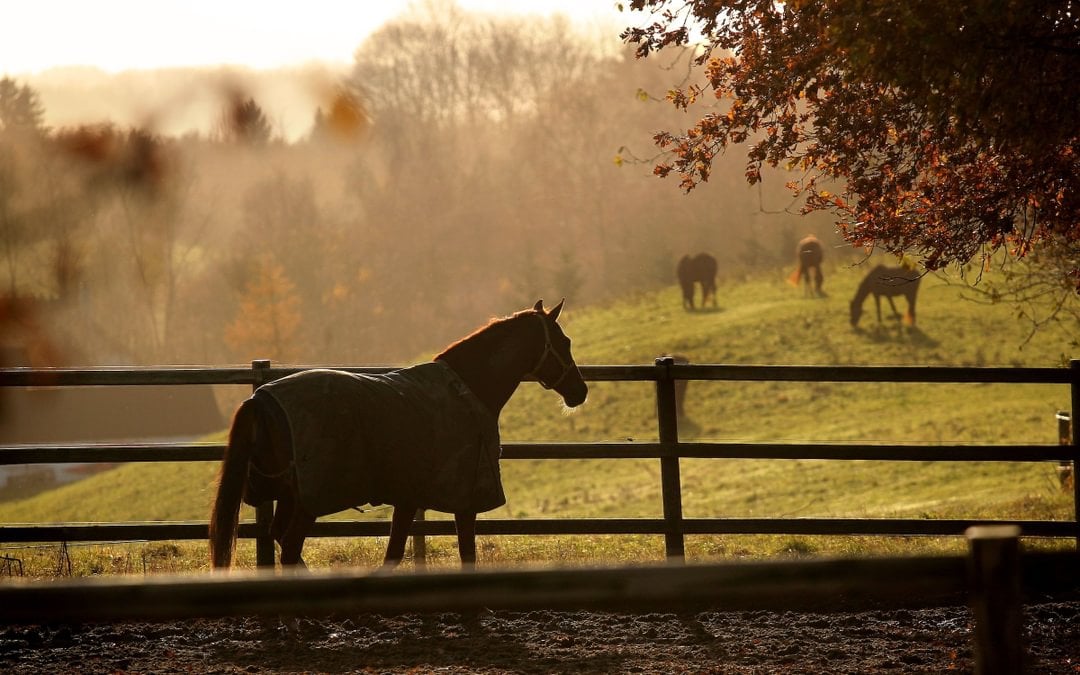
South Texas is one of the premier whitetail deer hunting regions in North America, and hunting lease income — typically structured as annual leases at $10 to $30+ per acre — is a genuine component of ranch economics for properties carrying wildlife management exemptions. If you are purchasing a property with existing hunting leases, understand the lease terms, the lessee relationship, and the compatibility of the hunting operation with horse keeping before closing.
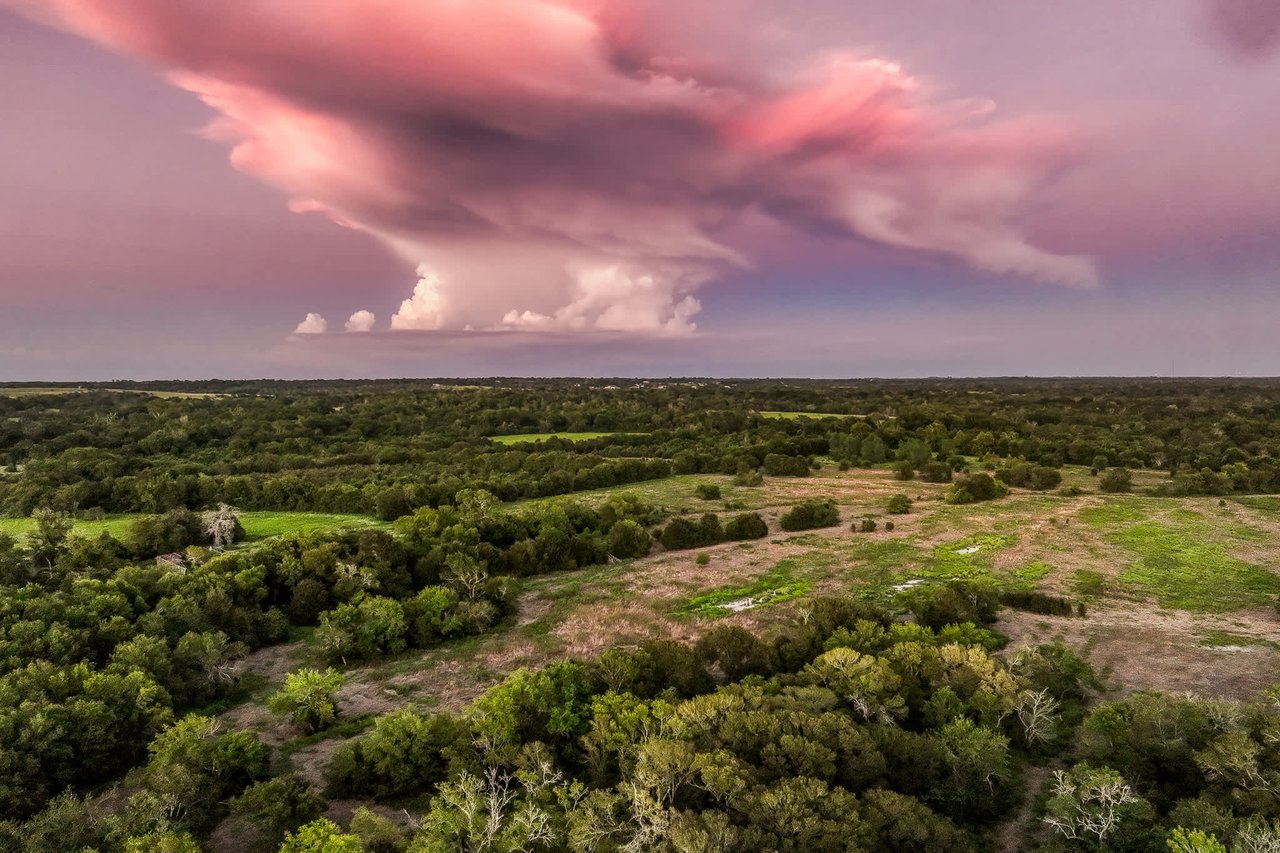
Texas AG exemption in South Texas counties is typically structured around cattle, wildlife management, or hay production. Horse-specific AG exemption qualifications vary by county. Confirm current exemption status, the qualifying agricultural activity, and the rollback tax liability — which can represent years of accumulated tax savings if the exemption lapses after purchase.
South Texas horse properties — particularly working ranch operations in the Hill Country fringe and the brush country — rarely reach the public market before they are spoken for. The ranches that define this region change hands through agricultural networks, established family relationships, and agents who are actively sourcing rather than waiting for listings.
If you are serious about finding your property in Bandera, Kerr, Kendall, Gillespie, Uvalde, Gonzales, DeWitt, Kleberg, or any of the 47 South Texas counties, the conversation starts here.
Call or text Lisa Bricker at (979) 446-5340, email [email protected], or fill out the contact form on this page. Tell Lisa your acreage target, your county preference, your livestock program, and your timeline — and she will start working the network.