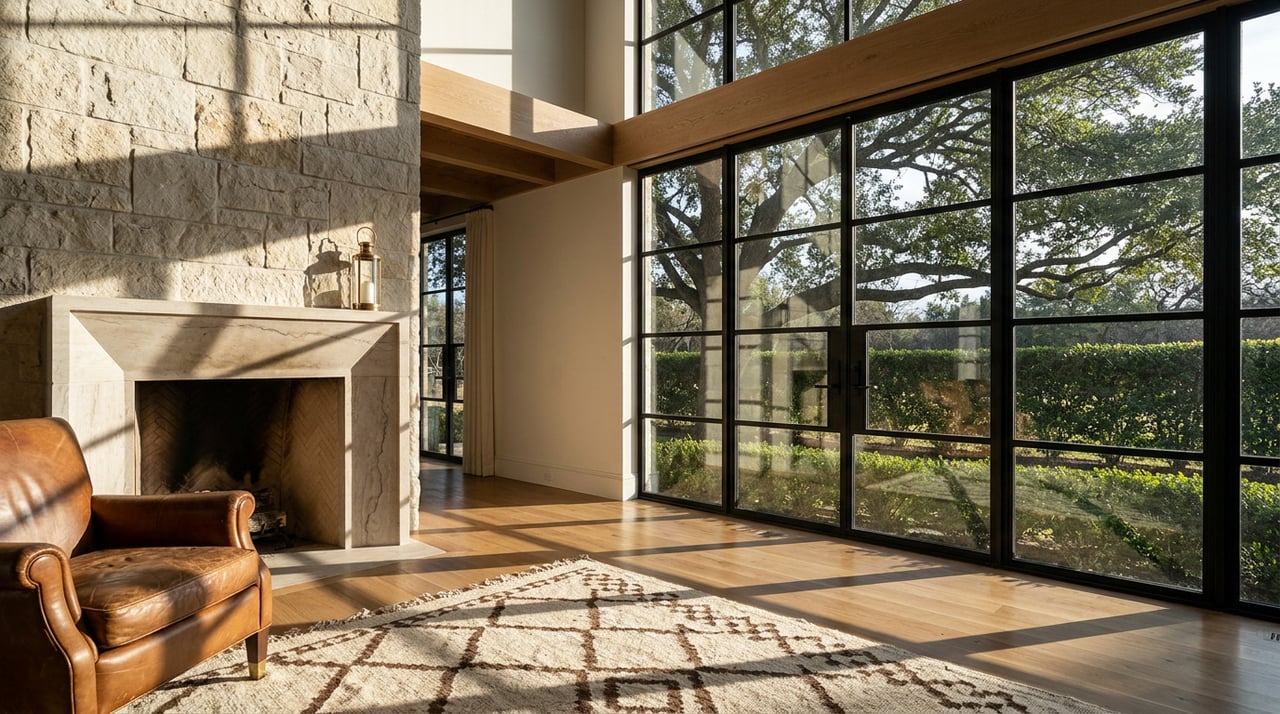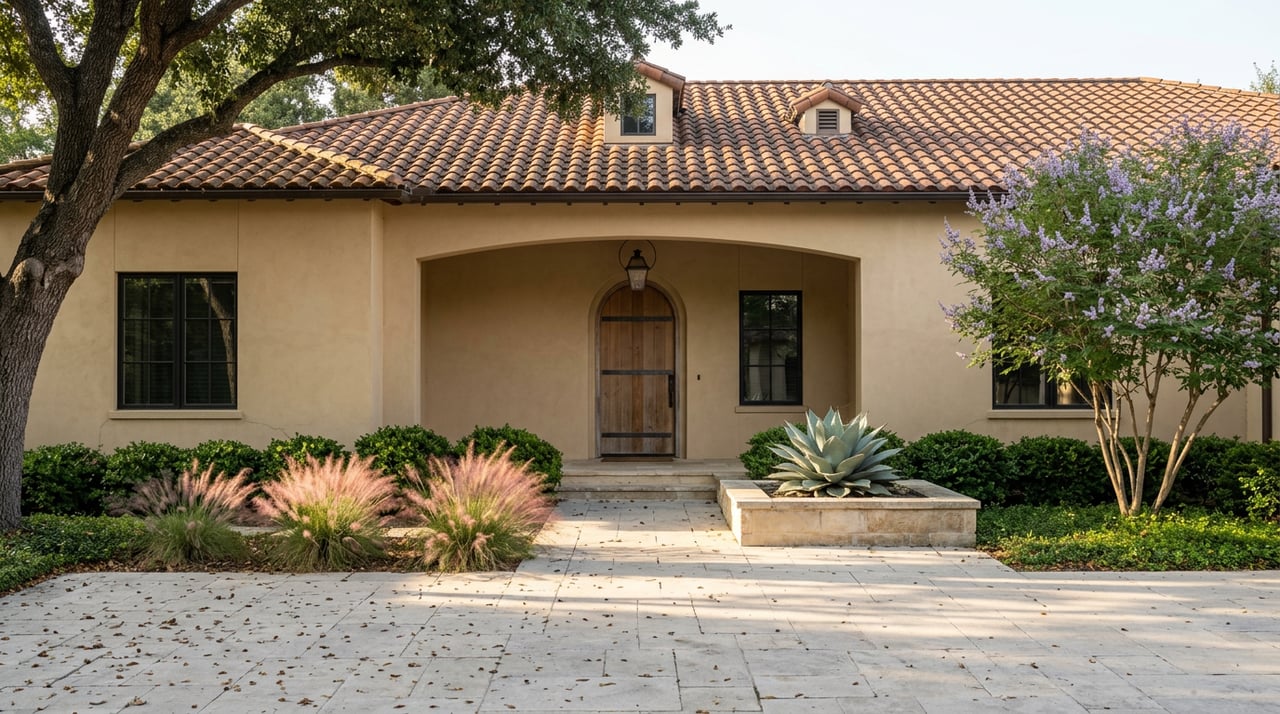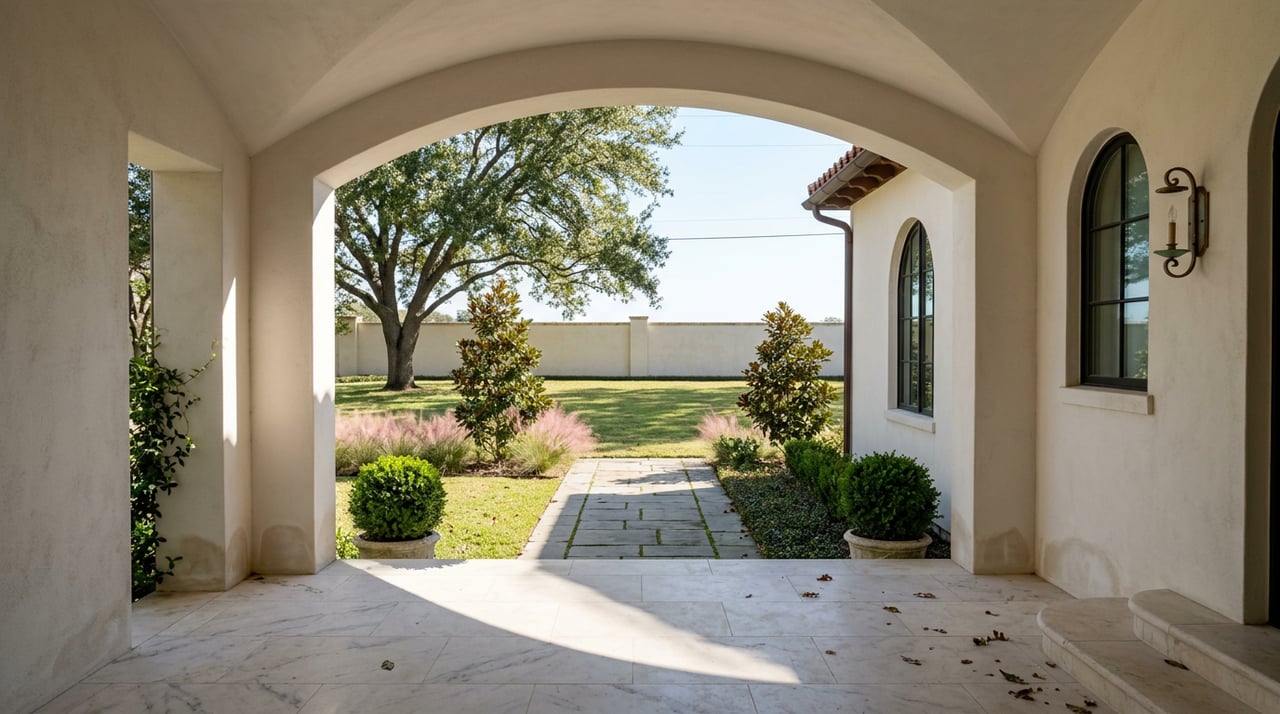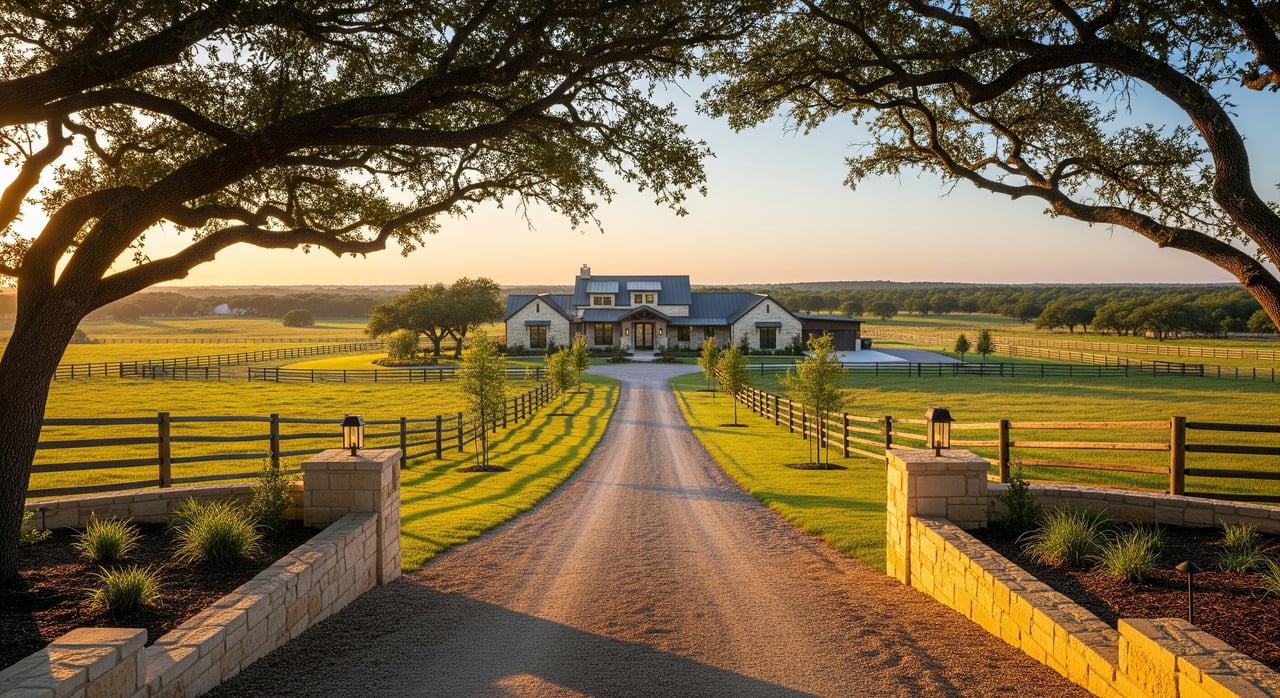
Torn between buying a turnkey ranchette or purchasing raw acreage and building from scratch in Navasota? You are not alone. The choice shapes your budget, timeline, risk, and long-term enjoyment of the land. In this guide, you will learn how each path works in Grimes County, what to verify before you write an offer, and how to position your purchase for future resale. Let’s dive in.
Navasota acreage at a glance
Navasota sits in Grimes County within the Houston–Bryan/College Station region. Buyers here often want a rural lifestyle with room for hobbies or horses while staying within reach of major employment centers. Proximity to highways and nearby towns can influence demand and future resale.
Jurisdiction matters. Parcels may fall inside Navasota city limits, within the extraterritorial jurisdiction, or in unincorporated Grimes County. Location affects utility availability, permitting pathways, and sometimes building standards. Always verify your parcel’s status with the city or county before you proceed.
Option 1: Buy a turnkey ranchette
What you pay for
A turnkey purchase typically includes the home and acreage. Your costs include purchase price, closing costs, inspection and any negotiated repairs, immediate maintenance or land management, property taxes, and insurance. Factor in outbuildings, fencing, and irrigation if present.
Timeline and cash flow
A financed purchase in Texas often closes in about 30 to 60 days, subject to lender, title, and inspections. You can usually take possession and begin using the property shortly after closing once utilities are on. Financing is often simpler than construction lending since most buyers use a standard mortgage.
Risks to review
Look closely at age and condition of major systems. Prioritize septic function, roof condition, HVAC, fencing, driveways, and outbuildings. Confirm any deed restrictions and whether existing improvements comply. Maintenance catch-up can impact your first-year budget.
Option 2: Buy raw land and build
Cost components
Your budget should account for land price and closing costs, surveys and soils or percolation tests, topographic and floodplain checks, site clearing and grading, driveway and culverts, utilities, foundation and house construction, permits and any impact fees, landscaping, builder overhead, contingencies, and interim loan interest if you finance construction. These items add up and vary by site.
Timeline expectations
Plan for 2 to 6 months for planning, design, and permitting. Site prep may take weeks to months. Construction often runs 6 to 12 or more months depending on design and builder. From land purchase to move-in, many projects span 9 to 18 or more months.
Hidden costs that surprise buyers
Several items frequently exceed expectations:
- Septic systems vary widely in cost based on soil and system type.
- Wells depend on depth and groundwater conditions.
- Electric line extensions can be modest if a pole is nearby, or significantly more for long runs and new equipment.
- Driveways and culverts can be a large expense on longer or low-lying approaches.
- Clearing, grading, and erosion control can escalate on treed, rocky, or wet sites.
These ranges are general and require local installer quotes before you commit.
Financing complexity
Raw land loans usually require larger down payments, higher rates, and shorter terms than standard mortgages. Construction loans fund your build in draws, require builder approval, inspections, and strong budgeting. Many borrowers need 20 percent or more equity for construction lending, and the loan typically converts or refinances to a permanent mortgage at completion. Confirm your lender path before you write an offer.
Utilities and site checks in Grimes County
Water and wastewater
Outside municipal service areas, most acreage relies on on-site wells and septic systems. Septic feasibility depends on soil percolation and must be permitted by the local authority. Some sites require engineered systems that cost more and take more time. Inside city service areas, confirm connection availability and fees for water and sewer.
Power and energy
Verify the presence of overhead or underground electric service and ask the local electric cooperative about line extension policies and fees. Many rural properties do not have natural gas. Propane or electric HVAC are common alternatives.
Soils, flood, and wetlands
Soil type influences septic options and foundation design. Use a soils test or mapping resources to understand your site. Check FEMA flood maps and any local floodplain guidance. If the property lies in a flood zone, you may face elevation requirements, different insurance, and resale considerations. Wetlands and standing water can reduce buildable area and add regulatory steps.
Access, easements, and roads
Confirm recorded legal access to a public road or a valid access easement. Determine who maintains the road, whether county, private owners, or an HOA. Review utility easements that could limit building envelopes, fencing, or future improvements.
Deed restrictions and minerals
Deed restrictions can control use, structures, setbacks, and minimum sizes. Platted subdivisions often carry covenants while raw acreage may be less restricted, but may also have fewer services. In Texas, mineral rights are sometimes severed. Title review should identify mineral reservations that may allow surface activity by mineral owners.
Permits and inspections
Inside city limits, follow city building permits and inspections. In unincorporated Grimes County, county permitting applies and septic and well permits are handled by the authorized local program. Review times can affect your timeline, so build that into your schedule.
Financing and carrying costs
Turnkey mortgage options
Most move-in ready ranchettes can be financed with a conventional or portfolio mortgage if the home meets lender standards. FHA, VA, or conventional options may apply based on property condition and your plans for occupancy.
Land and construction lending
Land loans often require 20 to 50 percent down, carry higher interest, and have shorter terms. Construction loans fund the build in stages and require approved plans, a qualified builder, inspections, contingencies, and reserves. After construction, the loan converts or is refinanced to a permanent mortgage.
Carrying costs and risk
Property taxes rise as you improve land, so expect higher assessments after you build. Insurance for rural properties can include homeowners, wind and hail, and coverage for outbuildings, wells, and septic. Raw acreage needs ongoing land management, fencing upkeep, and security planning. Account for the opportunity cost of funds tied up in land and interim construction interest. Common budget risks include difficult soils, higher septic costs, deeper wells, longer utility extensions, and permitting delays.
Resale outlook in Navasota
Turnkey ranchette appeal
Move-in ready acreage often attracts the widest buyer pool. Buyers value immediate use and predictable near-term costs. The tradeoff is that style, layout, or systems may be dated relative to current preferences.
Custom home on raw land
A well-executed custom build can draw buyers who want personalization and modern systems. The buyer pool can be narrower in the short term, and site limitations such as floodplain, a lengthy access road, or challenging septic can reduce marketability.
Improvements that support value
Functional fencing, usable paddocks, a reliable driveway, documented utilities, clean septic records, and native, low-maintenance landscaping help resale. Avoid over-improving finishes beyond what the local market will support.
Decision framework: which path fits you?
Use these four variables to guide your choice:
- Timeline: If you need to live on the property soon, a turnkey ranchette is usually the better fit. If you can wait 9 to 18 or more months, building is an option.
- Budget and financing capacity: If you want simpler financing and lower up-front cash, buying an existing home is often safer. Building typically requires more equity and tolerance for cost swings.
- Project management tolerance: If you prefer predictable steps and fewer moving parts, buy turnkey. If you enjoy design decisions and can manage a longer process with inspections and draws, building can be rewarding.
- Intended use: If you plan to keep horses or start a hobby operation right away, an existing setup can save time. If you want a specific barn layout, arena, or energy-efficient home, building may serve you better.
Due diligence checklist for Navasota acreage
- Confirm jurisdiction with the City of Navasota or Grimes County, since service and permitting depend on location.
- Request recorded deeds, plats, restrictive covenants, and any HOA documents from the Grimes County Clerk.
- Obtain a recent survey or include a survey contingency. Verify recorded legal access to the property.
- Ask the seller for utility details, including water source, septic system type and last service date, electric provider, and any paid utility extensions.
- Order soils and percolation testing if septic or large structures are planned, or make your contract contingent on satisfactory results.
- Review FEMA flood maps and local floodplain information. Get elevation and flood zone data for the parcel.
- Contact the local electric cooperative about line extension costs and timing. Seek ballpark quotes from well drillers and septic installers based on the site.
- Have the title company search for mineral reservations and liens, and consider owner’s title insurance.
- For new builds, secure preliminary quotes from two or three local builders and a site-prep contractor before you commit.
- Pre-qualify with lenders for the correct product, whether conventional mortgage, land loan, or construction loan.
- Estimate carrying costs, including taxes, insurance, and any interim construction interest during your build timeline.
- Verify road maintenance responsibilities and confirm reliable access during wet weather seasons.
How Lisa Bricker helps
Choosing between buying and building on acreage is not one-size-fits-all. You benefit from clear, local guidance and a network of trusted resources. As a boutique advisor focused on equestrian, farm and ranch, and luxury country properties across the Texas Triangle, Lisa aligns your goals with the realities of Grimes County.
You can expect hands-on advice about land systems and usability, introductions to local well, septic, and electric providers for site-specific quotes, and a strategy that aligns financing capacity, timeline, and risk with your desired lifestyle. Lisa also brings market visibility and premium marketing partnerships for clients who plan to resell later.
Ready to compare specific properties and map your path with confidence? Connect with Lisa Bricker for a focused consultation.
FAQs
What affects well and septic costs in Grimes County?
- Costs vary based on soil type, septic system design and size, groundwater depth, and distance to utilities. Always get site-specific quotes from local installers before you commit.
How long does it take to build near Navasota?
- Planning, design, and permitting often take 2 to 6 months, and construction frequently runs 6 to 12 or more months. Many projects span 9 to 18 or more months from land purchase to move-in.
Can I use USDA loans to buy in Grimes County?
- Some areas may be eligible for USDA Rural Development programs based on location and household income. Program rules and maps change, so confirm eligibility with a lender early.
What should I check about mineral rights on acreage?
- In Texas, minerals may be severed from the surface estate. Ask the title company to search for mineral reservations and review how they could affect surface use and long-term plans.
Are ranchettes inside Navasota city limits easier to permit?
- City parcels follow city permitting and may have access to municipal utilities, while county parcels follow county processes and often require well and septic. Verify jurisdiction and service availability before you proceed.