Dreaming of room to roam, a few good pastures, and an easy drive to Houston or Aggieland? Navasota offers that mix of rural freedom and access that many buyers want but struggle to find closer to the big cities. If you are considering a ranchette, horse property, or recreational tract, you will want clear guidance on land types, water, taxes, and the steps that protect your investment.
In this guide, you will learn what is selling around Navasota in Grimes County, what truly drives value, how financing and agricultural valuation work, and the due diligence that smart buyers never skip. You will also see how Navasota compares to nearby Central Texas options so you can choose with confidence. Let’s dive in.
Why Navasota works for land buyers
Navasota sits in southern Grimes County on the Houston–College Station corridor, so you get a rural setting with highway access to larger job and service centers. That location places it within the broader Texas Triangle pattern, which supports steady demand from commuters, second‑home owners, equestrian buyers, and lifestyle ranch seekers.
Buyers are drawn by relative affordability compared to counties right next to Austin or the closest Houston suburbs. The area also offers a healthy supply of small ranchettes, plus mid‑sized and larger tracts for cattle and recreation. Many buyers come from Houston and Bryan–College Station, while retirees and hobby farmers round out the mix.
What you’ll find on the market
Inventory around Navasota ranges from improved equestrian farms to unimproved pasture and timber.
Small ranchettes: 5–50 acres
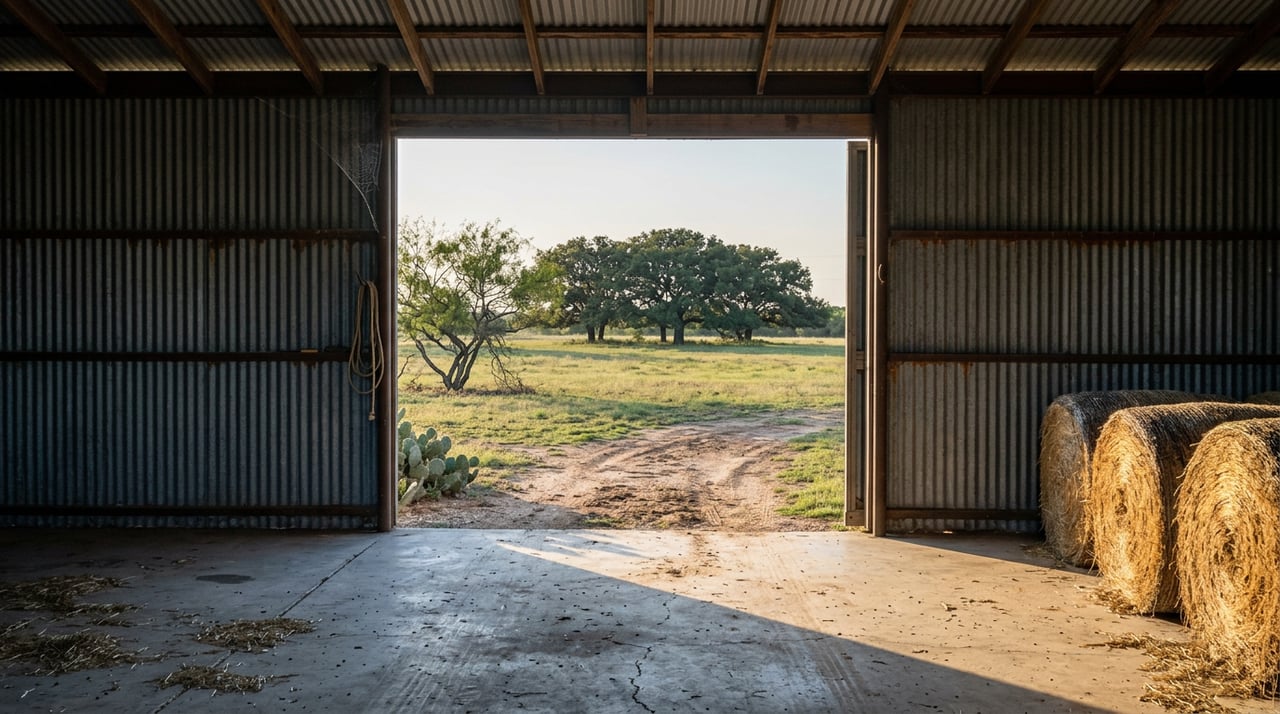
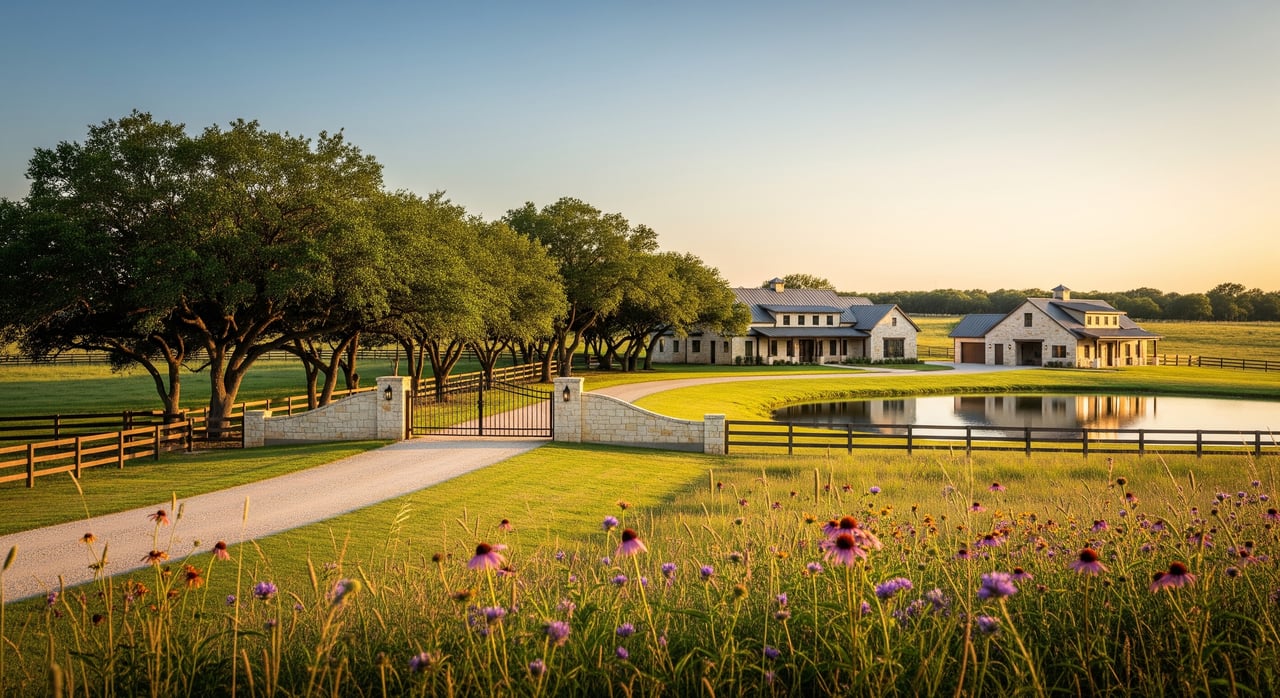
These often feature barns, arenas, fenced paddocks, and a modest home or build site. If you plan to keep horses at home, focus on water reliability, usable pasture, and safe fencing. Many buyers also prioritize paved frontage for easier daily access and better resale.
Mid‑sized and large tracts
Recreational and cattle tracts from 50 to 500 acres are common, with some larger ranches over 500 acres still present in the county. These properties may offer a mix of pasture, timber, and potential for ponds or existing water features.
Typical land uses
- Equestrian facilities with arenas, barns, and turnouts
- Cattle grazing and hay production, including coastal bermudagrass
- Recreational and hunting uses, with whitetail deer and feral hogs common
Land features that affect everyday use
Soils and topography
The area transitions between Post Oak Savannah and Blackland Prairie, so soils vary from productive pasture to heavier clays. Soil type affects hay yield, arena footing, and septic feasibility. Topography is generally gently rolling to flat, which makes development simpler than in hillier Central Texas counties.
Water and wells
Ponds and groundwater wells are common, and parcels near the Navasota River or its tributaries may have riparian features. Well yield can vary by location, so plan on a pump test if you need reliable water for horses or livestock. Confirm floodplain status and pond catchment to understand drought resilience.
Access and utilities
Paved road frontage and clear deeded access typically improve usability and resale potential. Confirm available electricity and broadband if you work remotely or plan to power barn systems. Bringing utilities to a remote parcel can add costs, so include this in your budget.
What drives value and price
Pricing around Navasota depends on location, improvements, water, and access. Unimproved pasture generally trades at a lower per‑acre rate, while improved equestrian and ranchette properties command premiums. Proximity to major highways and developed corridors can lift values.
Key value drivers include:
- Improvements such as barns, arenas, stalls, and safe fencing
- Water security, including reliable wells and ponds
- Paved frontage and straightforward access
- Utilities and broadband for modern living and barn operations
- Mineral rights conveyance, or lack of conveyance
- Floodplain, wetlands, and easements that limit usable acreage
For current county comparisons and per‑acre trends, buyers often review regional market commentary and recent sales data. Localized appreciation has been stronger around the Texas Triangle and near expanding metro areas.
Financing and taxes in Grimes County
Rural land financing usually differs from a typical suburban home loan. Many lenders require larger down payments, often 20 to 30 percent or more, and may use portfolio or agricultural loan products. If you plan to build a primary residence, you might use residential programs for the home, and separate or blended financing for the land and improvements.
Property taxes are based on local appraised values and tax rates. An agricultural or open‑space valuation, sometimes called 1‑d‑1, can reduce taxes if the land meets ongoing agricultural productivity requirements. Keeping horses for pleasure typically does not qualify. If this valuation is important to your plan, speak with the local appraisal office or a tax advisor before you purchase.
Smart due diligence for equestrian and ranch buyers
Protect your investment with a thorough checklist before you close. Priorities include:
- Current survey, boundary confirmation, and deeded legal access
- Title review for mineral rights, easements, undivided interests, and leases
- Water diligence, including well logs, pump yield tests, pond history, and floodplain checks
- Utility availability and broadband options for both home and barn systems
- Soil and drainage review for septic feasibility and arena footing
- Fencing quality, paddock layout, and cross‑fencing condition
- County rules that affect livestock, waste management, and commercial equestrian activity
- Environmental history if the property had prior industrial or disposal uses
- Existing hunting leases, conservation easements, or right‑of‑way agreements
How Navasota compares nearby
- Relative affordability: Often a lower cost of entry than counties immediately adjacent to Austin or the closest Houston suburbs, with higher prices near major highways.
- Accessibility: Shorter trips to Houston and Bryan–College Station than many interior rural counties, which supports both commuting and weekend use.
- Inventory profile: A strong supply of smaller ranchettes and lifestyle acreage, which is ideal for first‑time ranchette and equestrian buyers.
- Services: You may need to source certain equestrian specialty contractors or trainers from nearby regional hubs.
Budgeting beyond the purchase price
Build a realistic operating budget so your property works for the long haul. Consider:
- Property taxes with or without agricultural valuation
- Fencing upgrades and ongoing pasture management
- Hay, feed, and safe storage
- Utilities and potential costs to extend power or improve broadband
- Road and driveway maintenance on longer private frontages
Buyer strategy: match land to your plan
Start with how you will use the land in the next 3 to 5 years, then work backward. For daily horse care, prioritize reliable water, usable fenced acreage, and supportive soils for arenas and turnout. For recreational or hunting goals, focus on habitat quality, water sources, and access.
Ask these questions as you tour properties:
- How many usable acres are there versus total acres?
- Are mineral rights conveyed or reserved?
- Does the property have documented well yield or pond capacity?
- Is any part of the land in a floodplain or under conservation restrictions?
- Is the property enrolled in any agricultural or conservation programs?
Work with a specialist who lives the lifestyle
Buying land is different from buying a house in town. You want an advisor who understands barns and arenas as well as surveys and mineral reservations. With authentic equine experience and a focus on farm, ranch, and luxury country properties across the Texas Triangle, you get practical, hands‑on guidance plus elevated marketing and networked resources when you need them.
Ready to explore Navasota and Grimes County acreage with confidence? Schedule a consultation with Lisa Bricker to refine your search, vet the details, and secure the right property for your goals.
FAQs
Will a 5–20 acre property qualify for agricultural valuation in Grimes County?
- It depends on documented agricultural productivity; hobby horse keeping typically does not qualify unless it meets local standards for commercial agricultural use.
How reliable is water for horses and livestock around Navasota?
- Reliability varies by parcel; review well logs, perform a pump test, and confirm pond sources and catchment to ensure adequate supply.
Are mineral rights usually included with land sales?
- Not always; many Texas sales reserve or sever mineral rights, so verify conveyance through the title commitment.
What fencing is safest and most practical for horses?
- Many buyers prefer smooth board, quality vinyl, or woven wire with proper posts; inspect condition and plan for repairs or upgrades.
Do I need permits for barns or guest houses in Grimes County?
- County rules apply for building and septic; confirm requirements for outbuildings, guest homes, and commercial equestrian use before you build.
Can the land generate income while I plan improvements?
- Some owners use hunting or agricultural leases, or enroll in conservation programs; terms and eligibility vary by property and program.