If you wait until the bluebonnets are fading, you may miss one of the best chances to make your Chappell Hill horse property stand out. Selling this kind of property is not just about acreage and a pretty front gate. You need to show buyers how the land works, how the horse setup functions, and how the paperwork supports the value. If you want to move from pasture to pending with less friction, timing and preparation matter. Let’s dive in.
Why timing matters in Chappell Hill
Chappell Hill is well known for its spring wildflower season and community events. Visit Brenham notes that the town draws thousands of visitors in spring and fall, and the Chappell Hill Historical Society lists the 2026 Bluebonnet Festival for April 11-12, 2026.
For sellers, that creates both opportunity and a planning challenge. Spring can deliver beautiful photography and strong first impressions, but it can also bring more traffic, parking concerns, and privacy issues around photo shoots, drone work, and showings.
Bluebonnet timing also has a shorter window than many owners expect. Texas Highways says bluebonnets typically bloom in late March or early April, depending on weather, and Visit Brenham’s Wildflower Watch reported on April 14, 2026 that the season had already wound down.
That means your best listing window is often before or during early bloom season, not after it. If your marketing plan depends on peak spring scenery, you want to be ready before the color starts to fade.
Market the horse system, not just the land
Horse-property buyers usually look past surface beauty quickly. They want to know whether the layout supports daily horse care, safety, movement, and land management.
According to Texas A&M AgriLife, horse health is closely tied to space, movement, footing, fencing, arenas, storage, and veterinary areas. AgriLife also notes that crowded spaces, limited movement, and inefficient layouts can increase stress, costs, and safety risks.
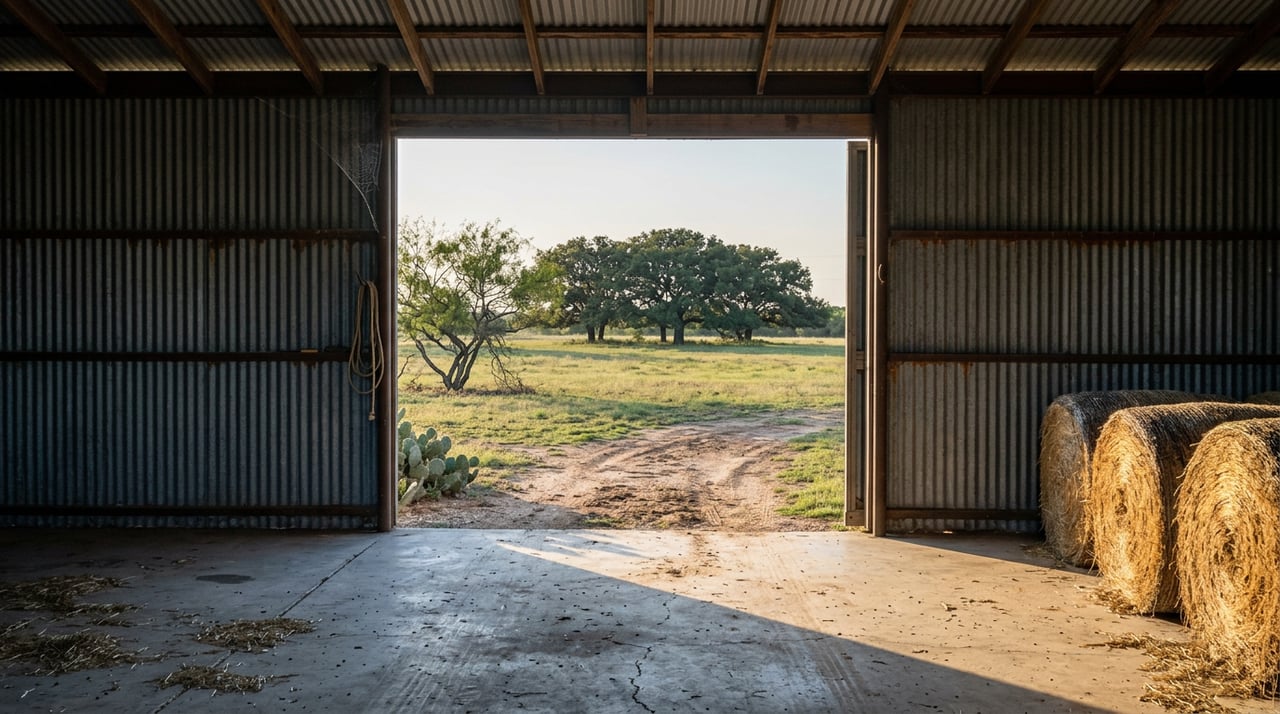
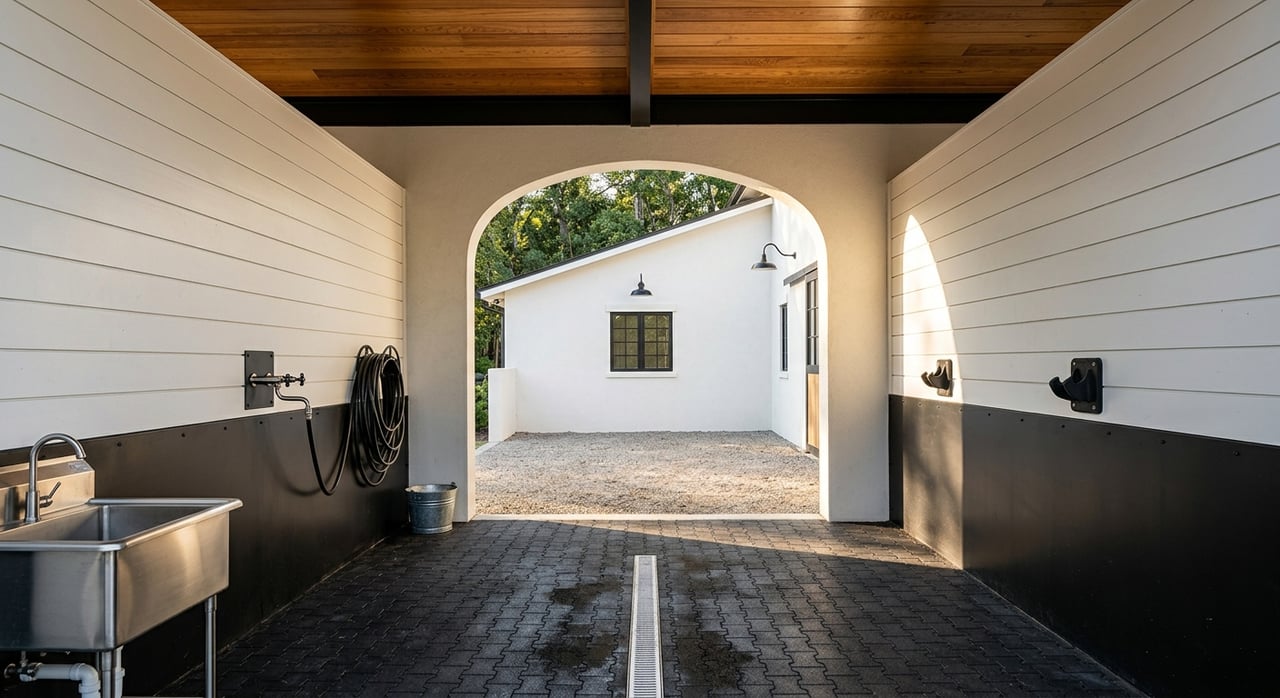
That is why your listing should present the property as a complete, functional system. Buyers should be able to see how horses move through the property, where feed and tack are stored, how water is accessed, and whether the arena and barn areas appear usable and well maintained.
What buyers want to see
Before your property goes live, focus on the features that communicate function clearly:
- Clean, easy-to-read gate lines
- Safe-looking fencing and turnouts
- Visible water access in pasture and barn areas
- Tidy feed, hay, and tack storage
- Arena footing that appears maintained and usable
- Barn aisles with clear circulation and minimal clutter
- Loafing sheds, stalls, and work areas that look orderly
These details help buyers picture everyday use. They also support your asking price more effectively than lifestyle photos alone.
Show stewardship in the pastures
A strong Chappell Hill horse-property listing should also tell a land story. Buyers are often asking whether the acreage has been cared for in a practical, sustainable way.
Texas A&M AgriLife’s grazing stewardship guidance highlights the importance of water, fencing, land inventories, grazing strategies, and record keeping. Its waterway guidance also emphasizes limiting runoff, sediment loss, and water-quality issues.
In listing terms, that means pasture presentation matters. Mowed entrances help, but buyers will often respond even better when they can see thoughtful drainage, maintained fences, and signs that the land has been actively managed.
Stewardship details that add confidence
Consider gathering simple, practical proof of care, such as:
- Grazing or haying records
- Fence repair history
- Pasture rotation notes
- Water system maintenance records
- Basic land or improvement inventories
- Notes on drainage or erosion control work
You do not need to overwhelm buyers with paperwork. A clean, organized property file can go a long way toward building confidence.
Get your documentation ready early
Horse-property sales often slow down when sellers scramble to answer basic questions late in the process. The smoother path is to build your documentation package before the listing launches.
If the property includes a previously occupied residence, the TREC Seller’s Disclosure Notice is required and addresses material facts and the home’s physical condition. TREC also reminds buyers through its Notice to Prospective Buyer to have the abstract reviewed by an attorney or obtain title insurance.
For many Chappell Hill properties, the house is only part of the story. Buyers also want quick, clear answers about barns, fencing, wells, septic systems, flood exposure, and tax treatment.
Key documents to organize
A strong seller file may include:
- Seller’s disclosure for the residence, if required
- Basic improvement list for barns, sheds, arena, fencing, and other structures
- Well information, such as drilling details, depth, and casing, if available
- Septic permits or approved plans, if available
- Flood map information from the official FEMA source
- Title-related documents requested by your title company or attorney
- Ag-use records that support current tax treatment
Having these items ready does not just save time. It also shows buyers that the property has been managed with care and transparency.
Clarify agricultural valuation status
For rural buyers, taxes are often part of the buying decision. If your Chappell Hill horse property benefits from agricultural valuation, that topic needs to be handled clearly and carefully.
The Washington County Appraisal District says agricultural-use valuation requires a history of ag use for at least five of the past seven years, plus current use at an intensity level common for the area. The filing period is January 1 through April 30, and owners must be able to document the ag-use history.
The same source notes that a change to non-ag use can trigger rollback taxes for the previous three years. The Texas Comptroller also explains that qualifying farm and ranch land is appraised on productivity value rather than market value.
How to discuss ag valuation with buyers
When marketing the property, be ready to explain:
- Whether the land is currently under agricultural valuation
- What type of use supports that status
- How long the land has been in qualifying use
- What records exist to support the history
- That future qualification depends on the buyer’s use and applicable rules
This is one of the most common buyer questions, and clear records can prevent confusion later.
Inventory every improvement
On horse properties, value is often spread across many different improvements. If you do not inventory them upfront, buyers may miss what they are really seeing.
Washington County Appraisal District notes that tax notices separate land and improvements, and that improvements include buildings or structures attached to the land. For a horse property, that can include barns, stalls, loafing sheds, arenas, cross-fencing, and other attached structures.
A simple improvement sheet can help your marketing and your negotiations. It gives buyers a cleaner picture of what is included and makes it easier to answer questions during due diligence.
Build an improvement sheet
Include practical facts such as:
| Improvement | Helpful details to include |
|---|---|
| Barn | Approximate age, size, materials, updates |
| Arena | Type, footing, dimensions, maintenance |
| Fencing | Type, approximate length, repair history |
| Stalls or sheds | Count, condition, materials |
| Water systems | Troughs, lines, hydrants, access points |
This does not need to be flashy. It just needs to be accurate, organized, and easy to understand.
Address wells, septic, and flood early
Rural transactions often hinge on infrastructure questions. If you can answer those questions before they become objections, you give your sale a better chance of staying on track.
The Texas Commission on Environmental Quality recommends gathering as much well information as possible, including the original owner, date drilled, driller, depth, and casing. TCEQ also notes that on-site sewage facilities such as septic systems require a permit and approved plan to construct, alter, repair, extend, or operate.
For flood information, FEMA’s Flood Map Service Center is the official source, and FEMA notes that flood risk can change over time. Even if a property is not in the highest-risk zone, buyers may still want to understand mapping and insurance implications.
Questions to answer before listing
Try to have clear responses to these common buyer questions:
- Is there well documentation available?
- Is the septic system permitted, and are records available?
- Are there known flood-map considerations?
- Are water and utility systems functional for current use?
- Are there title issues likely to affect closing?
When sellers can answer these questions early, buyers tend to move forward with more confidence.
Plan spring photos and showings carefully
In Chappell Hill, spring can be one of your strongest marketing seasons, but it requires planning. You want the scenery to work for you without letting festival traffic or visitor activity disrupt the listing experience.
Because Chappell Hill draws seasonal visitors, it helps to schedule photography, video, and drone work with the local calendar in mind. It also helps to think through access, parking, and privacy, especially if your property fronts a scenic route or sits near high-interest wildflower areas.
A better spring listing approach
For many sellers, the best strategy looks like this:
- Prepare the horse facilities and documentation in late winter.
- Schedule media before or during early bloom season.
- Launch while the property still shows seasonal color.
- Stay flexible around local event traffic and showing logistics.
This approach keeps the property looking timely and reduces the risk of missing the visual window that buyers expect.
The goal: confidence, clarity, and a clean story
The best Chappell Hill horse-property listings do more than look pretty online. They show buyers a property that functions well, has been cared for responsibly, and comes with the documentation needed to support a smoother transaction.
That is especially important for equestrian and acreage buyers, who tend to look closely at layout, land use, carrying costs, and infrastructure. When your listing combines strong presentation with clear records and smart timing, you give buyers fewer reasons to hesitate.
If you are thinking about selling your horse property in Chappell Hill, working with a specialist who understands equine facilities, acreage systems, and high-level marketing can make a meaningful difference. When you are ready to position your property with strategy and precision, connect with Lisa Bricker.
FAQs
What is the best time to list a horse property in Chappell Hill?
- For many sellers, the strongest visual window is before or during early bluebonnet season, since sources indicate blooms often peak in late March or early April and may be fading by mid-April.
What documents should sellers gather for a Chappell Hill horse property listing?
- Sellers should organize residence disclosure documents if required, improvement inventories, ag-use records, and any available well, septic, flood, and title-related information.
What do buyers care about most on a horse property in Chappell Hill?
- Buyers commonly focus on whether the horse facilities function well, what improvements are included, whether the land supports current use, and whether tax, water, septic, flood, or title issues could affect closing.
How does agricultural valuation affect a horse property sale in Washington County?
- Agricultural valuation can affect carrying costs significantly, and sellers should be ready to explain current status, qualifying use history, and the possibility of rollback taxes if use changes.
How should a seller prepare horse facilities before listing in Chappell Hill?
- Sellers should present the property as a working horse system by improving cleanliness, circulation, footing visibility, fencing appearance, water access, and overall organization in barns, arenas, and turnouts.