If you want your Bellville ranch to stand out, timing matters more than many sellers realize. You are not just listing acreage. You are presenting pasture condition, access, improvements, and a lifestyle that buyers need to understand quickly. The good news is that with the right prep and launch window, you can make a stronger first impression and position your property for maximum impact. Let’s dive in.
Why timing matters for a Bellville ranch
Bellville sits in Austin County, an area with deep agricultural roots. The county had 1,930 farms and 258,883 acres in farms in the 2022 Census of Agriculture, with pastureland playing a major role and livestock making up much of agricultural sales. That local context matters because ranch buyers are often looking closely at usable land, access, and how the property functions in real life.
Unlike a standard suburban home, a ranch changes with the seasons in ways buyers can see right away. Grass cover, water features, road conditions, and overall curb appeal can look very different from one month to the next. When you list at the right time, your photos, showings, and online presentation have a better chance to reflect the property at its best.
Best time to list a Bellville ranch
For most sellers, the strongest listing window is late February through May. A secondary window is late September through early November. These timing windows line up well with both market seasonality and Bellville-area weather patterns.
Spring tends to be active for real estate, and nearby climate normals support that timing. Average highs rise from 74.8°F in March to 80.8°F in April and 87.5°F in May, which can make property tours more comfortable and help buyers spend more time exploring the land. That matters on a ranch, where the showing experience often includes gates, trails, pastures, barns, and water features.
Rainfall also plays a role. The nearby Columbus area averages 3.77 inches of rain in April, 4.78 inches in May, and 5.11 inches in June, and Texas A&M AgriLife notes that rainfall is the most important determinant of forage production. In simple terms, greener pasture and healthier-looking land can make your property more attractive during the spring listing season.
Why spring often creates the strongest first impression
A ranch listing usually lives online first. Buyers often decide whether to visit based on photos, video, maps, and property details before they ever set foot on the land. If your property looks green, open, and well maintained, your online presentation can do much more of the heavy lifting.
This is especially important because many ranch buyers are evaluating more than beauty alone. They want to understand usable acreage, fencing, road access, water, facilities, and how the property may support horses, livestock, or recreational use. Spring can help those features show more clearly and more favorably.
Early fall can still be a smart second chance
If you miss the spring window, early fall can still work very well. Late September through early November offers a useful backup period for sellers who need more time to prepare the property or organize documents.
By October, average highs ease to around 70.6°F in the nearby climate data. That cooler weather can make tours easier on buyers and sellers alike. If your ranch has been maintained through summer, early fall can offer a cleaner, more comfortable showing season without the extreme heat of midsummer.
The challenge of listing in midsummer
Sometimes waiting is not an option, and that is okay. You can still sell in summer, but you should go in with clear expectations about the tradeoffs.
The main issue is presentation and comfort. Temperatures climb into the mid-to-upper 90s in July and August, which can make long property tours harder and can affect how fresh the land appears in photos. If you list during midsummer, your marketing has to work harder, and your showing plan needs to be especially thoughtful.
What to prepare 6 to 12 months before listing
The best ranch launches usually start long before the sign goes up. If you want to list for maximum impact, early preparation gives you more control over both presentation and timing.
Texas A&M AgriLife notes that grazeable acreage depends on factors like brush density, rock cover, slope, water, forage species, and accessibility. It also says that brush control, better access, and added water sources can increase grazeable acreage. For you as a seller, that means the months before listing are a good time to improve how the land functions and how it is perceived.
Focus on these high-value prep items early:
- Map usable acreage
- Evaluate water sources and access routes
- Tackle brush cleanup
- Improve roads where needed
- Repair or replace gates
- Address fence issues
- Review barns and other facilities for visible maintenance items
These steps can make the property easier to understand and easier to market. They also help support more accurate property maps and fact sheets when it is time to launch.
What to do 60 to 90 days before listing
As your listing window gets closer, paperwork becomes just as important as appearance. Austin County Appraisal District provides agricultural and wildlife-management resources, and it notes that AG and homestead applications can take 4 to 6 weeks to process.
That timeline matters because buyers often want a clear picture of the property’s records and status. Before marketing begins, it helps to gather tax documents, exemption records, and any AG or wildlife-related files so you are not scrambling once interest picks up.
This is also the right time to organize the core details buyers often ask about, including:
- Access points
- Roads and driveways
- Gates and fencing
- Barns and outbuildings
- Water features or sources
- General acreage use and layout
What to do 30 to 60 days before going live
This is when your ranch starts becoming a public-facing product, not just a private property. Every visual and every detail should support a strong first impression.
Professional photos, drone footage, and property maps matter here. A ranch is hard to understand from a few simple images, so quality visuals and a clear layout can help buyers grasp scale, improvements, and land use before scheduling a showing.
According to NAR buyer survey data, 66% of internet-searching buyers found photos very useful, 65% found detailed property information very useful, 33% found virtual tours very useful, and 21% found videos very useful. For a Bellville ranch, that supports a premium marketing approach rather than a basic launch with minimal detail.
Marketing assets that matter most
When you list a Bellville ranch, your marketing should help buyers answer practical questions fast. It should also capture the lifestyle and long-term value of the property in a way that feels polished and trustworthy.
The most effective marketing package often includes:
- Professional still photography
- Drone imagery
- A property map with key improvements
- A detailed acreage and facilities sheet
- Clear notes on access, roads, gates, fencing, barns, and water
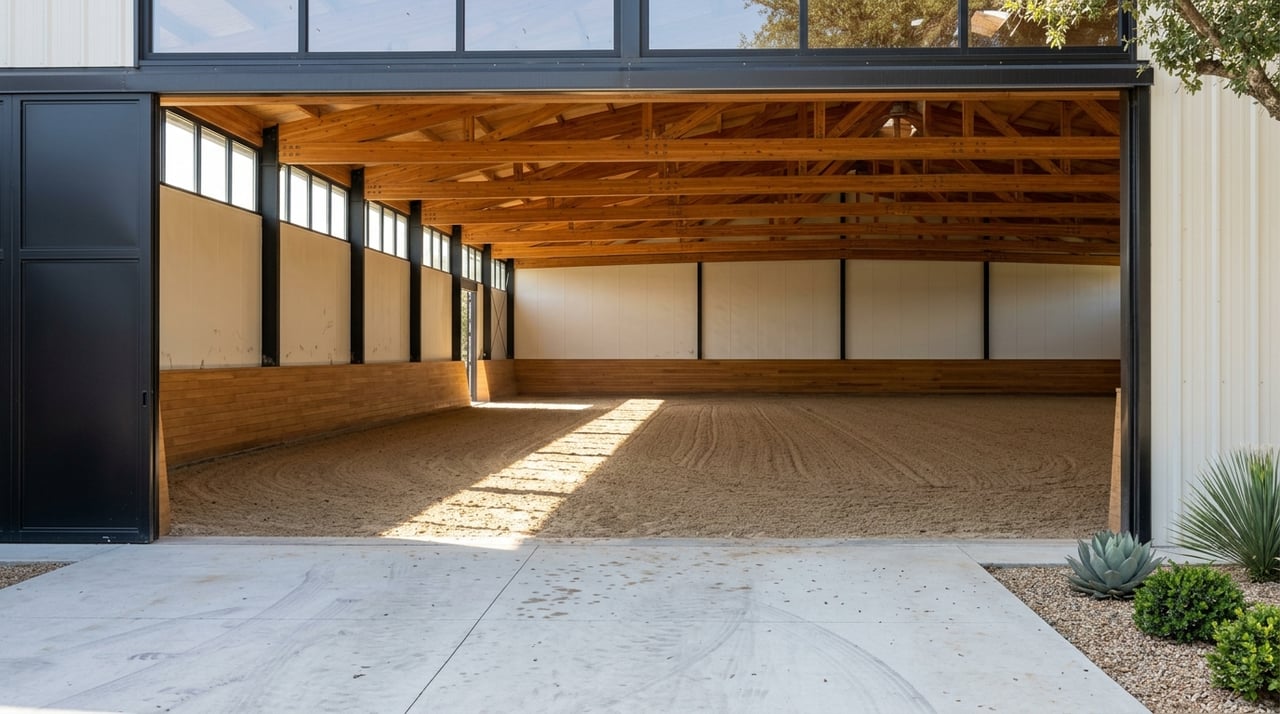
For horse properties or ranches with equestrian appeal, this level of detail becomes even more important. Buyers often want to understand how the land is laid out and whether the facilities appear functional, usable, and thoughtfully maintained.
Features worth highlighting early
Not every ranch buyer wants the same thing, but many respond quickly to features tied to usability and long-term value. That is why your listing should highlight the property’s most practical strengths from day one.
Useful features to emphasize may include:
- Usable outdoor areas
- Views
- Water features or water access
- Horse amenities
- Accessibility across the property
- Improvements that support day-to-day use
The key is not to overwhelm buyers with noise. It is to present the right details in a clean, organized way so they can see the property’s value clearly.
A simple Bellville ranch listing timeline
If you want a clear roadmap, this is a practical way to think about your timeline:
| Timeline | Priority |
|---|---|
| 6 to 12 months out | Map usable acreage, assess water and access, begin brush, road, gate, and fence work |
| 60 to 90 days out | Organize tax records and AG or wildlife paperwork |
| 30 to 60 days out | Schedule photography, drone work, and property mapping |
| Late February to May | Aim for the primary listing window |
| Late September to early November | Use the secondary listing window if spring is missed |
The bottom line for Bellville sellers
If your goal is maximum impact, the best time to list your Bellville ranch is usually in spring, especially late February through May. If that window is not realistic, early fall is often the next best option. In both cases, the earlier you start preparing, the more likely you are to benefit from better presentation, more useful marketing assets, and a smoother launch.
Selling a ranch is rarely just about picking a date. It is about matching the season, the property condition, and the marketing plan so buyers can see the land at its best. If you want expert guidance on timing, preparation, and premium ranch marketing, connect with Lisa Bricker.
FAQs
When is the best month to list a Bellville ranch?
- For many Bellville ranch sellers, the strongest window is late February through May, when weather and pasture appearance often support a better first impression.
Is fall a good time to sell a ranch in Bellville?
- Yes. Late September through early November can be a strong secondary window, especially if you miss spring or need extra time to prepare the property.
What should Bellville ranch sellers fix before listing?
- Focus on practical items that affect usability and presentation, such as brush, roads, gates, fences, access points, barns, and other visible facilities.
How early should Bellville ranch sellers prepare AG paperwork?
- A good target is 60 to 90 days before listing, since Austin County Appraisal District notes that some applications can take 4 to 6 weeks to process.
What marketing helps a Bellville ranch stand out online?
- Professional photos, drone imagery, detailed property information, improvement maps, and a clear acreage and facilities sheet can all help buyers understand the property faster.